
Jerome Powell Concludes Tenure at Federal Reserve, Emphasizes Institutional Independence
Washington D.C. – Jerome Powell concluded his six-year tenure as Chair of the Federal Reserve on Wednesday, April 29, 2026, reaffirming the importance of the institution’s independence amidst increasing political scrutiny. The Federal Reserve’s Federal Open Market Committee (FOMC) held interest rates steady for the third consecutive meeting, maintaining the federal funds rate in a target range of 3.50% to 3.75%. Powell’s departure comes as the U.S. Economy navigates persistent inflation, fueled in part by rising energy costs linked to ongoing geopolitical tensions in the Middle East, and as his successor, Kevin Warsh, awaits Senate confirmation.
:max_bytes(150000):strip_icc()/DonaldTrump-977a6dad59e34debb7a6ab3c92328510.jpg "Economy President Donald Trump")
In a press conference following the FOMC meeting, Powell underscored his confidence in the Federal Reserve’s ability to operate with “objectivity, integrity, and a deep commitment to serving the American people.” This statement comes as the central bank faces unprecedented levels of criticism and political pressure, particularly from former President Donald Trump, who has repeatedly attacked Powell and the Fed’s policies. Powell acknowledged these attacks, noting they represent some of the most severe faced by a Fed chair in the institution’s over 110-year history. The outgoing chair expressed optimism that Warsh understands the importance of maintaining the Fed’s independence, referencing Warsh’s strong statements on the matter during his Senate Banking Committee hearing.
Interest Rate Pause Amidst Economic Uncertainty
The decision to hold interest rates steady reflects a complex economic landscape. While consumer spending has remained resilient, the U.S. Economy remains vulnerable to price volatility, particularly in the energy sector. The continued pause in rate hikes signals a cautious approach as the FOMC assesses the impact of previous monetary policy tightening on the broader economy.
However, the decision was not unanimous. Four of the twelve members of the Federal Open Market Committee opposed the pause, while three supported it but did not indicate a predisposition towards future rate cuts. This internal division within the Fed represents a notable shift in sentiment, marking the first instance of four dissenting votes on monetary policy decisions since October 1992, and potentially foreshadowing a change in course with Warsh’s leadership. The dissent highlights the challenges Warsh will face in forging consensus within the committee.
Political Pressure and the Incoming Chair
The transition to Kevin Warsh’s leadership is occurring against a backdrop of intense political pressure. Former President Trump has publicly called for the Federal Reserve to lower interest rates to stimulate economic growth, a demand that Warsh is expected to resist. Powell’s remarks suggest he believes Warsh is prepared to defend the Fed’s independence from political interference. The Senate’s vote on Warsh’s confirmation remains a crucial step, and all eyes will be on his actions as he navigates the delicate balance between economic policy and political expectations.

The incoming chair faces a challenging task. Beyond the political pressures, Warsh will demand to address the internal divisions within the FOMC and steer the central bank through a period of economic uncertainty. The ongoing conflict in the Middle East and its impact on energy prices, coupled with persistent inflationary pressures, will require careful consideration and a nuanced approach to monetary policy. The effectiveness of Warsh’s leadership will be closely watched by financial markets and policymakers around the globe.
Powell’s Legacy and the Future of the Federal Reserve
Jerome Powell’s six years as chair of the Federal Reserve were marked by significant challenges, including the COVID-19 pandemic, unprecedented economic stimulus measures, and a surge in inflation. He navigated these turbulent times by implementing a series of aggressive interest rate hikes aimed at curbing inflation, a strategy that has drawn both praise, and criticism. His commitment to maintaining the Fed’s independence, even in the face of intense political pressure, will likely be remembered as a defining characteristic of his tenure.
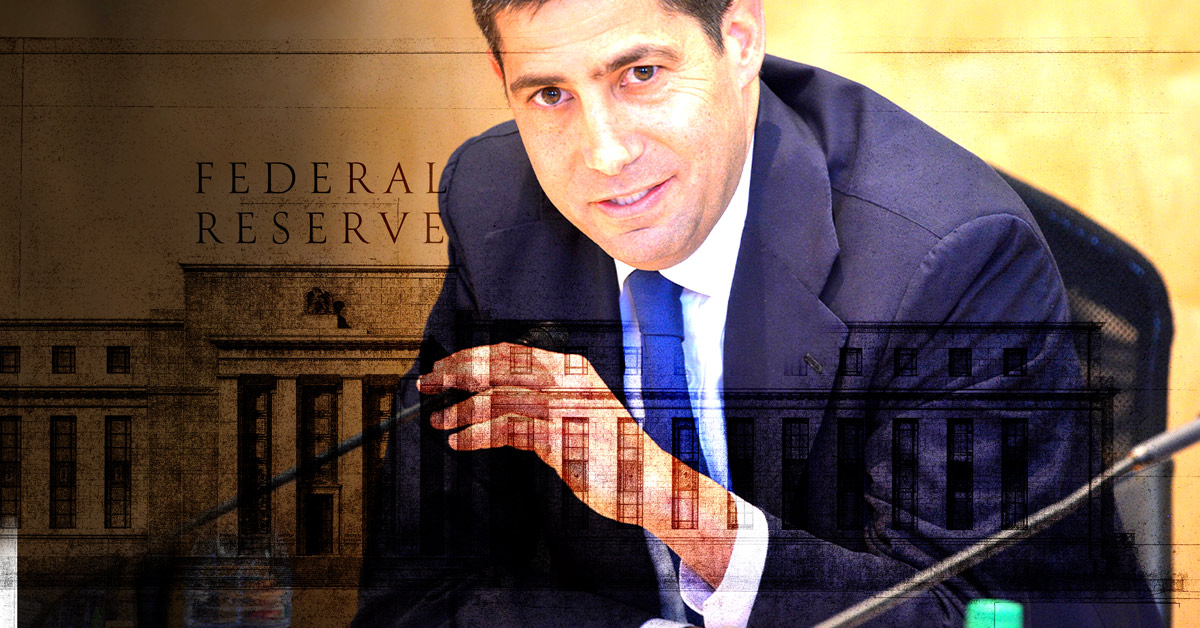
As Powell departs, the Federal Reserve stands at a critical juncture. The incoming chair, Kevin Warsh, will inherit a complex economic landscape and a politically charged environment. The ability of the Federal Reserve to maintain its independence and effectively manage monetary policy will be crucial for ensuring the stability and prosperity of the U.S. Economy in the years to come. The next FOMC meeting, scheduled for June 10-11, 2026, will be closely watched for early indications of Warsh’s policy direction.
The Federal Reserve’s commitment to price stability and full employment remains paramount. Warsh’s success will depend on his ability to build consensus within the FOMC, navigate political pressures, and respond effectively to evolving economic conditions. The future of the Federal Reserve, and the U.S. Economy, hinges on his leadership.
The Senate is expected to vote on Kevin Warsh’s confirmation as the next Federal Reserve Chair in early May 2026. Further updates on the confirmation process and the Federal Reserve’s monetary policy decisions can be found on the Federal Reserve Board’s website: https://www.federalreserve.gov/.
What are your thoughts on the future of the Federal Reserve? Share your comments below and join the conversation.
Related reading