
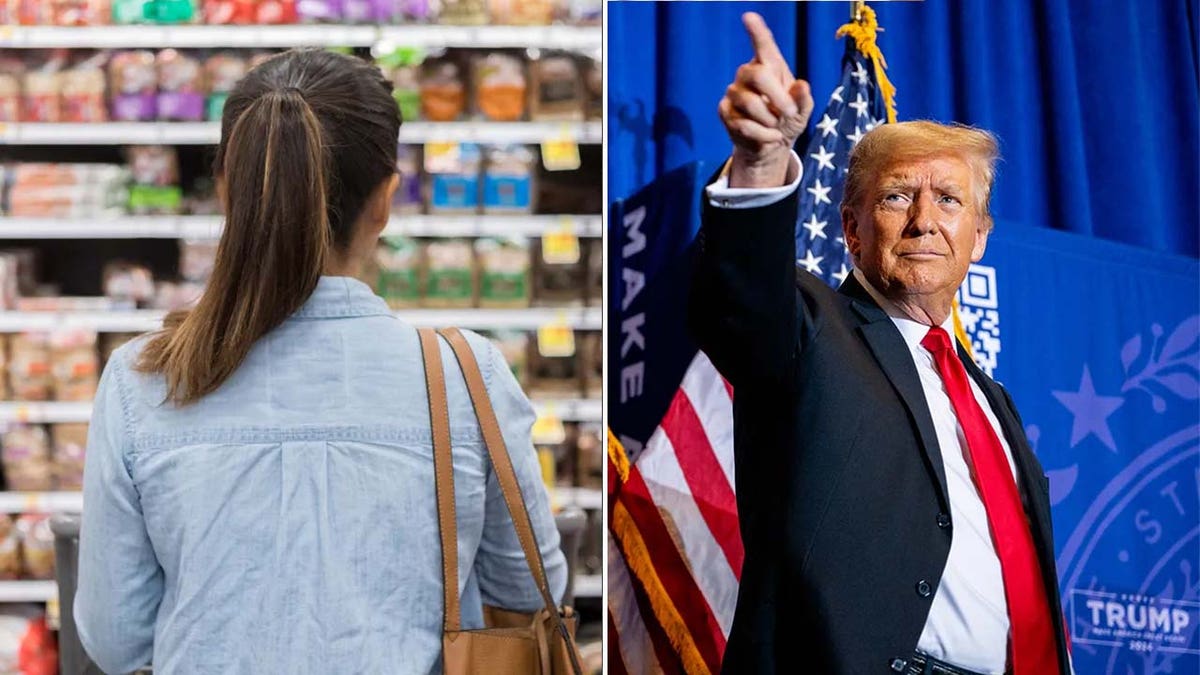
Union voters are increasingly expressing dissatisfaction with both Donald Trump and the Democratic Party, citing persistent concerns over the cost of living and stagnant wage growth. Recent polling data indicates that while organized labor has traditionally leaned toward Democratic candidates, economic anxiety—specifically regarding inflation and consumer prices—is creating a volatile environment for both major political parties as the election cycle progresses.
According to data from the U.S. Bureau of Labor Statistics, while headline inflation rates have moderated from their 2022 peaks, the cumulative impact of price increases on essential goods remains a primary driver of voter sentiment. This shift reflects a broader trend where rank-and-file union members are prioritizing kitchen-table economic issues over traditional partisan alignments, leaving both the Biden-Harris administration and the Trump campaign struggling to secure a reliable base of support.
Economic Pressure and the Shifting Labor Vote
The core of the current discontent among union households stems from the gap between nominal wage increases and the rising cost of goods and services. While the Economic Policy Institute notes that nominal wage growth has remained elevated, many workers report that these gains have been largely offset by the cost of housing, fuel, and groceries. For many industrial and service-sector workers, the political discourse on national economic health does not align with their personal financial reality.
Donald Trump has attempted to capitalize on this frustration by highlighting the economic conditions of his term, specifically focusing on energy independence and deregulation. However, internal polling suggests that many union voters remain skeptical of his past policies regarding the National Labor Relations Board (NLRB). Under the Trump administration, the National Labor Relations Board saw significant shifts in appointments that many labor leaders argued were detrimental to collective bargaining rights.
Policy Divergence and Voter Skepticism
Democratic candidates continue to emphasize the benefits of the Inflation Reduction Act and recent investments in domestic manufacturing. Despite these legislative efforts, the messaging has faced challenges in penetrating the concerns of voters who remain focused on immediate price stability. The disconnect between government-touted economic indicators—such as record-low unemployment rates—and the lived experience of inflation has created an opening for both parties to lose ground with this critical voting bloc.
The Trump campaign’s focus on protectionist trade policies, including proposed tariffs, is viewed with mixed reactions within the labor movement. While some unions support the protection of domestic industries from foreign competition, others express concern that such measures could trigger retaliatory trade actions that might ultimately harm export-dependent manufacturing jobs. This complexity makes the labor vote less monolithic than it has been in previous decades, forcing candidates to tailor their platforms to specific sub-sectors of the workforce.
The Role of Institutional Endorsements
Institutional endorsements from major unions, such as the AFL-CIO or the Teamsters, carry significant weight, but their ability to sway individual voter behavior is no longer guaranteed. Historically, union leadership has aligned with the Democratic platform, but recent cycles have shown a marked increase in members splitting their tickets or expressing indifference toward national party politics. Political analysts note that the rise of social media and independent information channels has decentralized the influence of traditional union leadership.
As the campaign season enters its next phase, both parties are expected to focus heavily on the Rust Belt and other industrial hubs where union density remains a factor in state-wide contests. The success of these outreach efforts will likely depend on the ability of each campaign to provide concrete, verifiable plans for curbing long-term inflation. The Federal Reserve’s upcoming policy meetings and subsequent interest rate decisions will serve as a critical backdrop for these discussions, as they directly influence the cost of borrowing for households and the broader trajectory of the national economy.
Voters can monitor official economic updates and policy proposals through the White House Briefing Room and the official campaign resources provided by candidates. As the political landscape continues to evolve, the impact of these economic pressures on union households will likely remain a central theme of the national conversation. Readers are encouraged to engage with the discourse and share their perspectives on how these economic policies are affecting their specific industries and communities.