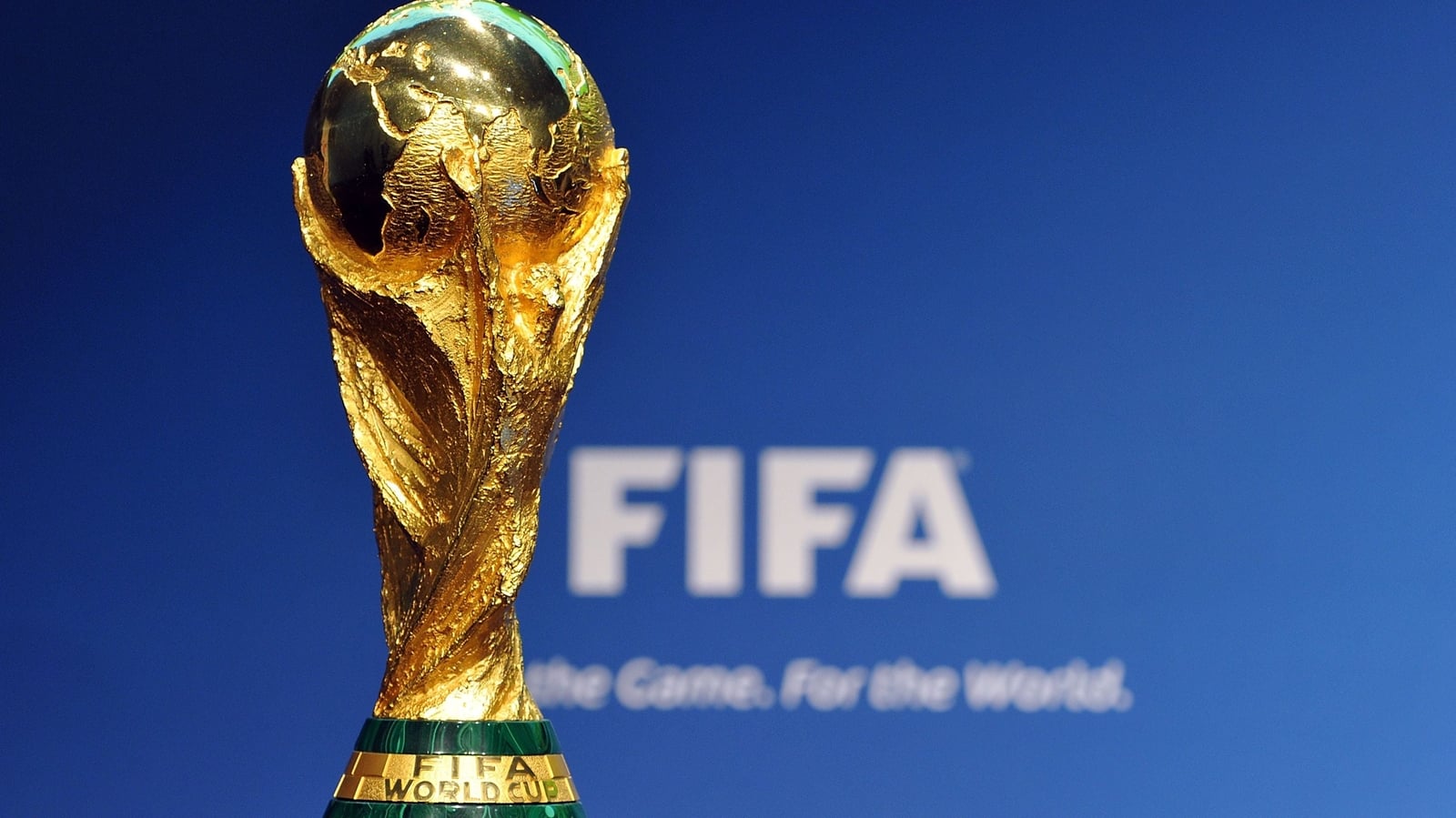
FIFA is set to raise the prize money for the 2026 World Cup following concerns from several national associations about the high operational costs associated with hosting the expanded tournament across North America. The decision comes after months of dialogue between football’s governing body and member nations, particularly from Europe, who warned they could face financial losses despite strong performances due to increased travel, accommodation, and tax expenses in the United States, Canada, and Mexico.
The move aims to address worries that even teams reaching the later stages of the competition might complete up out of pocket, a scenario that could undermine the sporting integrity of the event. FIFA has confirmed it is in discussions to increase both the financial contributions to qualified teams and the development funding distributed to all 211 member associations through its FIFA Forward programme.
According to reports from verified sports news outlets, the FIFA Council is expected to approve an enhanced funding package at its meeting in Vancouver on Tuesday, 28 April 2026. A FIFA spokesperson told the Press Association: “Ahead of a FIFA Council meeting in Vancouver, Canada, on 28 April 2026, FIFA can confirm it is in discussions with associations around the world to increase available revenues. This includes a proposed increase of financial contributions to all qualified teams for the FIFA World Cup 2026 and of development funding available to all 211 member associations.”
The spokesperson added: “The FIFA World Cup 2026 will be groundbreaking in terms of its financial contribution to the global football community and FIFA is proud to be in its strongest ever financial position to benefit the global game through its FIFA Forward programme. Subject to discussions, further details will be provided in due course.”
In December 2025, FIFA had already approved record prize money of $727 million (approximately €620 million) to be split among the 48 finalists, with each participating team guaranteed a minimum of $10.5 million and the champions set to receive $50 million. However, following feedback from national associations, particularly in Europe, FIFA acknowledged that despite this record pot, concerns remained about the disproportionate cost burden for teams traveling to North America compared to the previous edition in Qatar.
Beyond prize money, the development funding allocated to all FIFA member associations is also set to increase. Originally projected at $2.7 billion over the next four-year cycle, these payments — which include $5 million per national association and $60 million for each of the six confederations — will now be raised to support grassroots football and infrastructure projects worldwide.
The expanded 48-team format for the 2026 World Cup, the first to be hosted by three nations, has significantly increased logistical demands. Matches will be held across 16 cities in the United States, Canada, and Mexico, with the final scheduled for 19 July 2026 at MetLife Stadium in East Rutherford, New Jersey. The geographic spread, even as intended to grow the game’s reach, has led to higher operational costs for participating federations, especially those based in Europe and Africa.
National associations had initially raised alarms in February 2026, citing internal projections that even semifinal appearances might not cover expenses due to fluctuating exchange rates, visa processing fees, and elevated hotel and transportation costs in major U.S. Markets like New York, Los Angeles, and Toronto. FIFA’s response reflects an effort to maintain equitable access to the tournament’s financial benefits, ensuring that competitive success is not offset by financial strain.
The FIFA Forward programme, which reinvests a portion of World Cup revenues into global football development, will see its distribution mechanism adjusted as part of the broader funding increase. This ensures that smaller footballing nations continue to receive support for youth academies, coaching education, and facility upgrades, aligning with FIFA’s long-term goal of narrowing the resource gap between established and emerging football powers.
As the Vancouver council meeting approaches, stakeholders await official confirmation of the exact figures for both the increased prize pool and the revised development allocations. No official vote has taken place as of the latest reports, but the consensus among football administrators points toward a unanimous endorsement of the proposed enhancements.
For ongoing updates on the FIFA Council’s decisions and the financial structure of the 2026 World Cup, readers are encouraged to consult FIFA’s official communications channels and verified sports news platforms.
What are your thoughts on FIFA’s decision to increase World Cup prize money in response to operational cost concerns? Share your perspective in the comments below and support preserve the conversation going.
Related reading