Berlin, Germany – A recent resurgence of yellow fever is raising concerns across Latin America, with Venezuela now reporting a confirmed outbreak. As of March 5, 2026, health authorities and medical organizations have identified at least 29 cases of yellow fever within the country, tragically resulting in two deaths. The situation is prompting calls for increased vaccination efforts and a more rapid response from government officials, as experts warn that Venezuela is particularly vulnerable given its ecological conditions and existing public health challenges.
The confirmation of these cases comes after months of alerts from the Pan American Health Organization (PAHO) regarding a growing risk of yellow fever transmission throughout the region. PAHO initially flagged a significant outbreak potential as early as May 2025, with cases already emerging in Brazil, Ecuador, and Costa Rica. Venezuela, a country where yellow fever is considered endemic, appears to be experiencing a delayed but concerning impact from this regional trend. The delay in official acknowledgement from the Venezuelan Ministry of Health, only addressing the situation approximately a week prior to recent reports, has drawn criticism from the National Academy of Medicine.
Understanding Yellow Fever: Transmission, Symptoms, and Severity
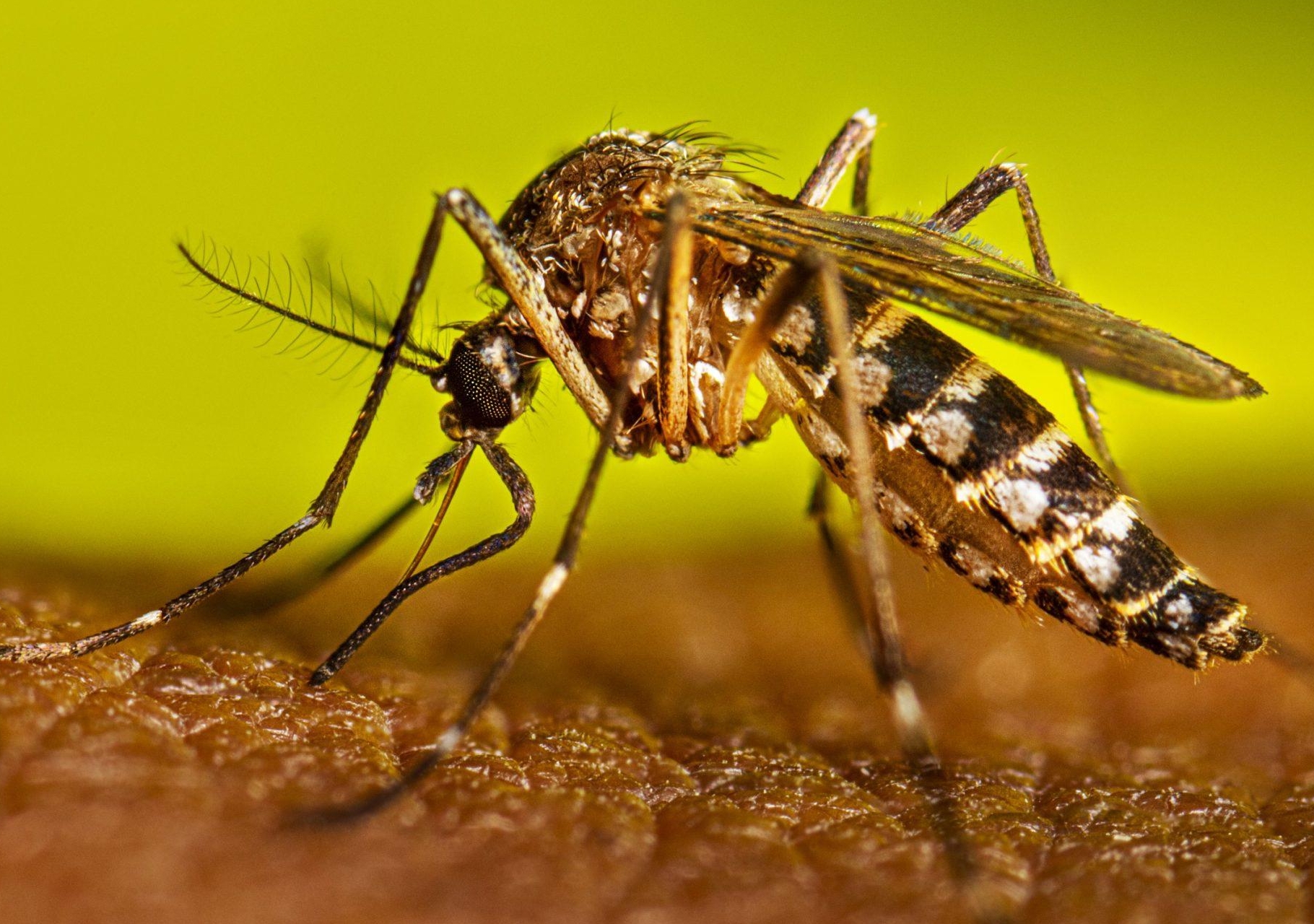
Yellow fever is a viral hemorrhagic disease transmitted by infected mosquitoes – specifically, those of the Aedes and Haemagogus species. These are the same vectors responsible for spreading other debilitating illnesses like dengue fever, chikungunya, and Zika virus. The World Health Organization (WHO) estimates that there are approximately 200,000 cases of yellow fever annually, leading to around 30,000 deaths globally. The WHO provides comprehensive information on the disease, its prevention, and treatment.
The initial symptoms of yellow fever can be deceptively mild, often mimicking the flu. Around 80% of infected individuals experience a febrile illness characterized by fever, headache, muscle aches, nausea, and general malaise. However, approximately 15% of patients progress to a more severe form of the disease, marked by jaundice (yellowing of the skin and eyes due to liver damage), bleeding from the mouth, nose, eyes, or stomach, and potential organ failure. The severity of the illness is influenced by factors such as the viral load transmitted by the mosquito and the individual’s immune response.
Venezuela’s Response and Vaccination Concerns
The National Academy of Medicine in Venezuela has expressed concern over the perceived slow response from the Ministry of Health. According to Huniades Urbina, President of the Academy, communication regarding the outbreak was initially based on reports from PAHO. While the Ministry of Health has now implemented measures, including mandatory vaccination for travelers to certain states, the Academy believes these actions were taken too late. Currently, the authorities are prioritizing vaccination efforts in 22 parishes across the states of Aragua, Lara, Portuguesa, and Barinas, where the highest incidence of cases has been reported. As of this report, Caracas has not reported any confirmed cases.
A significant challenge lies in Venezuela’s current vaccination coverage. Urbina reports that vaccination rates currently hover around 50%, far below the 95% threshold recommended to achieve herd immunity and prevent outbreaks. The yellow fever vaccine is a highly effective, single-dose vaccine that provides lifelong protection. It is included in Venezuela’s Expanded Program on Immunizations (EPI), but uptake has been hampered by various factors, including logistical challenges and public hesitancy. The vaccine is recommended for individuals aged one year and older, and can be administered as early as nine months during an outbreak situation.
The Ministry of Health has announced that vaccination will be required for individuals traveling to Portuguesa, Barinas, Aragua, and Lara, particularly during the upcoming Semana Santa (Holy Week) holiday. This decision is accompanied by the activation of a special epidemiological surveillance protocol to monitor the spread of the virus. Authorities have also stated they are procuring additional vaccine doses to bolster the response. However, the Academy of Medicine emphasizes that a broader, nationwide vaccination campaign is crucial to mitigate the risk of further cases and fatalities.
Regional Context and the Growing Threat of Yellow Fever
The situation in Venezuela is part of a broader trend of increasing yellow fever activity in Latin America and Africa. The Pan American Health Organization has been actively monitoring the situation and providing support to affected countries. Factors contributing to this resurgence include climate change, which expands the geographic range of mosquito vectors, deforestation, and declining vaccination rates. The PAHO report from May 2025 highlighted the increased risk and urged countries to strengthen surveillance and vaccination programs.
Brazil has been particularly hard hit, experiencing significant outbreaks in recent years. Ecuador and Costa Rica have also reported cases, raising concerns about potential cross-border transmission. The WHO has identified several countries as being at risk of yellow fever outbreaks, including those with low vaccination coverage and favorable environmental conditions for mosquito breeding. The organization is working with national governments and international partners to implement vaccination campaigns and improve surveillance systems.
Key Takeaways
- Outbreak Confirmed: Venezuela is currently experiencing a yellow fever outbreak, with 29 confirmed cases and 2 deaths as of March 5, 2026.
- Vaccination is Crucial: Low vaccination coverage (around 50%) is a major concern, and increasing rates is essential to control the spread of the disease.
- Regional Risk: The outbreak is part of a broader trend of increasing yellow fever activity in Latin America, linked to climate change and declining vaccination rates.
- Travel Advisory: The Venezuelan Ministry of Health now requires vaccination for travelers to the states of Portuguesa, Barinas, Aragua, and Lara.
The situation in Venezuela underscores the importance of robust public health infrastructure, proactive surveillance, and widespread vaccination campaigns to prevent and control infectious diseases. Continued monitoring of the outbreak and a coordinated regional response will be critical to mitigating the impact of yellow fever and protecting vulnerable populations. The National Academy of Medicine continues to advocate for a comprehensive vaccination strategy and increased public awareness to address this growing health threat.
Further updates on the yellow fever situation in Venezuela will be provided by the Ministry of Health and the Pan American Health Organization. Readers are encouraged to consult these sources for the latest information and guidance. Share your thoughts and experiences in the comments below.
- Microbial Metabolite 10-HSA Repairs Gut Damage in HIV Primate Models
- NASA Space Telescope Rescue Mission in Jeopardy as Recovery Spacecraft Starts Spinning
- DR Congo Ebola Outbreak Becomes Second Largest in History (world-today-news.com)
- Global Diabetes Cases Projected to Reach 552 Million by 2030 (time.news)