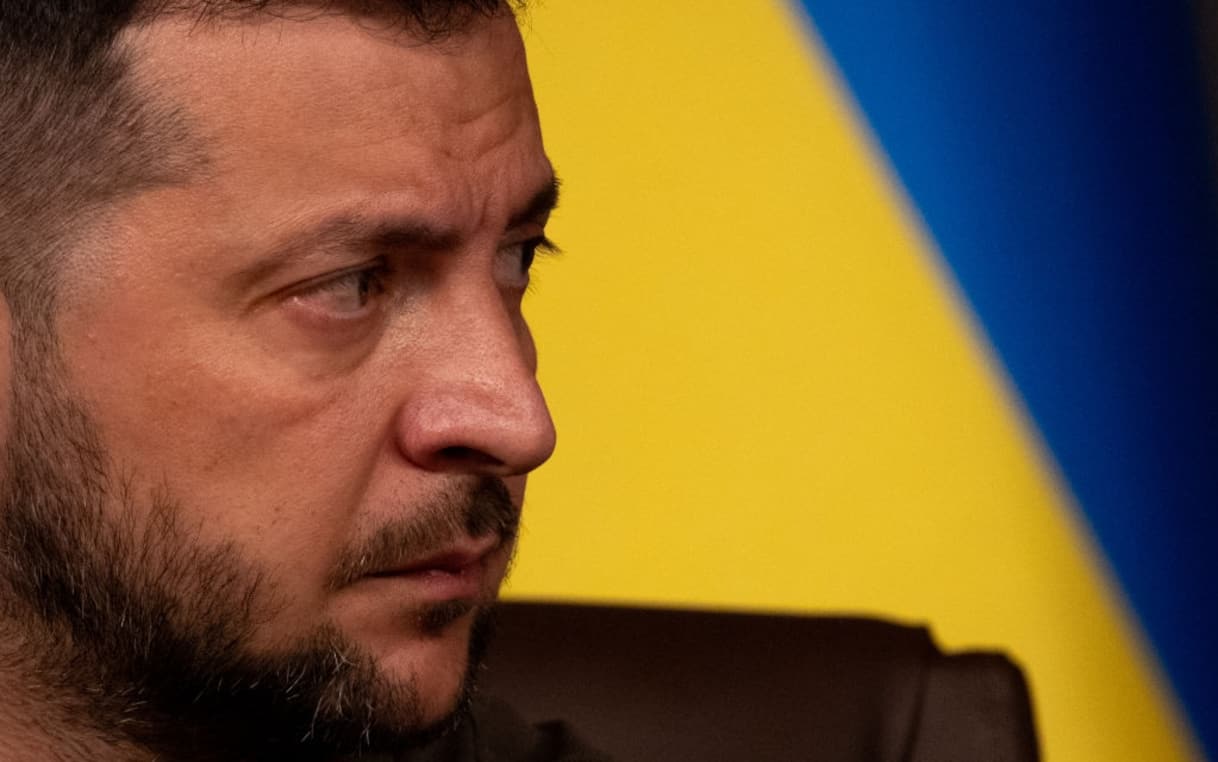
On Sunday, April 26, 2026, Ukrainian President Volodymyr Zelenskyy continued his diplomatic outreach in the Caucasus region, meeting with Azerbaijani President Ilham Aliyev in Baku to advance discussions on security cooperation and potential peace initiatives. The visit, which began on Friday, marked Zelenskyy’s first trip to a South Caucasus country since Russia’s full-scale invasion of Ukraine in February 2022, underscoring Kyiv’s efforts to broaden international partnerships amid ongoing hostilities.
During the meeting, Zelenskyy reiterated Ukraine’s openness to engaging in direct negotiations with Russia, specifying that Azerbaijan could serve as a neutral venue for such talks. “We are ready for the next talks [to be] in Azerbaijan if Russia will be ready for diplomacy,” he stated, according to reports from his visit. This position aligns with earlier comments made during his trip, where he emphasized Ukraine’s willingness to pursue diplomatic solutions even as continuing to defend its sovereignty against Russian military advances.
The discussions in Baku centered on strengthening military-industrial cooperation between Ukraine and Azerbaijan, particularly in the domain of air defense systems. Zelenskyy highlighted Ukraine’s experience in countering Iranian-made drones and missiles used by Russian forces, noting that several nations affected by the broader regional conflict have sought Ukrainian expertise in aerial defense. Azerbaijan, for its part, expressed interest in joint defense production, with Aliyev describing the potential partnerships as having “wide-ranging prospects.”
While no formal agreements were publicly disclosed during the visit, both leaders confirmed that talks covered energy collaboration and security coordination. Zelenskyy’s arrival in Azerbaijan followed a stop in Saudi Arabia, where he met with Crown Prince Mohammed bin Salman to discuss similar technology-sharing initiatives, particularly regarding drone interception capabilities. The sequence of visits reflects Ukraine’s broader strategy of engaging with Gulf and Caucasus nations to build resilience against aerial threats.
Meanwhile, Russian forces continued their offensive operations across Ukrainian territory on Saturday, with multiple regions reporting casualties from drone and missile strikes. In the eastern city of Dnipro, overnight attacks resulted in at least ten fatalities, including four individuals found in the wreckage of a destroyed residential building and one additional victim from a subsequent strike on an apartment block. Local officials described the barrage as sustained, with strikes occurring “practically all night” across several urban centers.
Further attacks were reported in the Zaporizhzhia region, where a Russian drone strike hit a civilian minibus, killing one person and injuring four others. In the Odesa Oblast, residential areas and port infrastructure sustained damage, though no fatalities were reported there. The southern Sumy region also experienced hostile action, with two deaths recorded in a separate drone incident, according to regional authorities.
These developments occur amid a broader pattern of intensified Russian aerial campaigns targeting Ukrainian infrastructure and civilian areas. Ukrainian air defense units have remained active in intercepting incoming threats, though the scale and frequency of Russian strikes have posed significant challenges. The humanitarian toll continues to accumulate, with international organizations monitoring the situation closely for potential violations of international humanitarian law.
Diplomatically, Zelenskyy’s outreach to Azerbaijan reflects a calculated effort to engage regional actors who have maintained relatively balanced positions in the conflict. While Baku has consistently affirmed its support for Ukraine’s territorial integrity and provided humanitarian aid since 2022, it has avoided direct confrontation with Moscow, often framing the war in neutral terms. This diplomatic nuance makes Azerbaijan a potentially viable interlocutor for future negotiations, should both Kyiv and Moscow express mutual interest in third-party mediation.
The timing of these diplomatic maneuvers coincides with shifting dynamics in Moscow’s foreign policy, particularly following the deterioration of its relationship with Iran after a series of U.S.-Israeli strikes in late February 2026. As Iran’s regional influence faces pressure, several states—including Ukraine—have sought to capitalize on the opening by offering defense expertise in drone warfare, a domain where Kyiv has developed significant operational experience over the past two years of conflict.
Looking ahead, no specific date has been set for potential Ukraine-Russia talks in Azerbaijan, and the Kremlin has not publicly responded to Zelenskyy’s invitation. However, the Ukrainian president’s consistent emphasis on diplomatic readiness—paired with continued military resilience—signals a dual-track approach aimed at strengthening Ukraine’s position on the battlefield while keeping channels for negotiation open.
As the war enters its fourth year, the international community continues to monitor both military developments and diplomatic initiatives closely. For real-time updates on the situation in Ukraine, including official statements from Kyiv and Moscow, readers are encouraged to consult verified sources such as government statements, international organization reports, and reputable news outlets with established bureaus in the region.
If you found this overview informative, consider sharing it with others interested in global affairs or leaving a comment below to join the conversation about the evolving dynamics of the conflict and prospects for peace.
Keep reading
- Democrats Introduce Resolution to End Unauthorized US Military Action Against Iran
- DHL Group Group Coordinator Lead Job in Monee, IL
- US Intelligence Warns Putin Could Test NATO With Limited Attack (archyworldys.com)
- UNICEF: 300 Days of Gaza War, Ukraine Casualties, and Hormuz Strait Ships Face Biofouling (archynewsy.com)