
New Dental Clinic to Open in Former Post Office in Chenoise-Cucharmoy, Near Provins
In a move set to address a growing demand for accessible dental care in rural France, a new dental clinic is preparing to open its doors in the former post office building of Chenoise-Cucharmoy, a modest commune located approximately 10 kilometers northwest of Provins in the Seine-et-Marne department. The initiative reflects broader efforts to combat “dental deserts”—areas where residents face significant challenges in accessing oral healthcare services. For the 1,600 residents of this quiet Île-de-France community, the arrival of a local dentist could mark a turning point in their ability to receive timely and preventive dental care.
The decision to repurpose the former post office—a symbol of the village’s historical infrastructure—into a modern dental practice underscores the creative solutions being deployed to tackle healthcare disparities in underserved regions. While the project has yet to be officially inaugurated, local officials and healthcare advocates have welcomed the development as a positive step toward improving public health outcomes in the area. “Here’s more than just a new clinic. it’s a lifeline for families who have had to travel long distances for basic dental care,” said Alain Bontour, the mayor of Chenoise-Cucharmoy, in a statement to local media earlier this month. His remarks were later confirmed by the commune’s official website, which highlighted the project as part of a broader strategy to enhance local services.
Chenoise-Cucharmoy, formed in 2019 through the merger of the villages of Chenoise and Cucharmoy, is a rural community where agriculture and small-scale commerce dominate the local economy. With a population density of just 33 inhabitants per square kilometer, the commune exemplifies the challenges faced by many rural areas in France: an aging population, limited public transportation, and a shrinking pool of healthcare providers. The nearest major hospital, Centre Hospitalier de Provins, is located about 15 minutes away by car, but for routine dental care, residents have often had to travel to larger towns like Melun or even Paris, a journey of over an hour in some cases. The new clinic aims to reduce these barriers, offering a local alternative for check-ups, cleanings, and minor procedures.
Why This Matters: The Crisis of Dental Deserts in Rural France
The opening of the dental clinic in Chenoise-Cucharmoy is not an isolated event but part of a nationwide effort to address the growing problem of “déserts médicaux” (medical deserts) in France. According to a 2023 report by the French National Order of Dentists (Ordre National des Chirurgiens-Dentistes), nearly 6 million French residents live in areas with insufficient access to dental care, with rural regions like Seine-et-Marne being particularly affected. The report highlights that while urban areas like Paris and Lyon have a dentist-to-population ratio of approximately 1 per 1,000 residents, rural departments can see ratios as low as 1 dentist per 3,000 or more.
The consequences of this disparity are far-reaching. Studies have shown that limited access to dental care can lead to delayed diagnoses of oral diseases, increased rates of tooth decay, and even systemic health issues such as cardiovascular disease and diabetes, which are linked to poor oral hygiene. For children, the lack of regular dental check-ups can result in preventable cavities and orthodontic issues, while elderly residents may struggle with denture fittings and oral pain management. In Chenoise-Cucharmoy, where the median age is higher than the national average, the need for accessible dental care is particularly acute.
The French government has introduced several measures to combat dental deserts, including financial incentives for dentists to practice in underserved areas, expanded telemedicine services, and partnerships with local municipalities to repurpose unused public buildings—like the former post office in Chenoise-Cucharmoy—into healthcare facilities. The “Ma Santé 2022” plan, launched in 2018, specifically targets the recruitment of healthcare professionals in rural and peri-urban areas, offering grants and loan forgiveness programs to encourage dentists to set up practices outside major cities. While these efforts have shown some success, the uneven distribution of dental professionals remains a persistent challenge.
The Post Office Transformation: A Creative Solution to a Pressing Problem
The former post office in Chenoise-Cucharmoy, a modest but well-maintained building located in the heart of the village, has stood vacant since the closure of its postal services in 2020. Like many rural post offices in France, it was a victim of cost-cutting measures by La Poste, the national postal service, which has consolidated operations in larger towns to reduce overhead. The closure left a gap in local services, but it similarly presented an opportunity for repurposing the space. According to the commune’s official website, the building was identified as an ideal location for a dental clinic due to its central location, existing infrastructure (including plumbing and electrical systems suitable for medical equipment), and symbolic value as a community hub.
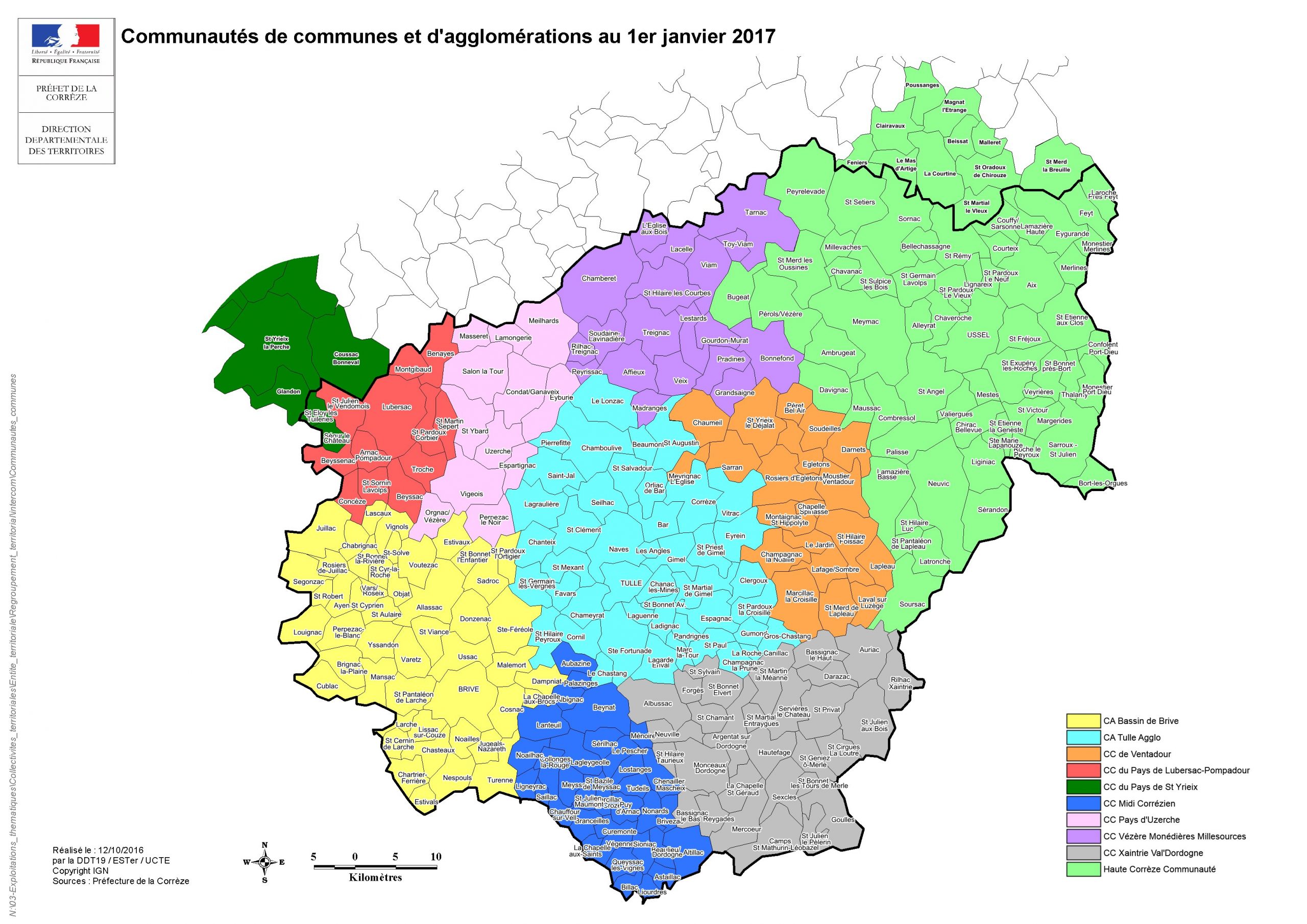
The transformation of the post office into a dental clinic is being overseen by the Communauté de Communes du Provinois (CCP), the local intermunicipal authority responsible for economic development and public services in the region. The CCP has allocated funds for the renovation of the building, including the installation of modern dental equipment, compliance with hygiene standards, and accessibility upgrades for patients with disabilities. While the exact timeline for the clinic’s opening has not been officially confirmed, local sources suggest that the facility could be operational by late 2026, pending final inspections and the arrival of the dentist who will staff the practice.
The identity of the dentist set to take over the clinic has not been publicly disclosed, but Mayor Alain Bontour confirmed in a recent interview with Le Parisien that the practitioner is a young professional who has expressed a commitment to serving rural communities. This aligns with a broader trend in France, where a new generation of healthcare providers is increasingly willing to practice outside urban centers, often motivated by quality-of-life considerations and a desire to make a tangible difference in underserved areas. The CCP has also indicated that the clinic may eventually expand to include a second dentist or dental hygienist, depending on patient demand.
What So for Residents of Chenoise-Cucharmoy
For the residents of Chenoise-Cucharmoy, the opening of the dental clinic represents more than just convenience—it could significantly improve their overall health and well-being. Currently, the nearest dental practices are located in Provins, Nangis, or La Ferté-Gaucher, all of which require a car or reliance on limited public transportation. For elderly residents, those without access to a vehicle, or families with young children, these trips can be burdensome, leading to postponed or skipped appointments. The new clinic will eliminate this barrier, making it easier for residents to receive preventive care, such as regular cleanings and check-ups, which are critical for maintaining oral health.
In addition to routine care, the clinic is expected to offer a range of services, including:
- Preventive care (cleanings, fluoride treatments, sealants)
- Restorative treatments (fillings, crowns, bridges)
- Emergency care (tooth extractions, treatment for infections)
- Pediatric dentistry (including early orthodontic assessments)
- Geriatric dentistry (denture fittings, oral cancer screenings)
The clinic will also participate in France’s national healthcare system, meaning that patients will be able to use their Carte Vitale for reimbursements, reducing out-of-pocket costs. This is particularly important for low-income families and retirees, who may otherwise forgo dental care due to financial constraints. The CCP has also indicated that the clinic will accept new patients from neighboring communes, potentially serving a catchment area of up to 5,000 residents.
Broader Implications: Can This Model Be Replicated?
The repurposing of the former post office in Chenoise-Cucharmoy into a dental clinic is a microcosm of a larger movement in France and other European countries to address healthcare deserts through innovative use of existing infrastructure. Across the country, vacant schools, town halls, and even former banks have been transformed into medical practices, pharmacies, and telemedicine centers. In the nearby department of Yonne, for example, a former railway station was converted into a multidisciplinary healthcare hub, housing a general practitioner, a physiotherapist, and a dental clinic under one roof. These projects not only breathe new life into underutilized buildings but also foster a sense of community resilience.
However, the success of such initiatives depends on several factors, including the availability of healthcare professionals willing to practice in rural areas, sustained funding from local and national governments, and community engagement. In Chenoise-Cucharmoy, the project has benefited from strong support from local officials, who have actively promoted the clinic as a key component of the commune’s long-term development strategy. The CCP has also emphasized the importance of partnerships with regional health authorities and dental schools, which can help ensure a steady pipeline of practitioners for the clinic.
Looking ahead, the Chenoise-Cucharmoy model could serve as a blueprint for other rural communities facing similar challenges. By leveraging existing infrastructure and fostering collaboration between local governments, healthcare providers, and residents, It’s possible to create sustainable solutions to the problem of dental deserts. For now, the residents of Chenoise-Cucharmoy can appear forward to a future where a trip to the dentist no longer requires a lengthy journey—just a short walk or bike ride to the heart of their village.
Key Takeaways
- Addressing a Critical Need: The new dental clinic in Chenoise-Cucharmoy will serve a population of 1,600 residents, many of whom currently travel long distances for dental care. The initiative is part of a broader effort to combat “dental deserts” in rural France.
- Repurposing Infrastructure: The clinic will occupy a former post office building, which has been vacant since 2020. This creative use of existing infrastructure is a cost-effective solution to expanding healthcare access in underserved areas.
- Government Support: The project is funded by the Communauté de Communes du Provinois and aligns with national initiatives like “Ma Santé 2022,” which aims to recruit healthcare professionals to rural and peri-urban areas.
- Comprehensive Services: The clinic will offer preventive, restorative, and emergency dental care, as well as specialized services for children and the elderly. Patients will be able to use their Carte Vitale for reimbursements.
- Broader Impact: The success of the Chenoise-Cucharmoy clinic could inspire similar projects in other rural communities, demonstrating how local governments can collaborate with healthcare providers to improve public health outcomes.
What’s Next?
The next milestone for the Chenoise-Cucharmoy dental clinic is the completion of renovations and the official hiring of a dentist to staff the practice. According to the Communauté de Communes du Provinois, the project is on track for a late 2026 opening, though an exact date has not yet been confirmed. Residents are encouraged to monitor updates on the commune’s official website or through local announcements for further details.
As the project moves forward, it will serve as a case study for how rural communities can overcome the challenges of healthcare access through innovation and collaboration. For the people of Chenoise-Cucharmoy, the opening of the clinic is not just about filling a gap in services—it’s about securing a healthier future for generations to come.
What are your thoughts on this initiative? Do you consider repurposing existing buildings is an effective way to address healthcare deserts? Share your comments below and join the conversation on how communities can improve access to essential services.
Related reading