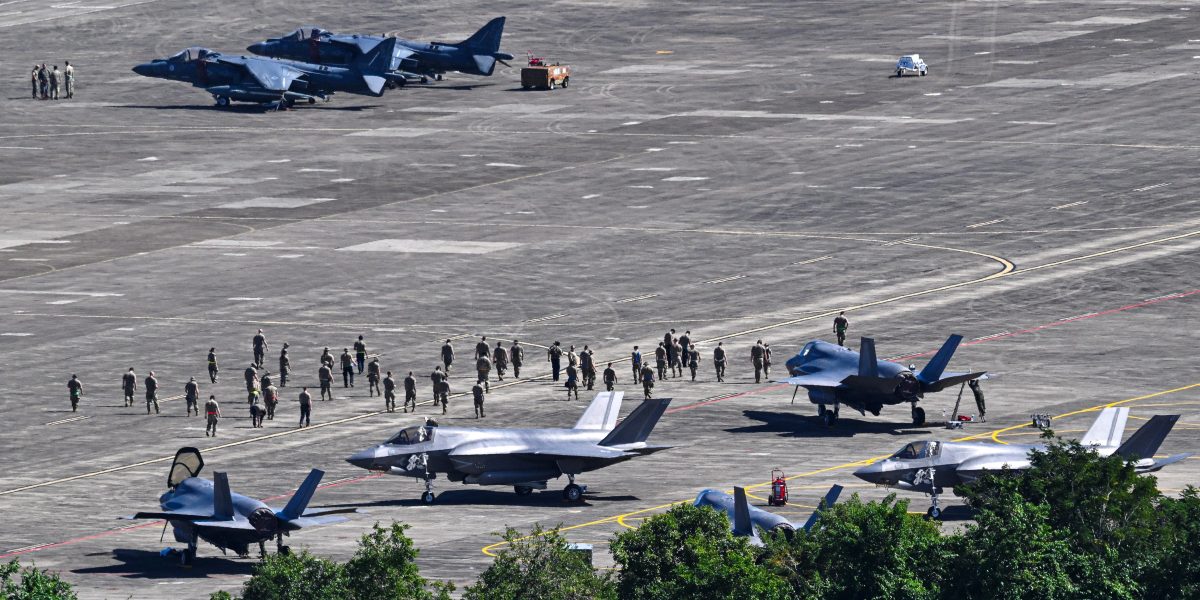
President Donald Trump’s administration has spent at least $4.7 billion on military operations targeting Venezuela and conducting strikes on vessels in the Caribbean and Eastern Pacific between August 2025 and March 2026, according to an independent analysis by Brown University’s Costs of War Project. The figure covers two named campaigns—Operation Absolute Resolve and Operation Southern Spear—and represents what researchers describe as a conservative estimate likely to rise as more data becomes available.
The analysis, shared exclusively with The Intercept, details expenditures across naval deployments, air operations, special forces activities, and munitions used in what the Trump administration frames as counter-narcotics and regional security efforts. Critics, including lawmakers from both parties and legal experts, have questioned the legitimacy of the strikes, arguing they constitute extrajudicial killings under international law when civilians are killed without posing an imminent threat.
The Pentagon has not released official cost figures for these operations, despite repeated requests from Congress, and journalists. U.S. Southern Command directed inquiries to the Office of the Secretary of War, which stated it had no information to provide at this time. This lack of transparency has prompted independent efforts to estimate the financial burden on American taxpayers.
Breaking Down the $4.7 Billion Estimate
The largest single expense was the sustained naval presence in the Caribbean, centered around the Iwo Jima Amphibious Ready Group—comprising the USS Iwo Jima, USS Fort Lauderdale, and USS San Antonio—operating alongside the 22nd Marine Expeditionary Unit and the USS Lake Erie guided-missile cruiser. According to the Costs of War analysis, this deployment accounted for approximately $3.8 billion, with daily operating costs averaging around $9 million per day for the task force.
Air operations contributed at least $616 million, covering the deployment and utilize of P-8 Poseidon maritime patrol aircraft, F-35A Lightning II fighters, and MQ-9 Reaper drones. The report estimates the continuing daily cost of maintaining at least 20 aircraft in the region at $2.6 million. These assets have been used for surveillance, precision strikes, and support missions tied to both maritime interdiction and air campaigns over Venezuela.
Under Operation Southern Spear, the U.S. Military conducted 53 attacks on suspected drug-smuggling vessels between September 2025 and April 2026. The analysis attributes between $12.5 million and $50 million to munitions used in these strikes, with individual strike costs potentially exceeding $1 million depending on the weapons employed. The Intercept previously reported that one such strike on April 19, 2026, in the Caribbean resulted in three civilian deaths, though the administration maintains all targets were affiliated with criminal organizations.
Operation Absolute Resolve, described as a large-scale air campaign that included the abduction of Venezuelan President Nicolás Maduro in January 2026, incurred ancillary costs exceeding $206 million. This figure includes the deployment of at least 150 aircraft—fighter jets, bombers, and special operations platforms—as well as precision munitions like Tomahawk and JASSM-ER cruise missiles. The approximately 200 U.S. Special Operations forces involved in the Maduro operation were estimated to have cost about $16 million in operational and combat expenses.
Additional, unverified costs may stem from U.S. Commando activities in Ecuador, where joint operations with local forces under the banner of “Operation Total Extermination” have extended into Colombian territory. The White House confirmed in a March 2026 war powers report that U.S. Armed forces were introduced into hostilities in Ecuador on March 6, 2026, targeting facilities linked to designated narco-terrorist networks.
Legal and Ethical Concerns Over Civilian Casualties
Legal scholars and members of Congress have criticized the boat strike campaign as potentially violating international humanitarian law. Experts note that under the laws of armed conflict, the U.S. Military cannot deliberately target individuals—even suspected criminals—who do not pose an imminent threat of violence. The Intercept reported in September 2025 that bipartisan lawmakers raised concerns after early strikes resulted in civilian fatalities, with some calling the actions summary executions inconsistent with due process.
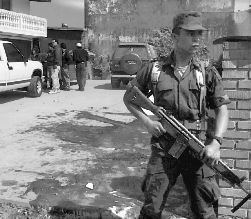
These operations mark a departure from historical U.S. Counter-drug strategies, which traditionally relied on law enforcement apprehensions and judicial proceedings rather than lethal military force. The long-running U.S. War on drugs has typically involved agencies like the DEA and Coast Guard interdicting suspects and seizing cargo through legal channels, not summary strikes on vessels.
Joseph Humire, then-acting assistant secretary of war for homeland defense and Americas security affairs, described the land-based expansion of these efforts as “bilateral kinetic actions” against cartel targets along the Colombia-Ecuador border. He announced Operation Total Extermination in late March 2026 as a U.S.-supported Ecuadorian offensive against transnational criminal organizations. However, the campaign quickly crossed into Colombia after a March 3, 2026, incident in which a farm was struck by what local sources described as ricochet effects from nearby munitions use.
The “Donroe Doctrine” and Hemispheric Strategy
The Trump administration has framed these military actions under the banner of the “Donroe Doctrine”—a term used by officials to describe a renewed assertion of U.S. Influence in the Western Hemisphere, modeled loosely on the 1823 Monroe Doctrine but inverted to justify American intervention rather than oppose external meddling. The National Security Strategy released in late 2025 labeled this approach a “potent restoration of American power and priorities,” tied to a broader realignment of global military forces to address perceived threats in the region.
In testimony before the House Armed Services Committee, Humire outlined an expanded security perimeter stretching from Alaska to Greenland in the Arctic, down through the Gulf of America and the Panama Canal, encompassing surrounding nations. The administration has since engaged in diplomatic pressure campaigns against Panama, threatened economic measures against Canada over Arctic and trade disputes, and publicly criticized leaders in Colombia, Cuba, and Greenland over security and governance issues.
Meanwhile, the CIA has reportedly expanded counter-narcotics operations in Mexico, coordinating with local authorities on intelligence-sharing and interdiction efforts, though the scale and legal basis of these activities remain partially undisclosed.
Long-Term Financial Implications
Researchers warn that the $4.7 billion figure is likely an undercount, as classified components—including a CIA drone strike in Venezuela referenced by Trump in public remarks—remain outside public accountability. Homestead and Kavanagh, the analysts behind the Costs of War estimate, emphasized that ongoing deployments have effectively become a “steady state” presence, meaning costs will continue to accumulate indefinitely without a clear endpoint.
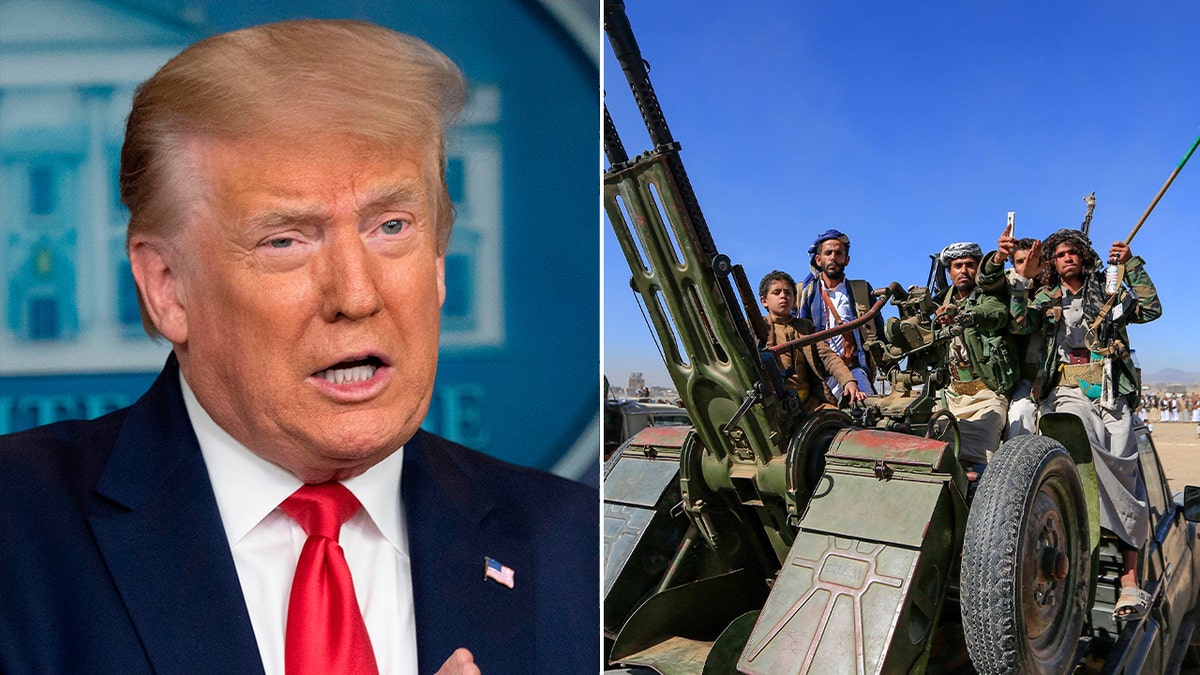
They also highlighted the broader fiscal consequences of war financing, noting that such expenses are typically funded through national debt, thereby adding long-term interest obligations to the federal budget. Any veterans injured or traumatized during these operations would be eligible for decades of healthcare and disability benefits, further increasing the lifetime cost to taxpayers.
Linda Bilmes, a Harvard Kennedy School professor and former Clinton administration official, has argued that the long-term costs of post-9/11 conflicts—including veterans’ care and debt interest—often exceed the initial war appropriations by a significant margin. Applying similar logic to current operations suggests the true burden could grow substantially over time.
Next Steps and Accountability
As of April 2026, no congressional hearings have been scheduled specifically to review the legal or financial aspects of Operations Absolute Resolve and Southern Spear. However, the House Foreign Affairs Committee has indicated it may examine administration claims about the Donroe Doctrine during its upcoming session on national security strategy, tentatively set for June 2026. The Senate Appropriations Subcommittee on Defense is expected to review the Pentagon’s fiscal year 2027 budget request in May, which could include line items related to sustained Western Hemisphere operations.
For updates on defense spending, military deployments, or congressional oversight, readers can consult the official websites of the U.S. Department of Defense, the Congressional Budget Office, and the Government Accountability Office. These sources provide regularly updated data on appropriations, force levels, and audit findings related to overseas contingencies.
Independent monitoring groups like the Costs of War Project and the National Priorities Project continue to publish analyses aimed at increasing transparency around military expenditures. Their work remains critical in the absence of full disclosure from executive branch agencies.
If you found this reporting informative, consider sharing it with others interested in defense policy, government accountability, or U.S. Foreign affairs. Comments are welcome below to facilitate foster a fact-based discussion on the costs and consequences of current military engagements.
Related reading
- Karnataka Cabinet Reshuffle: 16 Congress MLAs Clash With Leadership as N.A. Harris Misses Out
- Senior Category Buyer: Salvare Salvato (Peoria, IL & Lafayette, IN)
- Trump’s Former Lawyer Clears Key Hurdle for Attorney General Role (world-today-news.com)
- 3D DNA mapping in rare immune cells reveals new genes linked with autoimmune disease risk (archyde.com)