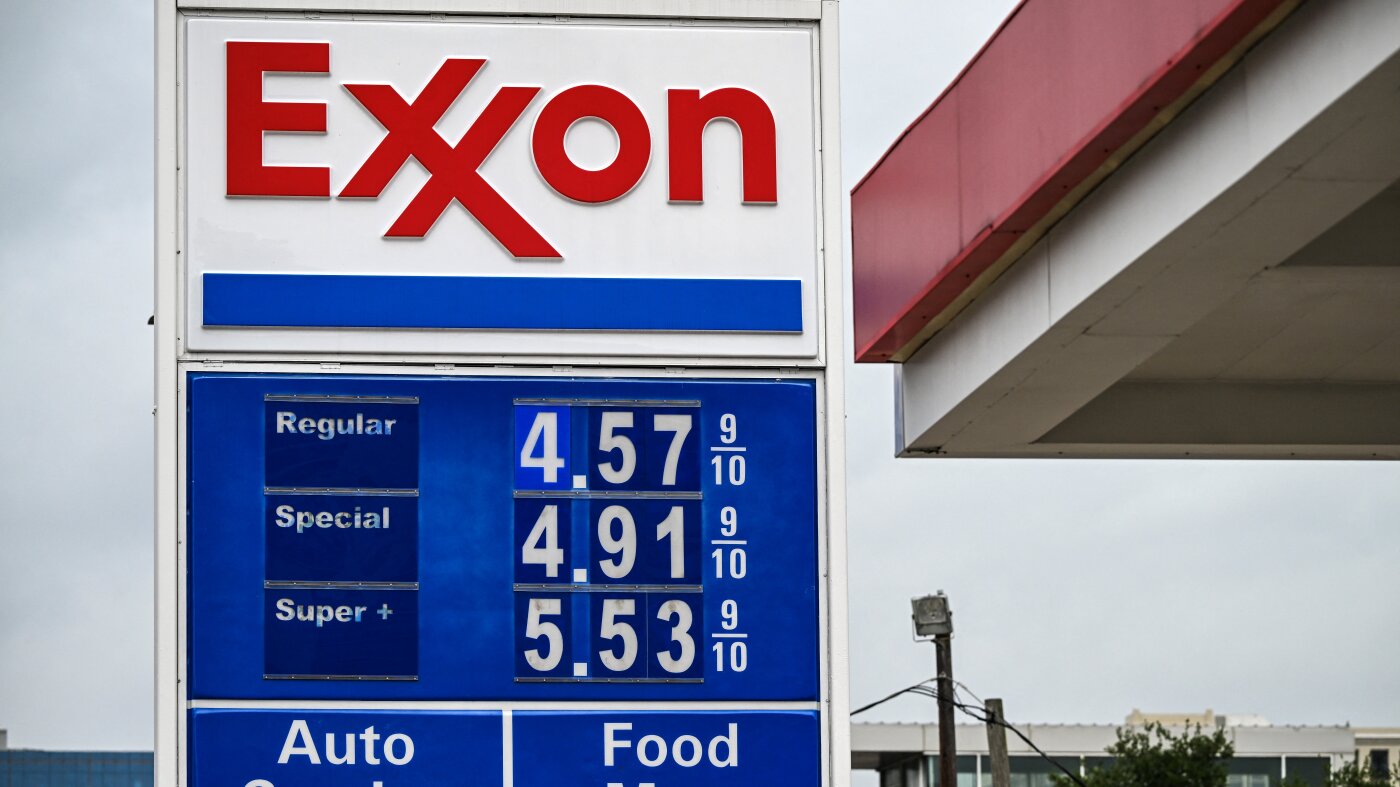
The latest economic data reveals a troubling trend for households worldwide as inflation jumps to its highest level since 2023. According to the Bureau of Labor Statistics, the Consumer Price Index (CPI)—the benchmark measure for inflation—showed that prices rose 0.6% from March to April, bringing the annual inflation rate to 3.8%.
This surge comes as a significant blow to consumers already grappling with affordability. The spike was driven primarily by surging oil costs linked to the Iran war, which have not only pushed prices higher at the pump but are beginning to ripple through the broader supply chain, impacting the cost of essential goods.
As a financial journalist and economist, I have watched these cycles before, but the current trajectory is particularly concerning due to the volatility of energy markets. While some sectors, such as medical care and new vehicles, saw price declines, these were far outweighed by the escalating costs of basic necessities.
The Energy Catalyst: Gasoline Prices Surge
The most immediate and visible driver of this inflationary spike is the cost of fuel. Gasoline prices rose by 5.4% over the month of April, following an unprecedented 21.2% spike in March. When viewed over the course of the year, gas prices have climbed by a staggering 28.4%.
This volatility is directly tied to geopolitical instability, specifically the Iran war, which has tightened global oil supplies and increased costs for transporters. For the average consumer, Here’s not just about the cost of filling a tank; it is about the “pass-through” effect, where the increased cost of transporting goods is eventually reflected in the price of everything from milk to construction materials.
To track official monthly updates on these trends, consumers can monitor the Bureau of Labor Statistics CPI reports, which provide the most authoritative data on price movements in the United States.
Three Areas Where Costs Are Rising Fastest
While the headlines focus on oil, the April data highlights three specific areas where consumers are feeling the most significant pinch. These “big-ticket” essentials are driving the current cost-of-living crisis:
- Gasoline and Energy: As noted, the record-breaking spikes in fuel costs remain the primary engine of inflation.
- Shelter: The cost of housing and rent continues to climb, leaving fewer disposable dollars for other necessities.
- Food: Grocery prices have increased over the month, compounding the pressure on low- and middle-income households.
The intersection of these three factors creates a compounding effect. When energy, housing and food—the three pillars of basic survival—all rise simultaneously, the resulting “inflationary pressure” reduces the overall purchasing power of the global consumer.
Understanding the ‘Core’ Inflation Gap
To understand the health of the economy, economists often look at “core” inflation. This metric excludes the most volatile categories—food and energy—to see if inflation is becoming “embedded” in the economy or if it is merely a result of temporary shocks.
In April, core inflation rose 0.4%, a slight increase over the rates seen in February and March. On an annual basis, core inflation stands at 2.8%. The gap between the headline inflation rate of 3.8% and the core rate of 2.8% underscores a critical point: the current crisis is being driven heavily by energy prices rather than a general increase in the cost of all services and goods.
However, this distinction may be short-lived. John Groton, a sector lead for energy, materials, and utilities at Thrivent, warns that supply chain disruptions for freight, metals, and fertilizers risk driving up the costs of housing and groceries further, potentially pushing core inflation higher in the coming months.
A Divided Economy: Sentiment vs. Spending
One of the most striking aspects of the current economic landscape is the divergence between how people feel and how they spend. The University of Michigan’s measure of consumer sentiment hit another record low this week, reflecting deep anxiety over surging costs.
Despite this bleak sentiment, overall consumer spending has remained relatively resilient. This phenomenon is a hallmark of a “K-shaped economy,” where different income brackets experience the economic cycle differently. While low-income earners are struggling to afford basic necessities, high-income earners continue to spend, buoying the overall economic numbers even as the majority of the population feels the squeeze.
This resilience at the top can be misleading for policymakers. If spending remains high, central banks may be slower to implement measures that could lower inflation, as the aggregate data suggests the economy is still “strong,” even if the average citizen is struggling.
What Happens Next?
The immediate focus for markets and consumers will be the stability of the energy sector. If the conflict in Iran continues to disrupt oil flow, People can expect gasoline prices to remain volatile, which will keep the headline inflation rate elevated.
the risk of “second-round effects”—where businesses raise prices to cover their own increased energy and transport costs—remains high. The warning regarding fertilizers and metals is particularly pertinent for the agricultural sector; if fertilizer costs rise, food inflation will likely accelerate regardless of oil price stability.
The next official Consumer Price Index update from the Bureau of Labor Statistics is expected in mid-June, which will provide the first clear indication of whether the April spike was a peak or the start of a longer upward trend.
Do you feel the impact of these price hikes in your daily budget? We invite you to share your experiences in the comments below and share this analysis with your network to keep the conversation on economic transparency going.