
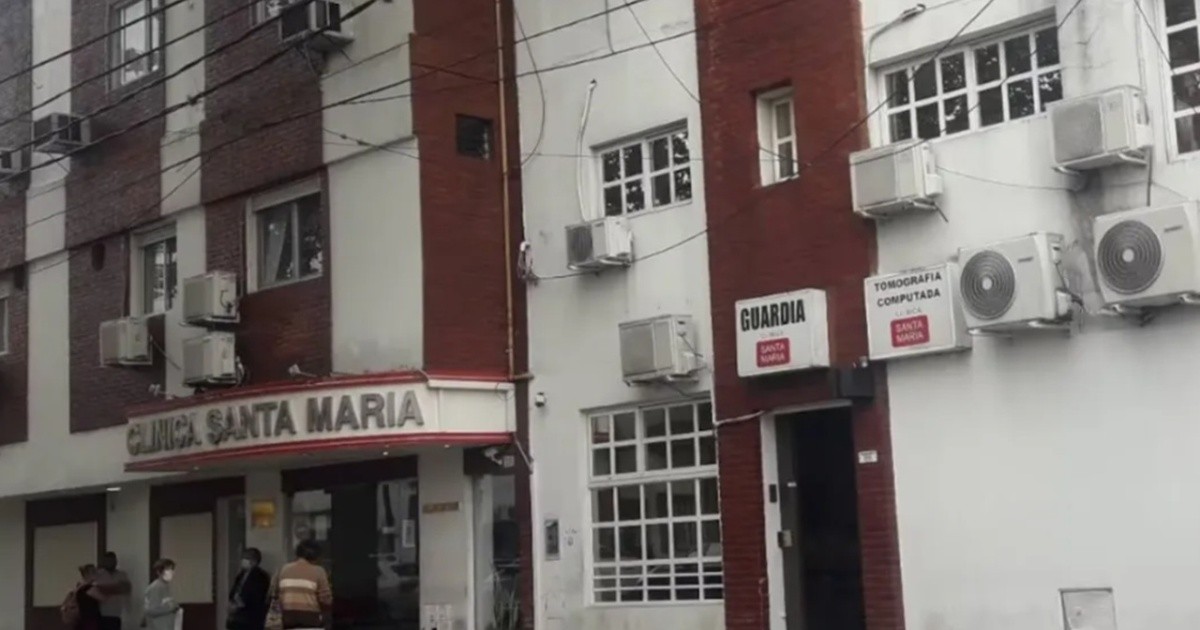
The discovery of human fetal remains in bags of waste at a private clinic in Villa Ballester, Buenos Aires Province, has triggered a multi-agency investigation into potential crimes including human trafficking, illegal abortion and the illicit trade of infants. Authorities confirmed the recovery of between five and eight fetuses during a police raid on Clínica Santa María, located on Enrique Marengo Street, following an interprovincial search for a 12-year-old girl who had been reported missing from Santiago del Estero while eight months pregnant.
The case began when judicial officials in Santiago del Estero launched an investigation after the girl, who had suffered sexual abuse, disappeared while under state protection. Her situation raised immediate concerns due to her advanced pregnancy, and vulnerability. Through intelligence work, provincial police traced her and her mother to Villa Ballester, over 1,100 kilometers from their home province, where they were found at the clinic. Upon arrival, investigators were initially denied access by the clinic’s director, who claimed the pair were not present. However, after persistent verification, officers confirmed both were inside the facility.
When located, the girl had already given birth, but her mother stated she did not know whether the newborn was alive or in the care of clinic staff. This uncertainty, combined with the director’s earlier denial, intensified suspicions of illegal activity involving the infant. A subsequent search of the premises uncovered human fetal remains stored in waste bags within a designated area of the clinic. Some of the remains showed signs of dismemberment, prompting forensic analysis to determine gestational age, cause of death, and whether the fetuses were viable at the time of expulsion.
The investigation is being led by the Superintendencia de Delitos Complejos of the Buenos Aires Provincial Police, acting under an interprovincial order from federal justice officials. Prosecutors are examining possible violations related to the concealment of births, illegal handling of biological remains, and participation in a network for the sale of newborns. Forensic teams have seized internal clinic documentation, including logbooks and notes, which investigators believe may reveal patterns of repeated misconduct over time.
Origins in Santiago del Estero and the Girl’s Journey to Buenos Aires
The minor involved in the case is from Santiago del Estero, a province in northern Argentina where she was reportedly subjected to sexual abuse that resulted in pregnancy. Local authorities there initiated proceedings after learning of her condition and her subsequent disappearance from a protected environment. Her case was escalated to national authorities due to the interstate nature of the search and the heightened risk of exploitation.

According to verified reports, the girl had been in contact with a non-governmental organization that facilitated her transfer to Buenos Aires. She arrived in Villa Ballester accompanied by her mother, who is described as having limited literacy and living in extreme economic hardship. The pair were admitted to Clínica Santa María under circumstances that remain under scrutiny, particularly regarding consent, medical oversight, and potential coercion.
Officials have not disclosed the name of the NGO involved, citing ongoing investigative sensitivity. However, they confirmed that the organization played a role in the girl’s relocation and that its connection to the clinic is under review. No charges have been filed against the organization at this stage, and investigators continue to assess whether any laws were violated in the transfer process.
Clínica Santa María and the Scope of the Inquiry
Clínica Santa María operates as a private healthcare facility in the Villa Ballester district of Greater Buenos Aires. Public records indicate it provides general medical services, though its specific licensing and authorization for obstetric or neonatal care are now under review by provincial health authorities. The clinic’s director, who initially denied the presence of the minor and her mother, has not been publicly named in official statements, though internal sources have identified him in media reports.

Following the discovery, the Buenos Aires Ministry of Health was notified and has begun an administrative review of the clinic’s compliance with health and safety regulations, including protocols for the disposal of biological waste and the management of maternity-related services. Any findings from this review could lead to sanctions, suspension of licenses, or referral to criminal prosecutors.
Forensic pathologists are conducting autopsies on the recovered remains to establish key details such as gestational age, evidence of trauma, and whether any of the fetuses showed signs of live birth before death. These findings will be critical in determining whether charges related to infanticide, illegal abortion, or concealment of birth apply under Argentine law.
Legal Framework and Potential Charges
Under Argentina’s Penal Code, several offenses may be relevant to the alleged conduct under investigation. Article 86 criminalizes abortion performed outside legal exceptions, which currently include cases of rape, risk to the mother’s life, or fetal non-viability. Articles 109 and 110 address concealment of birth and disposal of a corpse, respectively, both of which could apply if it is determined that infants were born alive and then killed or secretly disposed of to hide their existence.
Law 26.364 on the prevention and punishment of human trafficking and related exploitation may be invoked if evidence emerges of a commercial network involving the sale or transfer of newborns. This law penalizes the recruitment, transportation, or harboring of persons for exploitation, including illegal adoption or sale of infants. Federal prosecutors have indicated they are examining whether the case fits the profile of a coordinated criminal enterprise rather than isolated misconduct.
As of now, no arrests have been made, and no formal charges have been filed. Investigators emphasize that the inquiry remains active and that all findings are preliminary pending forensic and documentary analysis. They have urged the public to await official conclusions before drawing conclusions about motive or culpability.
Ongoing Developments and Official Next Steps
The investigation is currently in the evidence-gathering phase, with forensic results and testimonial statements from clinic staff, the girl, and her mother expected in the coming weeks. A hearing before the federal judge overseeing the case has not yet been scheduled, but legal representatives for the minor have been appointed to ensure her testimony is taken in accordance with protocols for child victims.

Authorities have confirmed that the girl and her mother are now under protective measures and are receiving psychological and social support through provincial child welfare services. Their current location has not been disclosed for safety reasons. The newborn, if located, would too be placed under state care pending determination of its status and any potential reunification with family.
Updates on the case will be issued through official channels, including the Buenos Aires Provincial Ministry of Security and the Federal Prosecutor’s Office. No public briefings have been announced as of this date, but officials state that significant developments will be communicated promptly once verified.
This case underscores the vulnerabilities faced by minors in situations of abuse and economic hardship, particularly when they cross provincial boundaries and enter private healthcare systems with limited oversight. It also highlights the importance of interprovincial cooperation in tracking missing persons and responding to potential networks of exploitation.
For ongoing coverage of this developing story and other verified global news, visit World Today Journal. We encourage readers to share this article to help spread awareness and engage in informed discussion.