
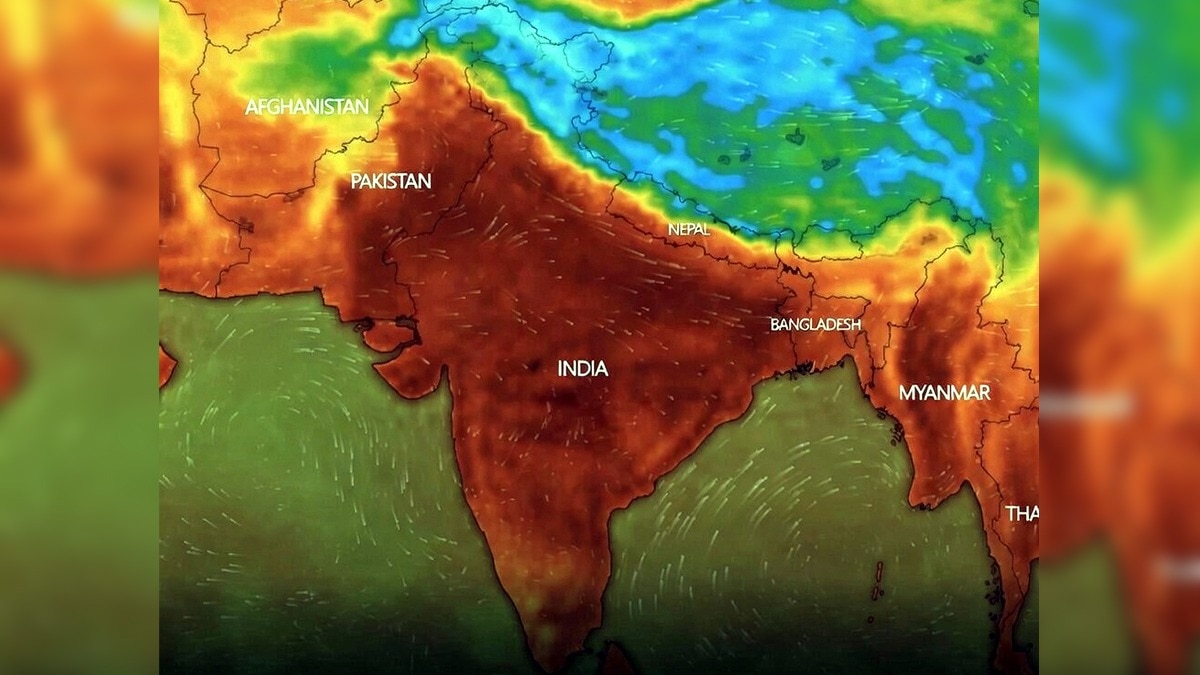
As April 2026 progresses, large parts of India are experiencing unusually high temperatures, with weather maps showing expanding red zones indicating extreme heat. This visual signal has raised concerns among climate scientists and public health officials who warn that the conditions could pose serious risks to vulnerable populations if sustained.
The phenomenon is being linked to a combination of factors, including the lingering influence of a strong El Niño event in the Pacific Ocean, which has altered global weather patterns and contributed to above-average temperatures across South Asia. Meteorological agencies have noted that pre-monsoon heating is intensifying earlier than usual in several regions, particularly in northwestern and central India.
According to the India Meteorological Department (IMD), maximum temperatures in states such as Rajasthan, Gujarat and Madhya Pradesh have repeatedly exceeded 45°C in recent weeks, with some locations recording values above 47°C. These readings are significantly higher than the long-term averages for this time of year, prompting the issuance of heatwave warnings across multiple districts.
Climate researchers at the Indian Institute of Tropical Meteorology (IITM) in Pune have explained that the persistent high-pressure systems over the subcontinent are inhibiting cloud formation and reducing moisture inflow, which in turn amplifies surface heating. This dynamic, combined with dry land surfaces from below-average winter rainfall, creates a feedback loop that sustains elevated temperatures.
Public health experts are urging caution, particularly for outdoor workers, the elderly, and those with pre-existing medical conditions. The World Health Organization has emphasized that prolonged exposure to extreme heat can lead to heat exhaustion, heatstroke, and exacerbation of cardiovascular and respiratory illnesses. In response, several state governments have activated heat action plans, including adjusted work schedules, increased access to drinking water, and the opening of cooling centers in urban areas.
Meanwhile, agricultural communities are reporting stress on crops and livestock, with farmers in Punjab and Haryana noting wilting in wheat and mustard fields despite irrigation efforts. The Ministry of Agriculture has stated that it is monitoring the situation closely and may issue advisories on water conservation and drought-resistant farming practices if conditions persist.
Scientists caution that whereas El Niño is a contributing factor, the long-term trend of rising temperatures due to climate change is increasing the frequency and intensity of such heat events. Data from the Ministry of Earth Sciences shows that India has experienced a steady rise in average temperatures over the past two decades, with the past decade being the warmest on record.
As the country awaits the arrival of the monsoon season, which typically brings relief from the heat, forecasters are watching for signs of timely onset. The IMD has indicated that while current models suggest a near-normal monsoon, any delay could prolong the period of heat stress across affected regions.
For now, authorities continue to advise the public to stay hydrated, avoid unnecessary exposure to direct sunlight during peak hours, and follow local health advisories. Updates on temperature trends and heatwave alerts are being issued regularly by the IMD through its official website and mobile application.
Stay informed and take precautions as the situation develops. Share this information to help others stay safe, and let us know in the comments how your community is coping with the rising heat.