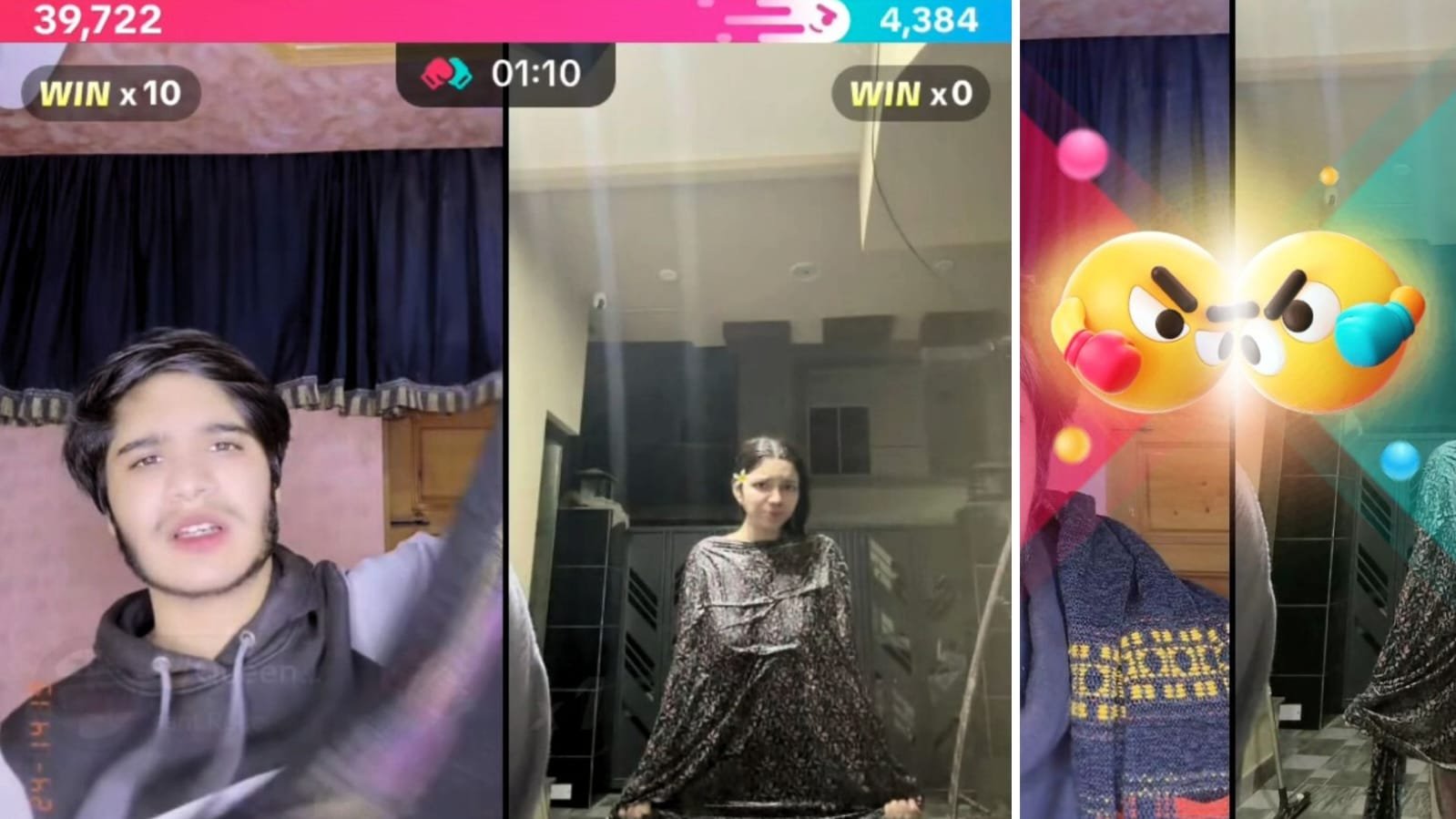
The digital age has fundamentally rewritten the contract of celebrity. Where fame was once the exclusive domain of movie stars and political figures, the “creator economy” has democratized visibility, allowing anyone with a smartphone and a compelling angle to amass millions of followers overnight. However, as the barrier to entry drops, the psychological toll of constant public scrutiny has risen.
This tension has recently resurfaced in social media discourse, highlighted by claims from the influencer known as Medusa, who suggested that fame is not always positive and can actively harm the individual. While the curated images of luxury and influence suggest a life of privilege, the reality for many digital personalities is a grueling cycle of performance, validation-seeking, and a profound loss of privacy.
For those operating at the intersection of luxury and visibility, the “cost of social media fame” often manifests as a disconnect between the public persona and the private self. The pressure to maintain a specific image—often one of perpetual success and opulence—creates a fragile existence where one’s self-worth becomes tethered to fluctuating engagement metrics and the whims of an anonymous global audience.
The Paradox of the Digital Spotlight
The modern influencer exists in a state of paradoxical isolation. Despite being “connected” to millions of followers, the nature of these relationships is primarily parasocial. A parasocial relationship is a one-sided bond where the audience feels a deep intimacy with a creator who does not know them. While this drives engagement and monetization, it often leaves the creator feeling profoundly alone, as their “connections” are based on a curated version of their life rather than their authentic self.

This disconnect is often where the negative impact of fame begins. When a creator’s identity is subsumed by their brand, the boundary between the person and the product disappears. The need to remain “relevant” requires a constant stream of content, turning private moments into public assets. This erosion of privacy is not merely a logistical inconvenience; it is a psychological burden that can lead to chronic stress and anxiety.
Research into the impact of social media on mental health suggests that the constant need for external validation can disrupt internal stability. According to the American Psychological Association, the pressure to present a “perfect” life online can contribute to feelings of inadequacy and depression, even for those who appear to be the ones setting the standard for others to follow.
Beyond the Filter: The Psychological Toll of Visibility
The claim that fame “harms” is often rooted in the reality of public scrutiny. In the traditional celebrity model, there were buffers—publicists, agents, and a distance between the star and the fan. In the creator economy, that buffer is gone. Influencers often interact directly with their critics in comment sections, exposing them to immediate, unfiltered, and often vitriolic feedback.
This environment fosters a state of hyper-vigilance. Creators must constantly calibrate their behavior, speech, and appearance to avoid “cancel culture” or a sudden drop in popularity. This psychological weight is compounded by the volatility of platform algorithms. A creator can travel from being the center of global attention to digital obscurity in a matter of weeks, leading to a crisis of identity and purpose.
the financial pressure of the creator economy adds another layer of stress. Many influencers invest heavily in their image—luxury clothing, travel, and high-end jewelry—to signal status and attract brands. When the cost of maintaining this image exceeds the income generated, the gap between the projected lifestyle and the actual financial reality can lead to severe mental distress.
Navigating the Modern Era of Visibility
As more creators speak out about the downsides of their success, a movement toward “authentic” content and digital boundaries is emerging. The shift is moving away from the unattainable perfection of the 2010s toward a more transparent depiction of the struggles associated with public life.
Establishing a “digital moat”—a strict separation between public content and private life—has become a survival strategy for long-term creators. This includes limiting the amount of personal information shared and diversifying income streams to reduce dependency on a single platform’s algorithm. By decoupling their self-worth from their follower count, creators can mitigate the harmful effects of fame.
The broader conversation around influencer burnout highlights a systemic issue in how we consume content. The audience’s demand for 24/7 access to a creator’s life treats the human being as a service rather than a person. Recognizing the humanity behind the screen is essential for creating a more sustainable digital ecosystem.
Key Takeaways on the Impact of Digital Fame
- Parasocial Strain: The gap between the public persona and the private individual often leads to profound loneliness.
- Validation Loops: Tethering self-esteem to likes and views creates a volatile psychological state.
- Privacy Erosion: The commodification of private life for content leads to chronic stress and hyper-vigilance.
- Algorithm Anxiety: The fear of losing relevance due to platform changes creates a state of permanent instability.
The discourse sparked by figures like Medusa serves as a reminder that the “dream” of viral success often comes with an invisible price tag. While the visibility can bring wealth and opportunity, the mental cost of maintaining that spotlight is a burden that few are prepared for when they first hit “upload.”
The industry is currently awaiting further discussions from mental health professionals and creator guilds regarding the implementation of better support systems for digital personalities facing burnout and public harassment.
Do you feel the trade-off for fame is worth the psychological cost? Share your thoughts in the comments below.