
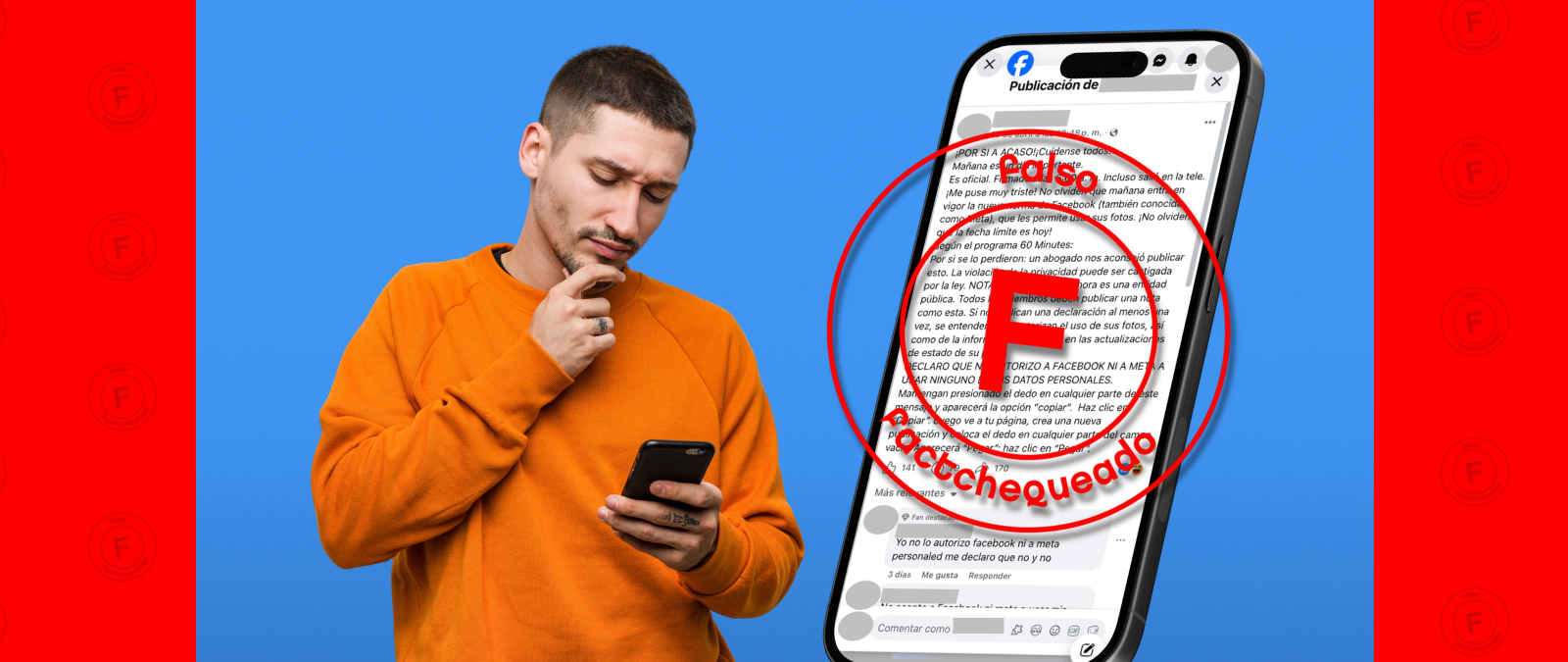
When scrolling through social media feeds, it’s not uncommon to see posts declaring “I do not authorize Facebook or Meta to use my photos or data.” Many users share these statements in the belief that posting such a disclaimer will protect their personal information from being used by the platform. However, this practice has no legal effect and does not prevent Meta from using user content in accordance with its terms of service.
The idea that a simple declaration on a profile or in a post can override a company’s data policies is a persistent myth. Despite widespread sharing, especially during periods of heightened privacy concerns, these statements do not constitute a valid opt-out mechanism under any current data protection law or Meta’s user agreement. Experts and fact-checking organizations have repeatedly clarified that users cannot unilaterally revoke permissions granted through terms they accepted when creating an account.
Meta’s data usage policies, including those for photos and other user-generated content, are governed by the terms users agree to upon registration. These terms grant the company broad rights to host, distribute, and use content shared on its platforms, subject to its data policy and privacy settings. While users can adjust privacy controls to limit who sees their posts, they cannot prevent Meta from using their data for purposes outlined in its policies, such as improving services or developing latest features, as long as they remain users of the platform.
Fact-checking organizations like Snopes have investigated claims about new Facebook rules allegedly granting Meta expanded rights to user photos. Their analysis confirms that no such rule change has occurred that would allow Meta to use photos in ways not already permitted under existing terms. The rumor resurfaces periodically, often fueled by misunderstandings about platform updates or privacy policy notifications.
Similarly, the Transparency Coalition’s guide on preventing AI training use of personal images emphasizes that opting out of data usage for artificial intelligence training requires specific actions through official channels, not blanket statements on social media. The guide notes that while some platforms offer limited controls over how data is used for AI development, these vary by jurisdiction and are not universally available.
News outlets such as 10News.com have too examined viral claims about Meta’s photo usage policies, concluding that assertions allowing the company to use photos “how it wants” are misleading. Meta’s actual policies restrict usage to purposes outlined in its data policy, and users retain certain rights depending on applicable laws like the GDPR in Europe or CCPA in California, though these do not include the ability to override terms via social media disclaimers.
For users seeking genuine control over their data, Meta provides tools within its settings to manage ad preferences, facial recognition, and data sharing with third-party apps. In regions with strong data protection laws, users may also have the right to access, correct, or delete their information. However, these rights are exercised through formal processes, not by posting declarations on a timeline.
The persistence of the “no authorization” myth highlights ongoing challenges in digital literacy. As platforms evolve and data practices come under greater scrutiny, clear communication from companies and accessible educational resources are essential to help users understand their real rights and limitations.
As of now, there are no announced changes to Meta’s data usage policies that would alter the fundamental relationship between user content and platform rights. Users wishing to stay informed about policy updates should consult Meta’s official data policy and privacy center directly, rather than relying on viral social media posts.
If you found this explanation helpful, consider sharing it with others who might benefit from understanding how social media platforms actually handle user data. Comments and questions are welcome below.
When scrolling through social media feeds, it’s not uncommon to see posts declaring “I do not authorize Facebook or Meta to use my photos or data.” Many users share these statements in the belief that posting such a disclaimer will protect their personal information from being used by the platform. However, this practice has no legal effect and does not prevent Meta from using user content in accordance with its terms of service.
The idea that a simple declaration on a profile or in a post can override a company’s data policies is a persistent myth. Despite widespread sharing, especially during periods of heightened privacy concerns, these statements do not constitute a valid opt-out mechanism under any current data protection law or Meta’s user agreement. Experts and fact-checking organizations have repeatedly clarified that users cannot unilaterally revoke permissions granted through terms they accepted when creating an account.
Meta’s data usage policies, including those for photos and other user-generated content, are governed by the terms users agree to upon registration. These terms grant the company broad rights to host, distribute, and use content shared on its platforms, subject to its data policy and privacy settings. While users can adjust privacy controls to limit who sees their posts, they cannot prevent Meta from using their data for purposes outlined in its policies, such as improving services or developing new features, as long as they remain users of the platform.
Fact-checking organizations like Snopes have investigated claims about new Facebook rules allegedly granting Meta expanded rights to user photos. Their analysis confirms that no such rule change has occurred that would allow Meta to use photos in ways not already permitted under existing terms. The rumor resurfaces periodically, often fueled by misunderstandings about platform updates or privacy policy notifications.
Similarly, the Transparency Coalition’s guide on preventing AI training use of personal images emphasizes that opting out of data usage for artificial intelligence training requires specific actions through official channels, not blanket statements on social media. The guide notes that while some platforms offer limited controls over how data is used for AI development, these vary by jurisdiction and are not universally available.
News outlets such as 10News.com have also examined viral claims about Meta’s photo usage policies, concluding that assertions allowing the company to use photos “how it wants” are misleading. Meta’s actual policies restrict usage to purposes outlined in its data policy, and users retain certain rights depending on applicable laws like the GDPR in Europe or CCPA in California, though these do not include the ability to override terms via social media disclaimers.
For users seeking genuine control over their data, Meta provides tools within its settings to manage ad preferences, facial recognition, and data sharing with third-party apps. In regions with strong data protection laws, users may also have the right to access, correct, or delete their information. However, these rights are exercised through formal processes, not by posting declarations on a timeline.
The persistence of the “no authorization” myth highlights ongoing challenges in digital literacy. As platforms evolve and data practices come under greater scrutiny, clear communication from companies and accessible educational resources are essential to help users understand their real rights and limitations.
As of now, there are no announced changes to Meta’s data usage policies that would alter the fundamental relationship between user content and platform rights. Users wishing to stay informed about policy updates should consult Meta’s official data policy and privacy center directly, rather than relying on viral social media posts.
If you found this explanation helpful, consider sharing it with others who might benefit from understanding how social media platforms actually handle user data. Comments and questions are welcome below.