
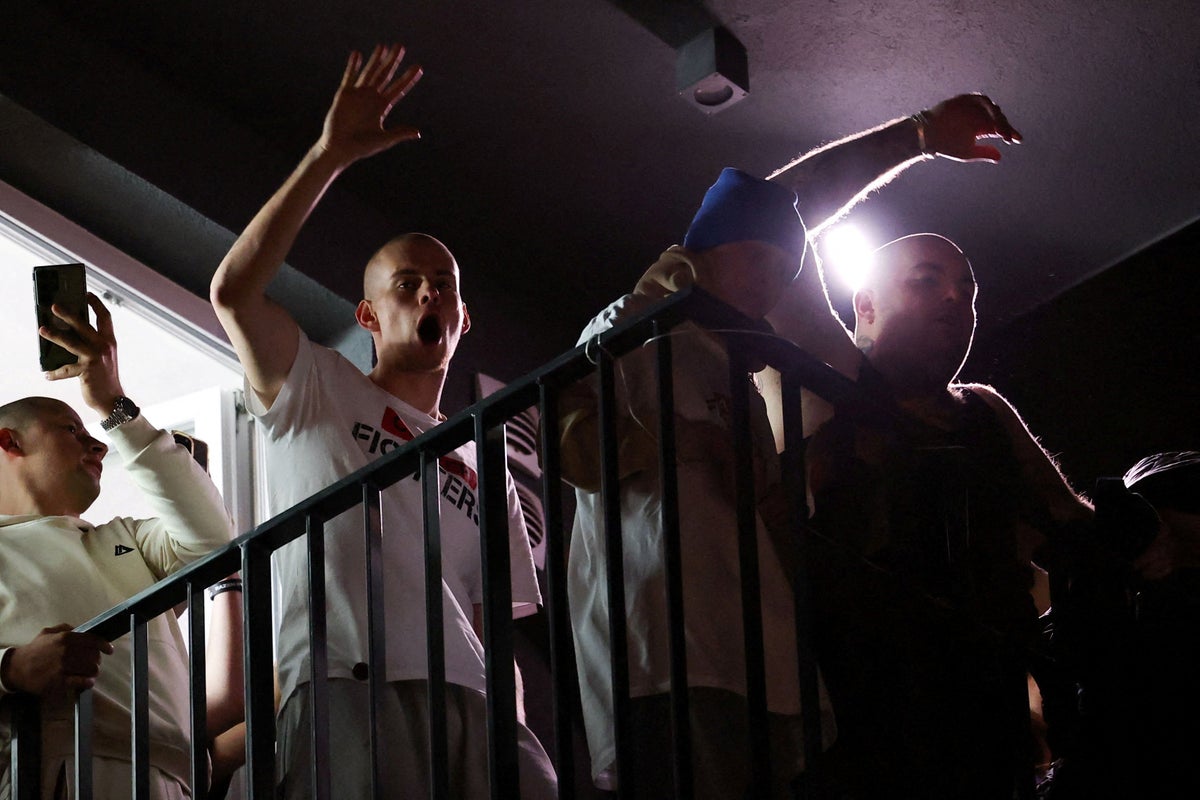
Polish Influencer’s Nine-Day Charity Livestream Raises Over £50 Million for Children with Cancer
WARSAW — In an unprecedented display of digital philanthropy, Polish influencer and content creator Kamil “Kamcio” Kmiecik has shattered fundraising records by raising more than £50 million (250 million Polish złoty) during a nine-day charity livestream to support children battling cancer. The marathon broadcast, which concluded on Sunday, April 26, 2026, drew millions of viewers worldwide and became one of the largest crowdfunding efforts in European history, surpassing previous benchmarks set by similar campaigns in Poland and beyond.
The livestream, titled “Kamcio dla Dzieci” (Kamcio for Children), began on April 17, 2026, and was hosted on Twitch, YouTube, and Facebook, platforms where Kmiecik has cultivated a following of over 5 million subscribers across his channels. The initiative was organized in collaboration with the Polish Children’s Oncology Foundation (Fundacja Onkologia Dziecięca), a Warsaw-based nonprofit that provides financial and emotional support to families affected by pediatric cancer. According to foundation officials, the funds raised will directly finance medical treatments, rehabilitation programs, and psychological support for children undergoing cancer therapy in Poland.
A Record-Breaking Effort
The final tally of £50.3 million (251.5 million złoty), announced by the Polish Children’s Oncology Foundation on Monday, April 27, represents the largest single fundraising campaign in Poland’s history, eclipsing the previous record of £32 million (160 million złoty) set by the Great Orchestra of Christmas Charity in 2023. The livestream’s success was driven by a combination of donations from individual viewers, corporate sponsors, and high-profile celebrities, including Polish footballer Robert Lewandowski and pop singer Sanah, both of whom made substantial contributions during the broadcast.
Kmiecik, a 28-year-old former esports player turned full-time content creator, streamed for an average of 24 hours per day, taking only short breaks for sleep and personal care. The livestream featured a mix of gaming, interviews with medical professionals, and emotional testimonials from families of children with cancer. Viewers were encouraged to donate in exchange for interactive challenges, such as voting on Kmiecik’s next gaming opponent or unlocking special segments, including a live concert by Polish musician Dawid Podsiadło.

“This was never just about the money,” Kmiecik said in a closing statement on Sunday evening, his voice hoarse from days of nonstop broadcasting. “It was about showing these kids and their families that they are not alone. Cancer is a battle no child should have to fight, but if they do, we want them to know the whole country is behind them.” His remarks were met with an outpouring of support from viewers, many of whom shared their own stories of loss and resilience in the livestream’s chat.
The Power of Digital Philanthropy
The success of Kamcio dla Dzieci underscores the growing influence of social media personalities in mobilizing large-scale charitable efforts. Unlike traditional telethons, which rely on television networks and pre-scheduled programming, livestreaming allows for real-time engagement, transparency, and global reach. During the nine-day event, Kmiecik’s channels attracted over 12 million unique viewers, with peak concurrent viewership exceeding 1.5 million during key moments, such as celebrity appearances and donation milestones.
The campaign too highlighted the role of corporate partnerships in amplifying fundraising efforts. Major Polish brands, including Allegro, PKO Bank Polski, and Żabka, pledged matching donations, effectively doubling the impact of individual contributions. For example, Allegro, Poland’s largest e-commerce platform, committed to matching donations up to 10 million złoty (£2 million), while PKO Bank Polski offered to cover transaction fees for all donations made through its payment system, ensuring that 100% of funds reached the foundation.
“This campaign has redefined what is possible in digital fundraising,” said Dr. Anna Kowalska, president of the Polish Children’s Oncology Foundation, in a press release issued on Monday. “The generosity of the Polish people, combined with the creativity and dedication of Kamil and his team, has created a model that we hope will inspire similar initiatives worldwide. These funds will save lives.”
Where the Money Will Go
The £50.3 million raised will be allocated across several critical areas, as outlined by the Polish Children’s Oncology Foundation:
- Medical Treatment: Funding for chemotherapy, radiation therapy, and surgical procedures for children who lack full insurance coverage or whose families cannot afford out-of-pocket expenses. Poland’s public healthcare system covers most pediatric cancer treatments, but additional costs—such as travel, specialized medications, and experimental therapies—often fall on families.
- Rehabilitation and Support: Investment in physical therapy, psychological counseling, and palliative care for children and their families. The foundation operates a network of 12 support centers across Poland, offering free services to families navigating the emotional and financial toll of pediatric cancer.
- Research and Advocacy: A portion of the funds will be directed toward pediatric oncology research in collaboration with the Maria Skłodowska-Curie National Research Institute of Oncology in Warsaw. The foundation also plans to launch an advocacy campaign to improve access to cutting-edge treatments for children in rural areas, where healthcare disparities remain a significant challenge.
- Family Assistance: Direct financial aid for families facing job loss, housing instability, or other economic hardships as a result of a child’s cancer diagnosis. The foundation estimates that 60% of families with a child undergoing cancer treatment experience severe financial strain, often forcing parents to grab unpaid leave from work or relocate to be closer to treatment centers.
In a statement, the foundation emphasized that all funds would be audited and transparently reported, with quarterly updates published on its website. Donors will receive personalized acknowledgments, including tax-deductible receipts for contributions made through official channels.
A Global Movement
While Kmiecik’s livestream was centered on Poland, its impact reverberated globally. Viewers from over 100 countries tuned in, with significant engagement from the Polish diaspora in the United States, United Kingdom, Germany, and Canada. The campaign also sparked a wave of copycat initiatives, with influencers in other countries announcing plans to host similar events for local charities.
In the UK, for example, Twitch streamer and mental health advocate Jack “JD” Dunlop announced a 48-hour livestream to benefit Great Ormond Street Hospital, one of the world’s leading children’s hospitals. Dunlop, who has over 3 million followers on Twitch, cited Kmiecik’s campaign as the inspiration for his own effort. “Seeing what Kamcio achieved in Poland made me realize the potential of livestreaming to make a real difference,” Dunlop said in a video posted on Monday. “If You can even approach close to raising a fraction of what he did, it will still be life-changing for so many kids.”
The success of Kamcio dla Dzieci also reignited discussions about the ethics and sustainability of influencer-led philanthropy. While some critics argue that such campaigns can be exploitative or lack long-term impact, supporters point to the immediate and tangible benefits of large-scale fundraising efforts. In Poland, where approximately 1,200 children are diagnosed with cancer each year, the funds raised by Kmiecik’s livestream are expected to directly benefit over 3,000 families over the next three years, according to the Polish Children’s Oncology Foundation.
What’s Next?
For Kamil Kmiecik, the conclusion of the livestream marks the beginning of a new chapter. In an interview with Polish news outlet Onet.pl on Monday, Kmiecik revealed plans to establish a permanent foundation to continue supporting pediatric cancer patients. “This isn’t a one-time thing,” he said. “The outpouring of support has shown me that there’s a real demand for this kind of work. I want to build something that lasts, something that can help kids and families for years to come.”
The Polish Children’s Oncology Foundation, meanwhile, has announced a “Thank You” event scheduled for May 15, 2026, where donors and supporters will be invited to celebrate the campaign’s success. The event will be livestreamed on the foundation’s YouTube channel, with appearances from Kmiecik, medical professionals, and families who benefited from the funds raised.
As the dust settles on this historic achievement, one thing is clear: Kamil Kmiecik’s nine-day livestream has not only raised millions for a vital cause but has also redefined the role of social media in philanthropy. In an era where digital platforms are often criticized for fostering division and misinformation, this campaign stands as a testament to their power to unite, inspire, and drive meaningful change.
How to Obtain Involved
For those inspired by Kmiecik’s campaign and wishing to support children with cancer, here are a few ways to get involved:
- Donate to the Polish Children’s Oncology Foundation: Contributions can be made directly through the foundation’s official website. The foundation accepts one-time and recurring donations, as well as contributions via bank transfer and popular payment platforms like PayPal.
- Support Local Charities: Many countries have organizations dedicated to pediatric cancer support. In the UK, for example, Children with Cancer UK and CLIC Sargent provide critical services to families. In the US, St. Jude Children’s Research Hospital is a leading institution in the fight against childhood cancer.
- Volunteer: Nonprofits often rely on volunteers to assist with fundraising events, administrative tasks, and family support programs. Contact your local pediatric cancer charity to learn about opportunities in your area.
- Advocate for Policy Change: Support initiatives aimed at improving access to healthcare, funding for research, and financial assistance for families affected by pediatric cancer. In Poland, the “Right to Hope” campaign is pushing for legislative reforms to expand coverage for experimental treatments.
The next official update from the Polish Children’s Oncology Foundation is expected on May 10, 2026, when the organization will release a detailed breakdown of how the £50.3 million will be allocated. For real-time updates, follow the foundation on Facebook and X (formerly Twitter).
What do you think about the role of influencers in philanthropy? Share your thoughts in the comments below, and don’t forget to share this story with friends and family who might want to learn more about this incredible achievement.