
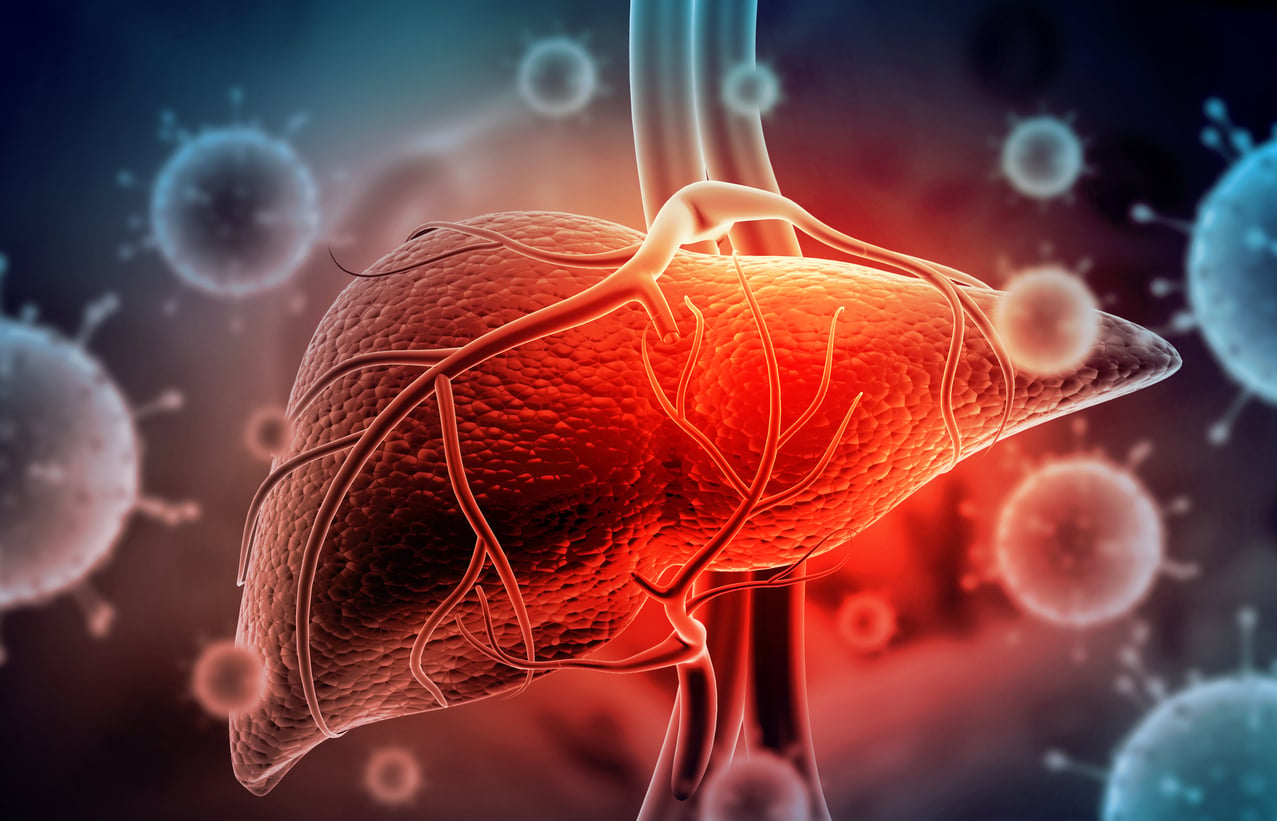
As a physician, I have spent over a decade observing the evolution of metabolic health and the profound impact of chronic liver conditions on patients worldwide. Recent advancements in therapeutic research are beginning to shed light on how we might effectively manage and potentially treat non-alcoholic steatohepatitis (NASH), a condition now more commonly referred to as metabolic dysfunction-associated steatohepatitis (MASH). This transition in terminology reflects a deeper, clinical understanding of the disease, which is intrinsically linked to systemic metabolic health rather than alcohol consumption.
The global medical community has been closely monitoring the progress of therapeutic interventions aimed at reversing or halting the progression of liver fibrosis. For millions of individuals living with metabolic liver disease, the prospect of a targeted treatment represents a significant shift in the standard of care. Understanding the mechanisms behind these new therapeutic approaches—and the necessity of early diagnosis—is crucial for patients and practitioners alike as we move toward a more personalized era of hepatology.
The Shift in Clinical Understanding: From NASH to MASH
The medical consensus regarding liver disease has evolved significantly. The American Association for the Study of Liver Diseases (AASLD) and other international panels have moved toward the nomenclature of metabolic dysfunction-associated steatotic liver disease (MASLD). This change is not merely semantic. it is intended to reduce the stigma associated with the term “non-alcoholic” and to better capture the underlying metabolic drivers, such as obesity, type 2 diabetes, and insulin resistance. According to the AASLD, this reclassification emphasizes the multi-systemic nature of the disease.
MASH, the more severe, inflammatory form of MASLD, is characterized by the accumulation of fat in the liver, which leads to inflammation and damage to liver cells. If left unmanaged, this can progress to fibrosis, cirrhosis, and, in some cases, hepatocellular carcinoma. The recent focus of research has been on identifying pharmacological agents that can reduce hepatic fat content and mitigate the inflammatory response that drives fibrotic remodeling of the liver tissue.
New Horizons in Therapeutic Development
Recent clinical trials have introduced promising data regarding the use of thyroid hormone receptor-beta (THR-β) agonists. Resmetirom, for instance, has become a focal point of recent regulatory discussions. In March 2024, the U.S. Food and Drug Administration (FDA) granted accelerated approval to resmetirom for the treatment of adults with MASH who have moderate to advanced liver fibrosis. This approval was based on evidence showing that the medication could improve liver fibrosis and resolve MASH symptoms, as noted in the FDA official announcement.

The mechanism of action for such treatments targets the root metabolic dysfunction in the liver. By activating THR-β receptors, these medications can help decrease liver fat, improve lipid metabolism, and potentially lower the risk of cardiovascular complications—an essential consideration given that cardiovascular disease remains the leading cause of mortality in patients with metabolic liver disorders.
The Importance of Early Detection and Lifestyle Integration
While pharmacological advancements are encouraging, they are designed to complement, not replace, fundamental lifestyle modifications. The management of metabolic dysfunction remains heavily reliant on sustained weight management, dietary intervention, and physical activity. The National Institute of Diabetes and Digestive and Kidney Diseases (NIDDK) highlights that weight loss remains the most effective way to reduce liver fat and inflammation in the early stages of the disease.
For patients, this means that the “cure” is often a multi-faceted approach. Screening remains a challenge, as many individuals with MASLD remain asymptomatic until the disease is advanced. Physicians are now encouraged to utilize non-invasive screening tools, such as vibration-controlled transient elastography (FibroScan) or blood-based biomarkers, to assess liver health in patients with metabolic risk factors like hypertension or elevated blood glucose levels. Early identification allows for intervention before irreversible scarring occurs.
Key Takeaways for Patients and Providers
- Terminology Update: The medical field has transitioned to using the term “MASLD” and “MASH” to better reflect the metabolic nature of these conditions.
- Regulatory Progress: The FDA has begun approving targeted therapies, such as resmetirom, for patients with advanced fibrosis related to MASH.
- Lifestyle Remains Primary: Pharmacological treatments are intended to be used in conjunction with, not instead of, lifestyle changes like diet and exercise.
- Screening is Vital: Patients with metabolic risk factors (diabetes, obesity, lipid disorders) should consult their healthcare providers about non-invasive liver health screenings.
What Happens Next
The landscape of hepatology is changing rapidly. Researchers are currently investigating a robust pipeline of combination therapies that target multiple pathways of the disease, including inflammation, fibrosis, and metabolic dysregulation. As we look toward the remainder of 2026, the medical community awaits further long-term outcome data from ongoing phase 4 studies and real-world evidence registries. These findings will be critical in refining treatment protocols and determining the long-term safety and efficacy of new therapeutic interventions.

For those living with or at risk for metabolic liver disease, the best course of action is to stay informed through reputable medical organizations and maintain regular contact with a specialist. If you have questions about your liver health, I encourage you to discuss these recent updates with your primary care physician or a gastroenterologist to see if screening is appropriate for your specific health profile.
Have you or a loved one been following the recent news on metabolic liver health? Please share your thoughts or questions in the comments section below—I look forward to hearing from you.