
Argentina’s Credit Crunch: Banks Tighten Lending as Demand Plummets Despite Lower Interest Rates
By Dr. Olivia Bennett, Chief Editor, Business
Argentina’s banking sector has entered a paradoxical phase. Despite a sustained decline in interest rates—a key policy lever for economic reactivation—demand for credit has fallen sharply, even as banks have simultaneously tightened lending conditions. The trend, revealed in the latest Encuesta de Condiciones Crediticias (ECC) by the Central Bank of Argentina (BCRA), underscores a deepening caution among financial institutions amid record-high delinquency rates and signs of economic cooling.
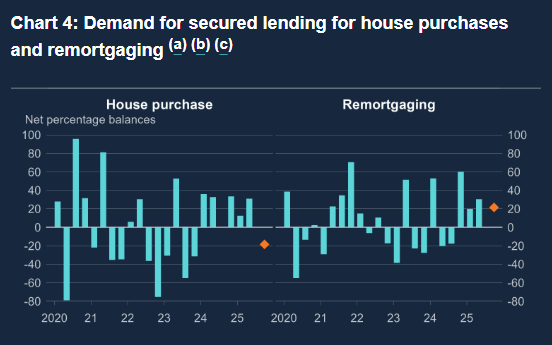
The ECC, a quarterly survey of banks representing approximately 90% of the country’s private credit market, found that during the first three months of 2026, lenders imposed stricter standards across nearly all segments. For businesses—both small and large—this meant reduced maximum loan amounts, shorter repayment terms, and heightened collateral requirements. Meanwhile, demand for credit dropped “significantly,” according to the survey, defying expectations that lower borrowing costs would spur borrowing activity.
At the heart of the caution lies a troubling rise in loan defaults. As of February 2026, the delinquency rate for private-sector credit reached 6.71%, with household defaults hitting an all-time high of 11.22%—the worst since the BCRA began tracking the data in 2008. For businesses, the rate stood at 2.92%, a figure that, while lower than that of households, has alarmed lenders given the broader economic slowdown.
The Policy Paradox: Lower Rates, Lower Demand
The Argentine government has pinned much of its economic recovery strategy on monetary easing, hoping that lower interest rates would stimulate borrowing and investment. However, the ECC results suggest that structural factors—rather than just the cost of credit—are shaping lending behavior. Banks, facing rising defaults and uncertain economic prospects, appear to be prioritizing risk mitigation over growth.
For small and medium-sized enterprises (SMEs), the tightening has been particularly acute. The survey reported that lenders reduced maximum loan amounts and shortened repayment periods for SMEs, while also demanding stronger guarantees. Large corporations, though less affected by collateral requirements, still faced stricter terms, reflecting a broader reluctance to extend credit in an environment of elevated financial stress.
The decline in demand is equally striking. The ECC found that credit applications fell across all business sizes, a trend that analysts attribute to a combination of factors: reduced business confidence, lower capital expenditure plans, and the lingering effects of high inflation, which has eroded purchasing power and operational cash flows. For households, the story is similar—consumers, wary of economic instability, appear to be delaying major purchases or leveraging credit, even as borrowing costs decline.
Delinquency Rates: A Warning Signal
The surge in loan defaults has become a defining feature of Argentina’s financial landscape. The BCRA’s data shows that household delinquencies have been climbing steadily since mid-2025, driven by a combination of job losses, wage stagnation, and the aftershocks of the country’s 2023-2024 inflation crisis. The 11.22% delinquency rate for households in February 2026 is not just a record—it represents a nearly 30% increase from the same period a year earlier, according to a BCRA financial stability report.
For businesses, the delinquency rate, while lower, has also been rising. The 2.92% figure for February 2026 marks a gradual but consistent increase from 2.1% in early 2025. The trend is particularly concerning for sectors heavily reliant on credit, such as construction, manufacturing, and retail, where cash flow constraints have forced many firms to delay payments or seek restructuring.
The BCRA has acknowledged the risks posed by rising defaults. In a March 2026 financial stability note, the central bank warned that “persistent delinquency levels could constrain banks’ capacity to lend, even as monetary policy seeks to support economic activity.” The note also highlighted the need for targeted measures to address non-performing loans, though no specific policies have been announced yet.
Banks’ Outlook: Cautious Optimism, But No Rush to Lend
Despite the current challenges, banks participating in the ECC expressed a modestly optimistic outlook for the coming months. The survey revealed that lenders expect demand for credit to recover gradually in the second quarter of 2026, though they remain cautious about easing lending standards. The anticipated rebound is tied to expectations of a stabilization in economic activity and a potential decline in delinquency rates as inflation continues to moderate.

However, the optimism is tempered by lingering uncertainties. Argentina’s economy has shown signs of cooling in recent months, with GDP growth slowing to an estimated 0.8% in the first quarter of 2026, down from 1.5% in the final quarter of 2025, according to official data from the National Institute of Statistics and Censuses (INDEC). The slowdown has been attributed to weaker domestic consumption, a decline in private investment, and the delayed effects of the country’s 2023 currency devaluation.
For now, banks are adopting a wait-and-see approach. While they anticipate a pickup in credit demand, they are unlikely to loosen lending standards significantly until there is clearer evidence of sustained economic improvement. This caution is reflected in the ECC’s forward-looking indicators, which show that banks expect to maintain or even further tighten credit conditions for high-risk segments, such as unsecured consumer loans and SME financing.
What This Means for Businesses and Consumers
The current credit environment poses challenges for both businesses and households. For companies, the tighter lending conditions could constrain growth plans, particularly for SMEs that rely heavily on bank financing. The reduced availability of credit may force some firms to delay expansion projects, cut back on hiring, or seek alternative funding sources, such as private equity or supplier financing, which often come with higher costs.
For consumers, the implications are equally significant. The combination of stricter lending standards and elevated delinquency rates means that access to credit—whether for mortgages, auto loans, or personal loans—is becoming more difficult. This could dampen consumer spending, a key driver of economic growth, particularly in sectors like real estate and durable goods.
However, there are potential silver linings. The gradual decline in interest rates, if sustained, could eventually encourage borrowing as confidence in the economy improves. The BCRA’s efforts to stabilize the financial system—including recent measures to enhance liquidity in the banking sector—may support mitigate some of the risks associated with rising defaults.
Looking Ahead: Key Questions for the Second Quarter
As Argentina moves into the second quarter of 2026, several key questions will shape the trajectory of its credit market:
- Will credit demand rebound as expected? Banks have signaled cautious optimism, but the pace of recovery will depend on broader economic trends, including inflation, employment, and business confidence.
- Can delinquency rates be brought under control? The record-high default rates among households and businesses remain a major concern. Without a sustained decline in delinquencies, banks are unlikely to ease lending standards significantly.
- What role will government policy play? The Argentine government has yet to announce targeted measures to address non-performing loans or stimulate credit growth. Any such policies could have a significant impact on lending behavior.
- How will external factors influence the market? Global economic conditions, including commodity prices and investor sentiment toward emerging markets, could also shape Argentina’s credit landscape in the coming months.
The next ECC survey, covering the second quarter of 2026, is scheduled for release in late July. The results will provide critical insights into whether the current trends are temporary or indicative of deeper structural challenges in Argentina’s financial system.
Key Takeaways
- Credit demand fell “significantly” in Q1 2026, despite lower interest rates, according to the BCRA’s Encuesta de Condiciones Crediticias.
- Banks tightened lending standards for businesses and households, reducing loan amounts, shortening repayment terms, and demanding stronger collateral.
- Delinquency rates hit record highs, with household defaults reaching 11.22% and business defaults at 2.92% as of February 2026.
- Banks expect a gradual recovery in demand but remain cautious about easing lending conditions in the near term.
- Economic cooling and high defaults are key factors behind the credit crunch, posing challenges for businesses and consumers alike.
What’s Next?
The BCRA is expected to release its next Encuesta de Condiciones Crediticias for the second quarter of 2026 in late July. The report will offer a clearer picture of whether the current trends in lending and delinquency are stabilizing or worsening. In the meantime, businesses and consumers should monitor official updates from the Central Bank of Argentina and the National Institute of Statistics and Censuses (INDEC) for the latest economic indicators.

Have you been affected by the tightening credit conditions in Argentina? Share your experiences in the comments below, and don’t forget to share this article with others who may be navigating these challenges.