
The Social Life of Gut Microbes: How Genes Influence Health Beyond Your DNA
For decades, we’ve understood that our genes play a critical role in determining our health. But emerging research is revealing a far more nuanced picture: our genes don’t just impact our biology, thay can influence the biology of those around us – and a surprising key player in this process is the gut microbiome. A groundbreaking new study, published recently, demonstrates how genetic factors in rats can shape the microbial communities within their guts, and crucially, how these microbial effects can spread socially, impacting the health of their peers. This research has profound implications for understanding human health, disease susceptibility, and the often-underestimated power of microbial interactions.
Uncovering the Genetic Roots of the Microbiome
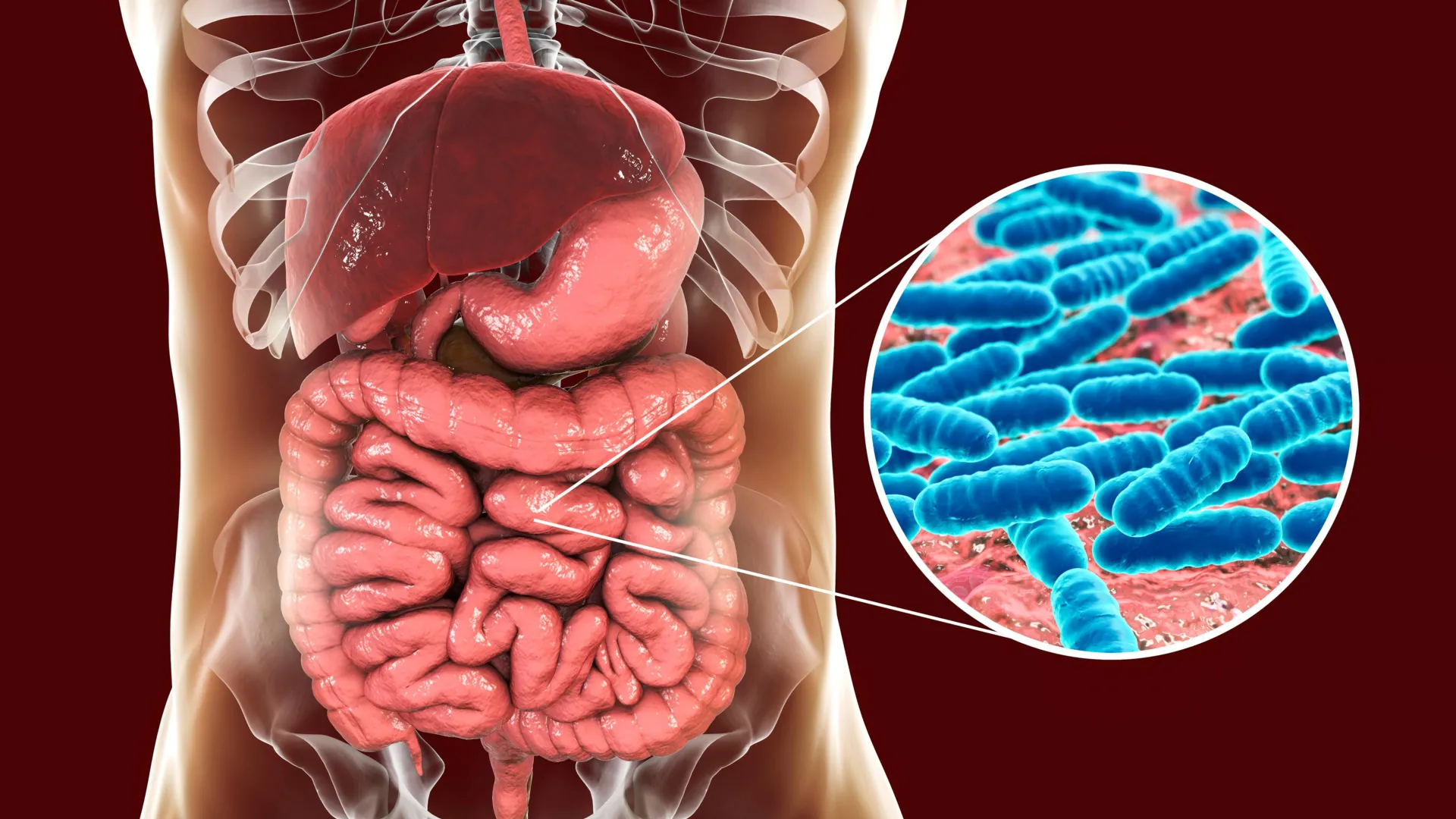
The gut microbiome – the trillions of bacteria, fungi, viruses, and other microorganisms residing in our digestive tract – is increasingly recognized as a central regulator of health. It influences everything from immune function and metabolism too brain activity and even behavior. However, disentangling the complex interplay between genes, habitat, and the microbiome has been a significant challenge.
this new study,leveraging a large cohort of rats and meticulously controlled living conditions,represents a major step forward. Researchers were able to quantify the extent to which a ratS microbiome is persistent by its own genetic makeup versus the genetic makeup of the rats it interacts with. This is a concept known as indirect genetic effects – where an individual’s genes influence the traits of others through shared environments. We’re familiar with this idea in parental care, where a mother’s genes influence her offspring’s advancement through the environment she provides. But this study reveals it’s happening within the microbial world too.
The team identified several key gene-microbe links, notably a connection between a rat gene and bacteria from the Muribaculaceae family, commonly found in rodents and also present in the human gut. interestingly, they discovered a gene, Pip, within this region that produces an antibacterial molecule, suggesting a complex interplay between host genetics and microbial defense.
The Power of Social Transmission: A Four to Eightfold Increase in Genetic Influence
What truly sets this research apart is the exhibition of social transmission of microbial effects. The researchers developed a sophisticated computational model to separate the direct genetic influence on a rat’s gut microbes from the influence of its social partners. They found that the abundance of certain Muribaculaceae bacteria was shaped by both direct and indirect genetic influences. This means that a rat’s genes can influence its own microbiome, but also the microbiome of the rats it lives with, through the exchange of microbes.
The impact of these social effects was ample. When incorporated into a statistical model, the overall genetic influence on the identified gene-microbe links increased by a remarkable four to eight times. The researchers acknowledge this is likely an underestimate,emphasizing that they’ve only “uncovered the tip of the iceberg.” Improved microbiome profiling techniques will undoubtedly reveal even more complex and widespread genetic influences.
Implications for Human Health: Beyond Individual Risk
The implications for human health are significant. If similar mechanisms operate in humans, it suggests that our genetic predispositions to disease may not be solely determined by our own DNA, but also by the genetic makeup of those around us. This challenges the customary focus on individual genetic risk and opens up new avenues for understanding disease transmission and prevention.
The study highlights the human gene ST6GAL1, functionally related to the rat gene St6galnac1, as a particularly compelling example. ST6GAL1 has previously been linked to Paraprevotella bacteria, and both are involved in coating the gut mucus with sugars, influencing which microbes thrive. This suggests a conserved mechanism across species, potentially explaining how genetic variations impact microbial composition.
Connecting the Microbiome to Disease: COVID-19, Autoimmunity, and Beyond
The researchers further explored potential links to specific diseases.They point to studies linking ST6GAL1 to breakthrough SARS-CoV-2 infections, suggesting that genetic variations in this gene could affect Paraprevotella levels and, consequently, susceptibility to viral infection. Paraprevotella has been shown to degrade enzymes used by the virus to enter cells, offering a potential protective mechanism.
Moreover, they propose a connection to IgA nephropathy, an autoimmune kidney disease. Paraprevotella may alter IgA antibodies, leading to their deposition in the kidneys and causing inflammation.
These are just initial hypotheses, and further research is crucial. The team is now focused on meticulously examining the relationship between St6galnac1 and Paraprevotella in rats, and unraveling the downstream effects on gut health and overall physiology.





