Route 66 at 100: The Mother Road Still Delivers Kicks After a Century of American Dreams
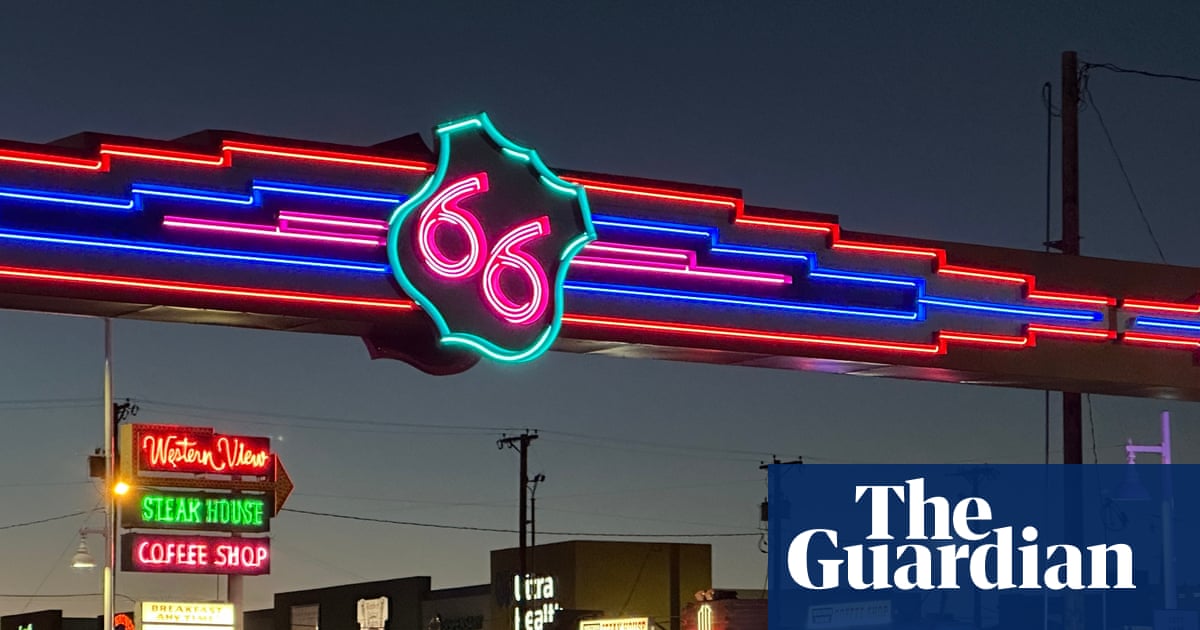
On a crisp April morning in 2026, the neon sign of the Blue Swallow Motel in Tucumcari, New Mexico, flickers to life, casting a warm glow over the empty two-lane highway. It’s a scene that could have been plucked from 1950—or 1939, when John Steinbeck immortalized this stretch of asphalt as “the mother road, the road of flight” in The Grapes of Wrath. A century after its official designation, Route 66 remains America’s most iconic road trip, a 2,448-mile ribbon of nostalgia, resilience and quirky Americana that still beckons travelers from Chicago to Santa Monica.
What began as a lifeline for Dust Bowl refugees fleeing Oklahoma’s parched earth has evolved into a pilgrimage for road-trippers, history buffs, and Instagram influencers alike. The highway’s endurance is a testament to its cultural DNA: part escape route, part time capsule, and wholly American. While interstates like I-40 now whisk drivers past the kitsch and grit of the original route, Route 66’s neon-lit motels, vintage diners, and roadside oddities refuse to fade into obscurity. Instead, they’ve become monuments to a bygone era—one that continues to captivate the imagination of a new generation.
“Route 66 isn’t just a road; it’s a story that keeps being rewritten,” says David Knudson, superintendent of the National Park Service’s Route 66 Corridor Preservation Program. “Every mile holds a piece of history—whether it’s the Joad family’s desperate journey west or a modern traveler’s first glimpse of the Standin’ on the Corner Park in Winslow, Arizona.”
The Birth of an American Icon
Route 66 was officially established on November 11, 1926, when the U.S. Bureau of Public Roads stitched together a patchwork of existing dirt roads and wagon trails to create the first all-weather highway linking Chicago to Los Angeles. The route, which wound through eight states (Illinois, Missouri, Kansas, Oklahoma, Texas, New Mexico, Arizona, and California) and three time zones, was initially little more than a muddy track in places. But by the 1930s, it had become a symbol of hope—and hardship—for the estimated 200,000 to 300,000 migrants fleeing the Dust Bowl.

Steinbeck’s The Grapes of Wrath, published in 1939, cemented the highway’s place in the national consciousness. The novel, which won the Pulitzer Prize for fiction and later became a 1940 film directed by John Ford, followed the fictional Joad family as they packed their belongings into a battered Hudson sedan and set out for California, lured by promises of work and a better life. Steinbeck’s description of the road—“66 is the path of people in flight, refugees from dust and shrinking land”—captured the desperation and determination of an entire generation. The phrase “Mother Road” stuck, and Route 66 became synonymous with both suffering and salvation.
By the 1950s, the highway had transformed again, this time into a symbol of postwar prosperity and freedom. The rise of car culture, cheap gas, and the burgeoning middle class turned Route 66 into the ultimate road trip destination. Diners like the 66 Diner in Albuquerque and motels like the Wigwam Motel in San Bernardino (where guests sleep in concrete teepees) became landmarks of a new era. The highway even inspired a hit song: Bobby Troup’s “(Get Your Kicks on) Route 66”, recorded by Nat King Cole in 1946 and later covered by everyone from Chuck Berry to the Rolling Stones.
From Lifeline to Legend: The Road’s Many Lives
Route 66’s story is one of reinvention. After World War II, the highway became a commercial artery, lined with gas stations, souvenir shops, and quirky attractions designed to lure travelers. The Meramec Caverns in Missouri, for example, claimed to be the hideout of Jesse James, while the Cadillac Ranch in Amarillo, Texas—ten half-buried Cadillacs spray-painted by visitors—became a counterculture landmark in the 1970s.
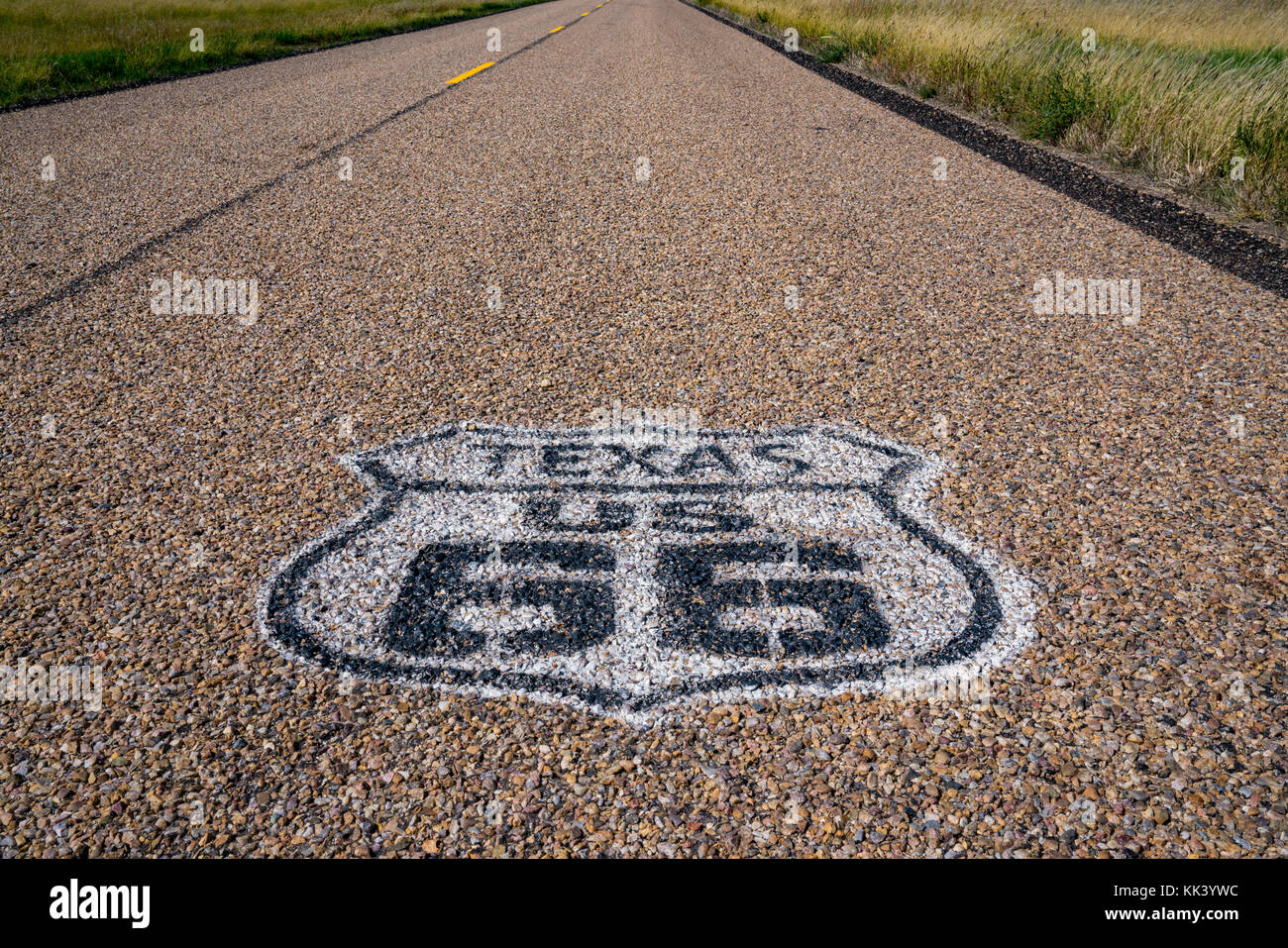
But by the 1980s, the highway’s glory days seemed numbered. The Federal Highway Act of 1956 had ushered in the Interstate Highway System, and faster, more efficient routes like I-40 and I-55 gradually siphoned off traffic. In 1985, Route 66 was officially decommissioned, its signs removed and its pavement left to crumble in places. For a time, it seemed the Mother Road might become a footnote in history.
Yet Route 66 refused to die. In the 1990s, a grassroots preservation movement began to take shape, fueled by nostalgia and a growing appreciation for the road’s cultural significance. The National Park Service’s Route 66 Corridor Preservation Program, established in 1999, provided grants to restore historic sites along the route, from neon signs to motor courts. Meanwhile, states like Oklahoma and Illinois began marking the original alignment with “Historic Route 66” signs, guiding travelers back to the road’s roots.
Today, Route 66 is experiencing a renaissance. According to the Route 66 Alliance, an estimated 50,000 to 100,000 international visitors drive at least a portion of the highway each year, drawn by its mix of history, kitsch, and adventure. The road has also become a canvas for modern art and activism, with murals, sculptures, and even a proposed electric vehicle charging corridor along the route.
Why the Mother Road Still Captivates
What is it about Route 66 that continues to enchant travelers a century after its creation? For some, it’s the sense of freedom—the open road, the wind in your hair, the promise of the next quirky attraction just over the horizon. For others, it’s the history: the chance to walk in the footsteps of Dust Bowl migrants, World War II soldiers, and 1950s vacationers. And for many, it’s the people—the roadside entrepreneurs, preservationists, and locals who maintain the spirit of the Mother Road alive.
Take Angel Delgadillo, the 96-year-old barber from Seligman, Arizona, who has been cutting hair in the same shop since 1950. Delgadillo is often called the “Guardian Angel of Route 66” for his role in saving the highway from obscurity. In the 1980s, he helped rally local businesses to form the Historic Route 66 Association of Arizona, which successfully lobbied for the road’s inclusion on the National Register of Historic Places. Today, his barbershop is a must-stop for travelers, a living museum of Route 66 lore.
“People come here from all over the world, and they all ask the same thing: ‘Why does this road still matter?’” Delgadillo says. “I tell them it’s because Route 66 is more than a highway. It’s a story about America—about hardship and hope, about leaving home and finding something new. And that’s a story that never gets aged.”
The Road Ahead: Challenges and Opportunities
Despite its enduring popularity, Route 66 faces significant challenges. Much of the original pavement is in disrepair, and some segments have been lost to development or neglect. In Missouri, for example, a 10-mile stretch near St. Louis was bulldozed in 2020 to develop way for a new housing development. Meanwhile, rising gas prices and the shift toward electric vehicles have raised questions about the road’s future relevance.
Yet We find signs of hope. In 2023, the Route 66 Centennial Commission Act was introduced in Congress, proposing a national celebration of the highway’s 100th anniversary in 2026. The bill, which has bipartisan support, would allocate funds for preservation, tourism promotion, and educational programs. Meanwhile, states along the route are investing in infrastructure, with Illinois recently announcing a $10 million plan to restore historic bridges and signage.
For travelers, the road’s future is already here. Electric vehicle charging stations are popping up along the route, and apps like Route 66 Navigator offer turn-by-turn directions for the original alignment. Meanwhile, a new generation of roadside businesses is emerging, blending old-school charm with modern amenities. The Route 66 Hotel in Springfield, Illinois, for example, offers vintage-inspired rooms with smart TVs and keyless entry, while the POPS soda ranch in Arcadia, Oklahoma, serves up 700 varieties of soda in a futuristic, neon-lit setting.
Planning Your Route 66 Adventure
If you’re ready to hit the road, here’s what you demand to know:
- Best Time to Go: Spring (April–June) and fall (September–October) offer mild weather and fewer crowds. Summer can be scorching, especially in the Southwest.
- Must-See Stops:
- Illinois: The Route 66 Association Hall of Fame & Museum in Pontiac and the Cahokia Mounds, a UNESCO World Heritage Site near St. Louis.
- Missouri: The Meramec Caverns and the Red Rocker Giant Chair in Lebanon.
- Oklahoma: The Oklahoma Route 66 Museum in Clinton and the Arcadia Round Barn.
- Texas: The Cadillac Ranch in Amarillo and the Big Texan Steak Ranch.
- New Mexico: The Route 66 Auto Museum in Santa Fe and the Standin’ on the Corner Park in Winslow.
- Arizona: The Petrified Forest National Park and the Historic Route 66 Motel in Holbrook.
- California: The California Route 66 Museum in Victorville and the Santa Monica Pier, the official end of the road.
- Getting There: The original Route 66 is not a continuous highway; it’s a patchwork of state and county roads. Use a GPS app with “Historic Route 66” settings or pick up a detailed map before you go.
- Where to Stay: From vintage motels like the Motel Orlando in Albuquerque to boutique hotels like the Roxy’s in Springfield, Illinois, there’s no shortage of unique lodging options.
- What to Eat: Don’t miss the Lou Mitchell’s doughnuts in Chicago, the 72-ounce steak challenge in Amarillo, and the green chile cheeseburger at POPS in Arcadia.
Key Takeaways: Why Route 66 Matters
- A Century of History: Route 66 has witnessed the Dust Bowl migration, the rise of car culture, the birth of roadside Americana, and the preservation movement that saved it from obscurity.
- A Symbol of Resilience: The highway’s survival—despite decommissioning, neglect, and competition from interstates—reflects the enduring appeal of its story: one of hardship, hope, and reinvention.
- A Global Attraction: Today, Route 66 draws travelers from around the world, offering a mix of history, kitsch, and adventure that can’t be found on any interstate.
- A Work in Progress: While challenges remain, efforts to preserve and promote the road are gaining momentum, with new investments in infrastructure, tourism, and sustainability.
- A Living Museum: From neon signs to vintage motels, Route 66 is a time capsule of 20th-century America, but it’s also evolving to meet the needs of 21st-century travelers.
The Road’s Next Chapter
As Route 66 enters its second century, its future is as uncertain as It’s exciting. Will it become a fully restored historic corridor, complete with electric vehicle charging stations and modern amenities? Or will it remain a patchwork of nostalgia and grit, a road less traveled by those seeking an authentic slice of Americana? One thing is certain: the Mother Road’s story is far from over.
For now, the neon still burns brightly in Tucumcari, the wind still whispers through the Petrified Forest, and the open road still calls to those who hear it. As Steinbeck wrote, “66 is the path of people in flight.” A century later, it’s still delivering kicks—and a little bit of magic—one mile at a time.
Have you driven Route 66? Share your favorite stops and memories in the comments below, and don’t forget to tag us in your road trip photos!
Worth a look