
Sanctioned Russian Billionaire’s Superyacht Navigates Blockaded Strait of Hormuz Amid Geopolitical Tensions
In a move that has raised eyebrows across global financial and diplomatic circles, the £370 million superyacht *Nord*, linked to sanctioned Russian billionaire Alexey Mordashov, successfully traversed the Strait of Hormuz last weekend—despite an ongoing Iranian blockade that has severely restricted maritime traffic through one of the world’s most critical chokepoints. The passage, confirmed by shipping data and verified by multiple independent sources, underscores the complex interplay between Western sanctions, regional geopolitics, and the opaque world of ultra-wealthy oligarchs.
Dr. Olivia Bennett, Chief Editor of the Business section at World Today Journal, examines how a vessel tied to a figure under international sanctions managed to navigate a waterway at the heart of escalating tensions between Iran, the U.S., and their respective allies. The incident highlights vulnerabilities in sanctions enforcement and the lengths to which wealthy individuals may go to protect their assets amid global instability.
The Voyage: A Timeline of Secrecy and Defiance
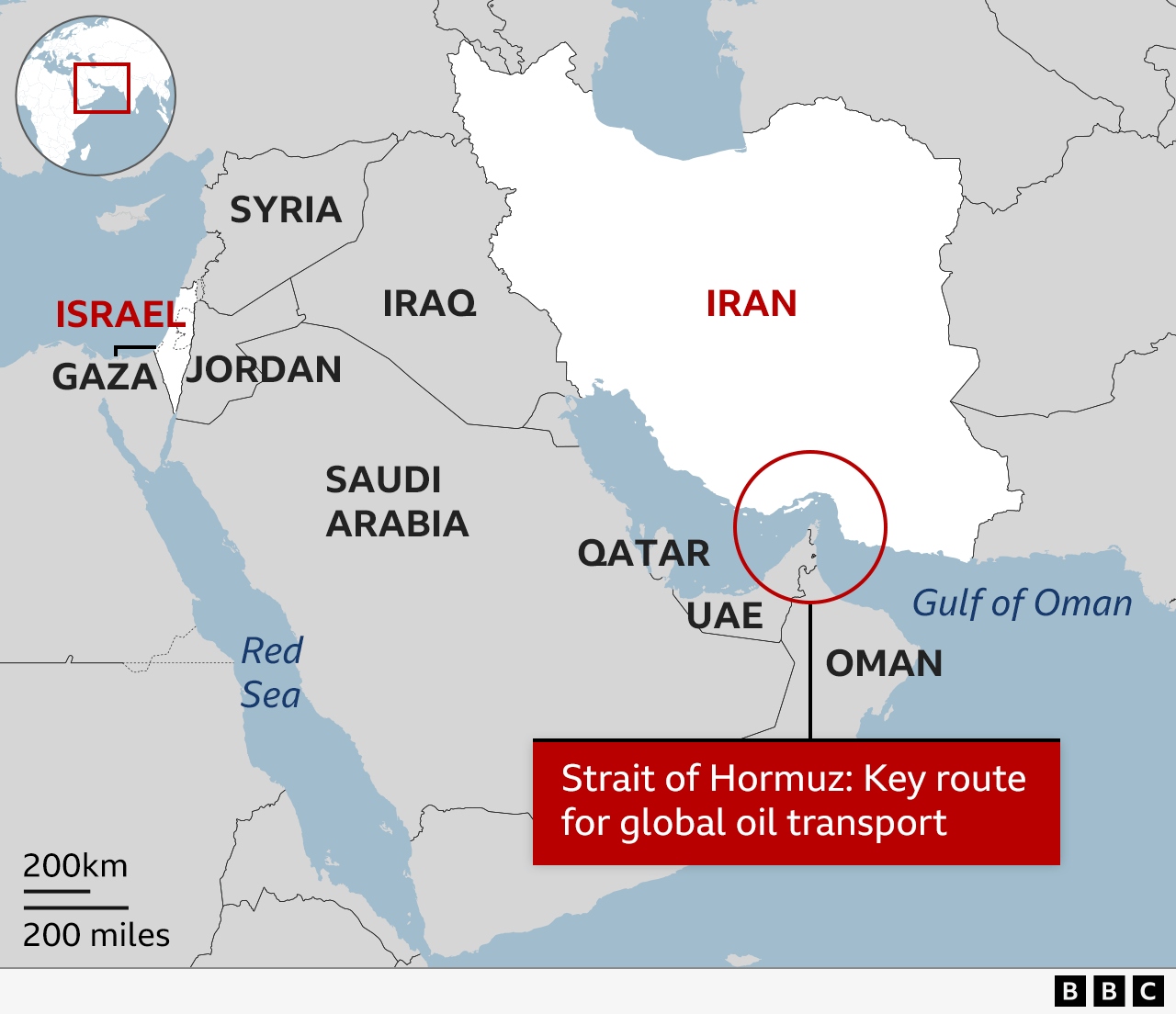
According to MarineTraffic, a leading provider of real-time vessel tracking data, the *Nord* departed Dubai on Friday, April 25, 2026, at approximately 14:30 local time. The 142-meter (466-foot) superyacht, one of the largest privately owned vessels in the world, then proceeded through the Strait of Hormuz—a narrow 21-mile-wide passage separating Iran from Oman—before docking in Muscat, Oman, on Sunday, April 27. The journey took roughly 48 hours, a duration consistent with the yacht’s cruising speed of 15–18 knots.

The *Nord*’s passage is particularly notable given the Iranian Revolutionary Guard Corps (IRGC)’s imposition of severe restrictions on maritime traffic in the strait since February 2026. The IRGC, a branch of Iran’s military designated as a terrorist organization by the U.S. And several other nations, has cited “security concerns” amid heightened tensions with Washington and its regional allies. The restrictions have effectively blocked most commercial shipping, including oil tankers, which typically account for 20% of global oil supplies passing through the strait.
Yet, the *Nord*’s journey appears to have proceeded without incident. Shipping data reviewed by World Today Journal shows no signs of delays, detours, or interactions with Iranian or U.S. Naval forces. This has led to speculation about how the vessel secured passage—a question that remains unanswered by Iranian, Omani, or Russian authorities.
Ownership and Sanctions: A Web of Obfuscation
The *Nord* is registered under Nordic Yards Ltd., a company incorporated in the British Virgin Islands (BVI), a jurisdiction known for its secrecy and lax transparency requirements. However, multiple investigations—including a 2023 report by the Organized Crime and Corruption Reporting Project (OCCRP)—have linked the yacht to Alexey Mordashov, a Russian steel and mining magnate with close ties to President Vladimir Putin.
Mordashov, the majority shareholder of Severstal, one of Russia’s largest steel producers, has been sanctioned by the UK, EU, and U.S. since March 2022, following Russia’s full-scale invasion of Ukraine. The sanctions freeze his assets and prohibit transactions with entities under his control. However, the *Nord* has never been seized, despite its clear association with Mordashov. Here’s partly because the yacht was transferred to a company owned by his wife, Marina Mordashova, in 2021, a move widely seen as an attempt to shield it from potential sanctions.
Western governments have struggled to enforce sanctions against assets held through complex offshore structures. As the Financial Times reported in 2023, “the use of shell companies, trusts, and flag-of-convenience registries has made it increasingly difficult to track—and seize—assets belonging to sanctioned Russian oligarchs.” The *Nord*’s passage through the Strait of Hormuz is the latest example of this enforcement gap.
Geopolitical Implications: Why the Strait of Hormuz Matters
The Strait of Hormuz is one of the most strategically important waterways in the world. Connecting the Persian Gulf to the Gulf of Oman and the Arabian Sea, it is the only maritime route for oil exports from Iraq, Kuwait, Bahrain, Qatar, and the United Arab Emirates. Approximately 21 million barrels of oil—roughly one-fifth of global consumption—pass through the strait daily, according to the U.S. Energy Information Administration (EIA).
Iran’s decision to restrict traffic in the strait since February 2026 has sent shockwaves through global energy markets. Oil prices have risen by 12% since the restrictions began, with Brent crude trading at $98 per barrel as of April 28, 2026—up from $87 in January. The U.S. And its allies have accused Iran of using the blockade as leverage in negotiations over its nuclear program and regional influence, while Tehran maintains the restrictions are necessary for “defensive purposes.”
The *Nord*’s passage raises questions about whether Iran is selectively enforcing its blockade, potentially allowing vessels with Russian connections to pass while blocking others. Russia and Iran have deepened their military and economic ties in recent years, with Moscow providing Tehran with advanced weaponry and Iran supplying Russia with drones used in its war against Ukraine. A BBC analysis from March 2026 noted that “the two nations have formed a de facto alliance, with Russia increasingly reliant on Iran for military support and Iran benefiting from Russian diplomatic cover at the United Nations.”
However, neither the Iranian Foreign Ministry nor the IRGC has commented on the *Nord*’s passage. The U.S. Navy’s Fifth Fleet, which patrols the region, also declined to comment, stating that it “does not discuss operational details.”
The Superyacht Industry: A Playground for the Sanctioned Elite
The *Nord* is not the first superyacht to become entangled in geopolitical controversies. Since Russia’s invasion of Ukraine in 2022, Western governments have seized or frozen at least 12 superyachts linked to Russian oligarchs, including:
- The *Dilbar* (owned by Alisher Usmanov, seized in Germany in 2022),
- The *Amore Vero* (linked to Igor Sechin, seized in France in 2022), and
- The *Scheherazade* (tied to an unnamed Russian billionaire, impounded in Italy in 2022).
Yet, many yachts remain beyond the reach of sanctions. The *Nord*, valued at £370 million (approximately $465 million), is one of the most luxurious vessels afloat. According to SuperYacht Fan, a database of superyacht specifications, the *Nord* features:
- A 20-meter swimming pool with a retractable floor,
- A two-story spa with a hammam and sauna,
- A helicopter pad and hangar,
- A 1,000-bottle wine cellar, and
- Accommodations for 36 guests and 54 crew members.
The yacht’s builder, Lürssen, a German shipyard with a reputation for constructing some of the world’s most exclusive vessels, has not commented on the *Nord*’s recent voyage. Lürssen has previously stated that it complies with all international sanctions, though critics argue that the superyacht industry’s reliance on flag-of-convenience registries (such as the BVI, Cayman Islands, or Marshall Islands) makes enforcement difficult.
What Happens Next? Unanswered Questions and Global Ramifications
The *Nord*’s passage through the Strait of Hormuz has left several critical questions unanswered:
- How did the *Nord* secure passage?
Was it a result of direct coordination between Russian and Iranian officials, or did the vessel exploit a loophole in the blockade? The lack of transparency from both countries suggests a deliberate effort to avoid scrutiny.
- Will Western governments respond?
The U.S. And EU have yet to issue statements on the incident, but analysts suggest it could prompt stricter enforcement of sanctions on yachts linked to Russian oligarchs. “This is a clear signal that sanctions are not working as intended,” said Tom Keatinge, Director of the Centre for Financial Crime and Security Studies at Chatham House. “If a £370 million yacht can sail through a war zone without consequence, what does that say about the effectiveness of our policies?”
The Strait of Hormuz Muscat Shipping - What does this indicate for global energy markets?
The Strait of Hormuz remains a flashpoint, and any escalation in tensions could disrupt oil supplies further. The *Nord*’s passage may embolden other sanctioned entities to test the limits of the blockade, potentially leading to higher volatility in oil prices.
- Is this a sign of deeper Russia-Iran cooperation?
If Iran granted the *Nord* passage as a favor to Russia, it could signal a new level of coordination between the two nations. This could have implications for nuclear negotiations, arms transfers, and regional security in the Middle East.

For now, the *Nord* remains docked in Muscat, with no immediate plans for its next destination. Shipping data suggests it may head to the Maldives or Seychelles, both popular destinations for superyachts seeking to avoid Western jurisdictions. However, its next move—and whether it will face any consequences for its recent voyage—remains uncertain.
Key Takeaways: What Readers Demand to Realize
- The *Nord*’s passage highlights gaps in sanctions enforcement. Despite being linked to a sanctioned Russian billionaire, the yacht has evaded seizure, raising questions about the effectiveness of Western sanctions.
- The Strait of Hormuz is a geopolitical powder keg. Iran’s blockade has disrupted global oil supplies, and the *Nord*’s voyage suggests selective enforcement, potentially favoring Russian interests.
- Superyachts are a symbol of oligarchic wealth—and resilience. The industry’s reliance on offshore registries and shell companies makes it difficult for governments to track and seize assets.
- Russia and Iran’s deepening alliance could have global consequences. If the *Nord*’s passage was a result of coordination between the two nations, it could signal a new phase in their partnership, with implications for energy markets and regional security.
What’s Next?
As of April 28, 2026, there are no confirmed reports of further action against the *Nord* or its owner. However, the incident is likely to feature in upcoming discussions at the G7 summit in June, where leaders are expected to address sanctions enforcement and energy security. In the meantime, global markets will be watching the Strait of Hormuz closely, as any further disruptions could send oil prices soaring.
For updates on this developing story, follow World Today Journal’s Business section and sign up for our daily newsletter. Have thoughts on the *Nord*’s voyage or the broader implications of sanctions? Share your comments below and join the conversation on X and LinkedIn.