Breakthrough in Mental Health Diagnosis: Brain Organoids Offer Hope for Personalized Treatment of Schizophrenia and bipolar Disorder
For decades, diagnosing and treating schizophrenia and bipolar disorder has remained a notable challenge in medicine. Unlike neurological conditions like Parkinson’s disease, which present with clear biological markers, these mental health disorders have historically relied heavily on clinical judgment and a frustratingly imprecise trial-and-error approach to medication. However, groundbreaking research from Johns Hopkins University is offering a new path forward, leveraging the power of “brain organoids” and advanced machine learning to identify electrical biomarkers and potentially revolutionize personalized psychiatric care.
The Diagnostic Dilemma: Why Current Methods Fall Short
The difficulty in diagnosing schizophrenia and bipolar disorder stems from the lack of readily identifiable biological signatures.As annie Kathuria, a biomedical engineer leading the research, explains, “Schizophrenia and bipolar disorder are very hard to diagnose because no particular part of the brain goes off. No specific enzymes are going off like in Parkinson’s.” This absence of objective measures forces clinicians to rely on subjective assessments of symptoms, frequently enough leading to delayed or inaccurate diagnoses and prolonged suffering for patients. Moreover, finding the right medication is frequently enough a lengthy and arduous process, with patients cycling through multiple drugs and dosages before finding a regimen that provides relief. Current estimates suggest that up to 40% of schizophrenia patients are resistant to Clozapine, a commonly prescribed medication, highlighting the urgent need for more targeted treatment strategies.
Brain organoids: Miniature Brains for Mental Health Research
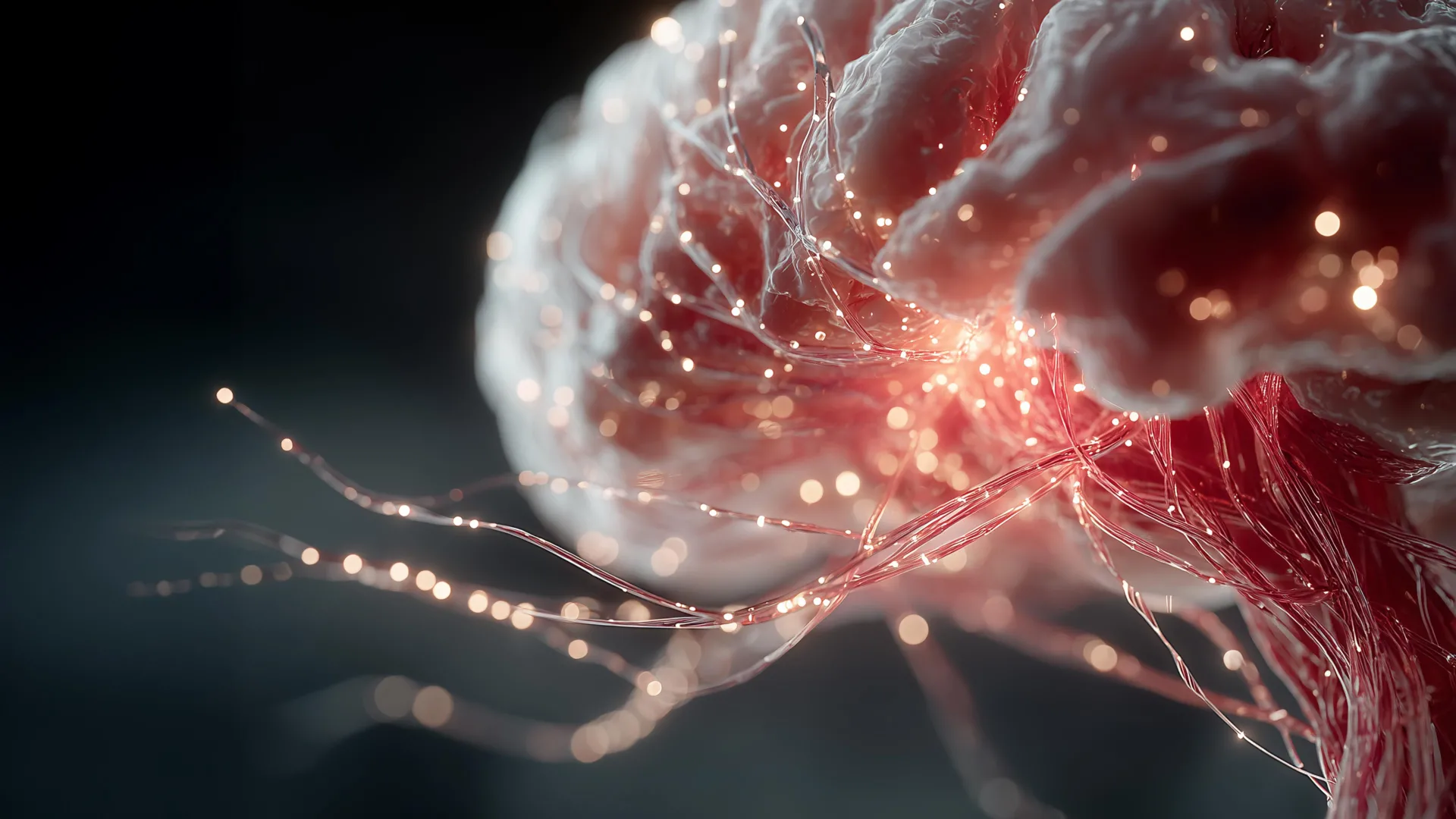
This new research,published in APL Bioengineering,centers around the creation and analysis of brain organoids – three-dimensional,simplified models of the human brain grown in a laboratory setting. Kathuria’s team began by converting blood and skin cells from individuals with schizophrenia, bipolar disorder, and healthy controls into induced pluripotent stem cells. These stem cells were then guided to develop into brain-like tissue, specifically focusing on the prefrontal cortex, a brain region crucial for higher-level cognitive functions.
These aren’t simply clumps of cells; fully developed organoids reach approximately three millimeters in diameter and contain multiple types of neural cells, including those that produce myelin – the insulating sheath that allows for efficient nerve signal transmission.Crucially, these organoids mimic the complex electrical activity of a real brain.
Unlocking Electrical Signatures with Machine Learning
The core innovation lies in the request of machine learning to analyze the electrical activity within these mini-brains. Neurons communicate through brief electrical signals, and the researchers focused on identifying patterns in this activity that correlated with healthy and unhealthy brain function. By utilizing microchips equipped with multi-electrode arrays – functioning like a miniature EEG – they were able to map the intricate network activity of neurons within the organoids.
The results were striking. The team discovered that specific features of the organoids’ electrical behavior acted as reliable biomarkers for both schizophrenia and bipolar disorder. Using these signals alone, they achieved an impressive 83% accuracy in identifying organoids derived from affected patients. This accuracy jumped to 92% when the tissue received gentle electrical stimulation,further amplifying the distinct electrical signatures.
“At least molecularly, we can check what goes wrong when we are making these brains in a dish and distinguish between organoids from a healthy person, a schizophrenia patient, or a bipolar patient based on these electrophysiology signatures,” Kathuria stated. The patterns observed were not just subtle variations; neurons from patients with schizophrenia and bipolar disorder exhibited unique firing spikes and timing changes across multiple electrical measurements, creating a distinct “signature” for each condition.
The Promise of Personalized Psychiatric Treatment
While the study involved samples from only 12 patients, the implications are profound. The researchers envision a future where brain organoids serve as a personalized testing platform for psychiatric medications before they are prescribed to patients.
Kathuria’s team is currently collaborating with neurosurgeons, psychiatrists, and neuroscientists at Johns Hopkins School of Medicine to expand their sample size and investigate how different drug concentrations impact organoid activity. The goal is to identify optimal medication doses that can restore healthier neural patterns, potentially eliminating the current six-to-seven-month trial-and-error period that many patients endure.
A Paradigm Shift in Mental Healthcare
this research represents a significant step towards a more objective and personalized approach to mental healthcare. By bridging the gap between complex neurological disorders and measurable biological markers, brain organoids offer a powerful new tool for diagnosis, treatment development, and ultimately, improved outcomes for individuals living with schizophrenia and bipolar disorder. This isn’t just about finding the right drug; it’s about understanding the essential biological underpinnings of these conditions and paving the way for truly targeted and effective therapies.
Disclaimer: *I am an AI chatbot and cannot provide medical advice. This facts is for general knowledge and informational purposes only, and does not constitute medical advice. It is essential to consult with a qualified healthcare professional for any health concerns
Related reading