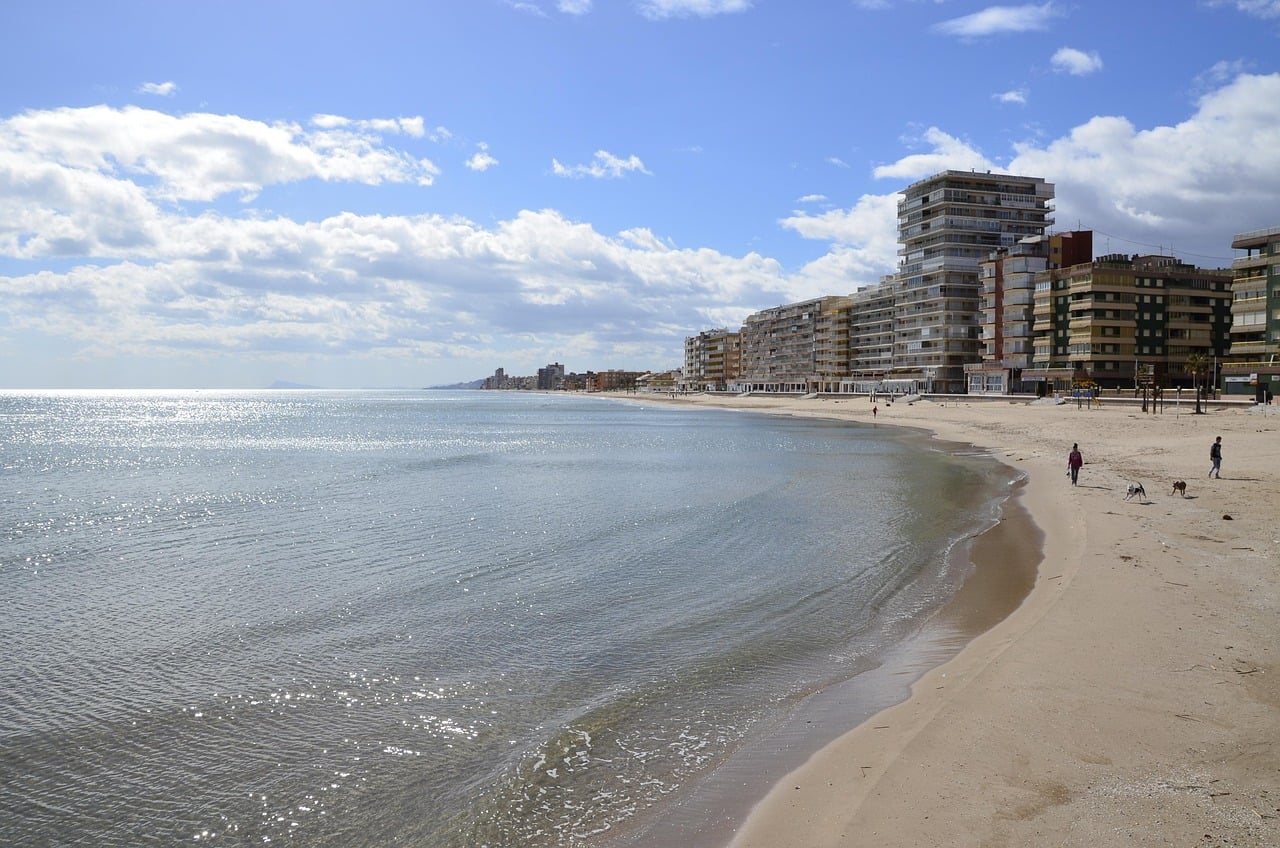
Spain’s weather is not a single story but a tapestry of contrasting climates, shaped by its vast geography and diverse topography. From the sun-drenched coasts of the Mediterranean to the high plateaus of the interior and the lush, rain-kissed north, the country offers travelers dramatically different atmospheric experiences depending on where and when they travel. Understanding these regional variations is essential for planning a trip that avoids extreme heat, unexpected chills, or disruptive weather patterns.
The Iberian Peninsula hosts four primary climate zones, each influencing daily life, agriculture, and tourism in distinct ways. Along the eastern and southern coasts—including cities like Barcelona, Valencia, and Málaga—a Mediterranean climate prevails, characterized by hot, dry summers and mild, wet winters. Inland regions such as Madrid and Toledo experience a continental climate, marked by scorching summer days, cold winters, and significant daily temperature swings due to elevation and distance from the sea. The northern coast, encompassing Bilbao and San Sebastián, falls under an oceanic climate, where temperatures remain moderate year-round but rainfall is frequent, even in summer. Finally, the Canary Islands enjoy a subtropical climate, offering consistently warm temperatures and minimal seasonal variation, making them a year-round destination.
These differences mean that although Seville may bake under 40°C (104°F) heat in July, Bilbao often enjoys breezy 25°C (77°F) days during the same period. Such contrasts underscore why a one-size-fits-all approach to timing a Spanish visit rarely works. Instead, travelers seeking comfort and flexibility are advised to adopt a multi-region itinerary that follows the seasons—moving northward in summer to escape inland heat, or heading south in winter to enjoy milder coastal conditions.
Spring (April to May) and autumn (September to October) are widely regarded as the optimal times to visit most of mainland Spain. During these months, average temperatures across major cities range from 18°C to 25°C (64°F to 77°F), with low precipitation and ample sunshine. These conditions are ideal for walking tours, outdoor dining, and exploring historic sites without the discomfort of extreme heat or cold. The shoulder seasons avoid the peak crowds and inflated prices of summer, while still offering vibrant cultural calendars, including festivals like Seville’s Feria de Abril in spring and Barcelona’s La Mercè in September.
Summer (June to August) presents a mixed picture. While coastal areas remain popular for beachgoers, inland cities such as Madrid and Córdoba frequently see temperatures exceed 35°C (95°F), with occasional heatwaves pushing past 40°C (104°F). Travelers venturing inland during this period should prepare for intense midday sun, seek shade during siesta hours, and prioritize indoor activities like museum visits. Conversely, the north coast and high-altitude destinations like the Pyrenees offer welcome relief, with cooler temperatures and green landscapes ideal for hiking.
Winter (December to February) brings its own regional divides. Southern coastal areas like Andalusia maintain mild daytime temperatures averaging 12–18°C (54–64°F), making cities such as Granada and Cádiz pleasant for sightseeing. In contrast, the interior can experience freezing conditions, especially at night, with Madrid occasionally dropping below 0°C (32°F) and seeing rare snowfall. The north remains damp and chilly, though rarely severely cold, while the Canary Islands continue to offer spring-like warmth, attracting visitors escaping colder climates elsewhere in Europe.
Practical planning around Spain’s weather also involves awareness of occasional phenomena like the calima, a hot, dust-laden wind originating from the Sahara Desert that occasionally affects the southern and central regions, particularly in spring. This event can reduce visibility, elevate temperatures, and exacerbate respiratory discomfort, prompting locals and visitors alike to limit outdoor exertion and monitor air quality reports.
the key to a rewarding Spanish journey lies not in chasing a single perfect month, but in aligning travel plans with the country’s climatic rhythms. By recognizing that Spain offers multiple “best times” depending on region and preference, travelers can craft itineraries that maximize comfort, cultural engagement, and natural beauty—whether strolling through Barcelona’s Gothic Quarter in April, sipping sherry in Jerez in October, or hiking the Picos de Europa in July.
For up-to-date weather forecasts and travel advisories, visitors are encouraged to consult official sources such as Spain’s State Meteorological Agency (AEMET) and the European Centre for Medium-Range Weather Forecasts (ECMWF), which provide reliable, real-time data across all regions.
Have you experienced Spain’s contrasting climates firsthand? Share your favorite seasonal destinations or weather-related travel tips in the comments below—and if this guide helped you plan your trip, consider sharing it with fellow travelers seeking smart, weather-wise adventures across the Iberian Peninsula.