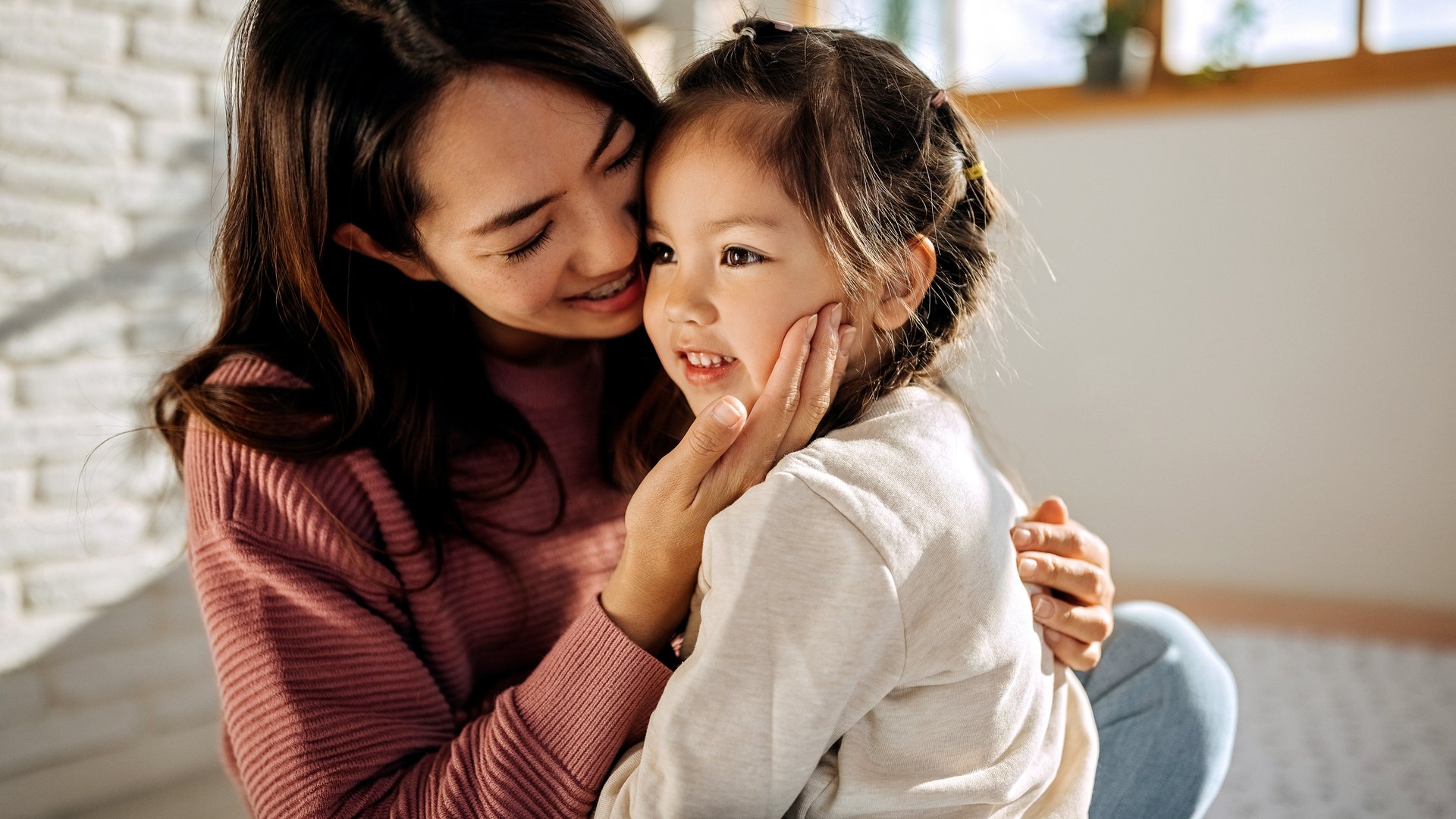
For any parent or caregiver, the experience of raising a child often feels like navigating an unpredictable emotional landscape. Within a single afternoon, a child can pivot from the heights of exuberant joy to the depths of overwhelming frustration or profound sadness. To an adult, these rapid shifts can seem erratic, but they are, in fact, the primary way children interact with and understand the world around them.
This intensity is not a behavioral flaw; it is a developmental necessity. Early childhood is the critical window during which humans build the foundation for emotional intelligence. By learning to identify, express, and manage these powerful psychic sensations, children develop the emotional competence required for healthy adult relationships and personal stability. Supporting children’s emotional development is not simply about calming a tantrum in the moment, but about providing the linguistic and emotional tools they will use for the rest of their lives.
The process of emotional growth is complex and deeply influenced by the adults who act as mirrors for a child’s experience. When a caregiver validates a child’s feeling—whether that feeling is happiness or anger—they are providing a form of “verbal hug” that signals to the child that their internal experience is seen, understood, and acceptable.
The Mechanics of Emotion: From Stimulus to Behavior
To support a child, it is first necessary to understand what feelings actually are. Scientifically, feelings are described as different psychic sensations that result from the processing of stimuli according to pedagogical insights from Pro-Kita. In common language, the terms “feelings” and “emotions” are often used interchangeably.
These internal states are not passive; they are drivers of behavior. For example, the emotion of sadness typically manifests as crying, while joy results in laughter. For children, these reactions are often immediate and intense because they have not yet developed the cognitive filters that adults use to regulate their expressions. This immediacy is why emotional competence—the ability to recognize and steer these emotions—must be actively acquired through experience and guidance.
The Roadmap of Emotional Development
Emotional growth does not happen all at once; it follows a developmental trajectory that begins at birth. Even infants display basic emotions such as joy, anger, or sadness, often reacting instinctively to the facial expressions and tones of their primary caregivers as detailed by Wichtel München.
As children move into the toddler years, typically between ages two and three, they often enter a phase characterized by defiance and intense emotional outbursts. This period is crucial because it is where children first encounter the tension between their own will and the limitations of their environment. While this stage is often challenging for parents, it is where children learn the vital skill of handling disappointment and frustration. Data suggests that this age group experiences the highest frequency of temper tantrums as they struggle to control their reactions to frustration.
By the time a child reaches kindergarten age, a shift occurs. They begin to develop a more nuanced understanding of both their own emotions and the feelings of others. This period marks the transition toward better emotion regulation, where the child starts to move from purely reactive behavior to a more controlled expression of their needs.
The Power of Naming: How Verbal Support Shapes Growth
One of the most significant hurdles for a young child is that they often feel an emotion without understanding what it is. This gap between feeling and understanding can lead to a sense of being overwhelmed. This is where the role of the adult becomes essential: by naming the emotion, the adult helps the child categorize and understand their internal state via Concordia.
For instance, if a child is upset because they cannot have a toy that another child is using, a caregiver might say: “You would really like to have the digger that the other child is playing with. Because you can’t have it right now, that makes you feel sad.” This simple act of labeling transforms a chaotic internal sensation into a manageable concept. Once a feeling is named, it becomes something that can be discussed and dealt with, rather than something that simply controls the child’s behavior.
Crucially, this support must extend to all emotions. While society often prioritizes “positive” emotions like joy, enthusiasm, and pride, “negative” emotions like anger, sadness, and frustration are equally valuable. When children learn that all feelings are “okay” and allowed to exist, they develop a healthier relationship with their own psyche. Validating a child’s anger does not imply approving of a destructive behavior (such as hitting), but it does mean acknowledging that the feeling of anger itself is legitimate.
Breaking Societal Stereotypes in Emotional Learning
The path to emotional competence is often obstructed by societal expectations and gender stereotypes. Persistent beliefs, such as the idea that “boys should not cry” or that “girls should not be aggressive,” can severely limit a child’s emotional development as noted by Concordia.

When children are discouraged from expressing certain emotions based on their gender, they may learn to suppress those feelings rather than process them. This suppression can hinder their ability to develop genuine emotion regulation and empathy. Encouraging all children, regardless of gender, to express their full range of emotions—including vulnerability and frustration—is essential for creating emotionally resilient adults.
Key Takeaways for Supporting Emotional Growth
- Validate All Emotions: Ensure children know that joy, anger, sadness, and frustration are all acceptable and normal experiences.
- Label the Feeling: Help children identify what they are feeling by naming the emotion in the context of the situation.
- Understand the Timeline: Recognize that intense outbursts in toddlers (ages 2-3) are a normal part of learning to handle disappointment.
- Challenge Stereotypes: Avoid gender-based restrictions on emotional expression to allow for full emotional development.
- Model Behavior: Since children learn by observing, adults should demonstrate healthy ways of recognizing and managing their own emotions.
the goal of supporting a child through these emotional milestones is the achievement of emotional competence. This involves three core pillars: emotion expression (the ability to show feelings), emotion understanding (the ability to identify feelings), and emotion regulation (the ability to manage those feelings). When these three elements are developed, children are better equipped for social interaction, learning, and the complexities of adult life.
As children continue to grow, the focus shifts from the adult naming the emotion to the child being able to do it independently. This transition is the hallmark of a successful emotional education, turning the “verbal hugs” of childhood into a lifelong internal toolkit for resilience.
For those seeking further guidance on early childhood development, official pediatric guidelines and educational resources on emotional literacy provide ongoing frameworks for supporting a child’s growth.
We invite our readers to share their experiences in the comments: How do you help your children navigate their biggest emotions? Share your thoughts and join the conversation.
Related reading