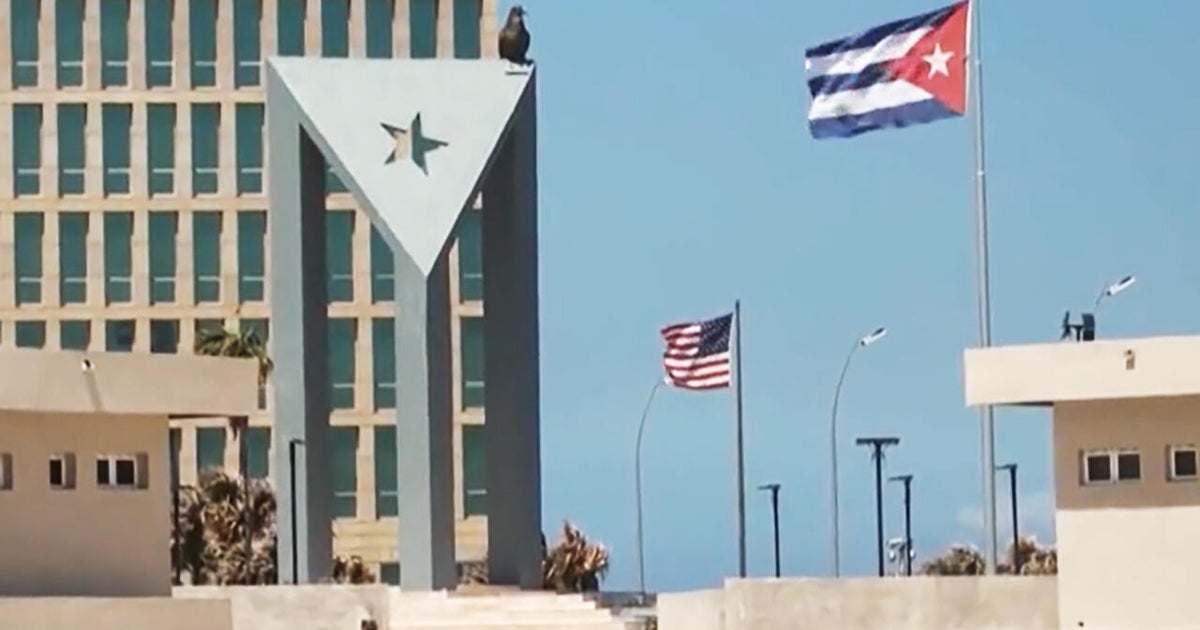
For nearly seven decades, the relationship between the United States and Cuba has been defined by ideological confrontation, economic sanctions, and intermittent diplomatic overtures. Located just 90 miles from the Florida Keys, Cuba has remained a persistent focus of American foreign policy, shaping regional dynamics and influencing domestic politics in both nations. The enduring nature of this conflict has outlived multiple administrations on both sides and continues to evolve in response to shifting global circumstances.
The roots of U.S.-Cuban tension trace back to the 1959 Cuban Revolution, when Fidel Castro’s revolutionary movement overthrew the U.S.-backed government of Fulgencio Batista. In the years that followed, Washington imposed a comprehensive economic embargo, severed diplomatic ties, and supported various efforts to isolate or remove Castro’s government, including the failed Bay of Pigs invasion in 1961. These actions solidified a pattern of confrontation that would define bilateral relations for generations.
More recently, the rhetoric surrounding Cuba has resurfaced in American political discourse, particularly during the 2024 presidential campaign, when former President Donald Trump referenced the idea of “taking Cuba” in public statements. While such remarks were widely interpreted as rhetorical or provocative, they underscored the continued salience of Cuba in U.S. Political debates, even as the island nation navigates its own internal reforms and economic challenges.
Despite the passage of time and the death of Fidel Castro in 2016, the core issues at the heart of the U.S.-Cuban divide—sovereignty, ideology, and strategic proximity—remain largely unresolved. Diplomatic engagement has fluctuated, with periods of rapprochement under Presidents Obama and Biden alternating with renewed restrictions under Trump. As of April 2026, the United States maintains its embargo on Cuba, though limited avenues for remittances, travel, and humanitarian engagement persist under specific conditions.
Historical Flashpoints in U.S.-Cuban Relations
Several key events have marked the trajectory of U.S.-Cuban relations since the revolution. The Cuban Missile Crisis of 1962 brought the world to the brink of nuclear war after the discovery of Soviet ballistic missiles on the island, prompting a tense 13-day standoff between Washington and Moscow. The crisis ended with a secret agreement in which the USSR removed its missiles from Cuba in exchange for a U.S. Pledge not to invade the island and the quiet removal of American Jupiter missiles from Turkey.
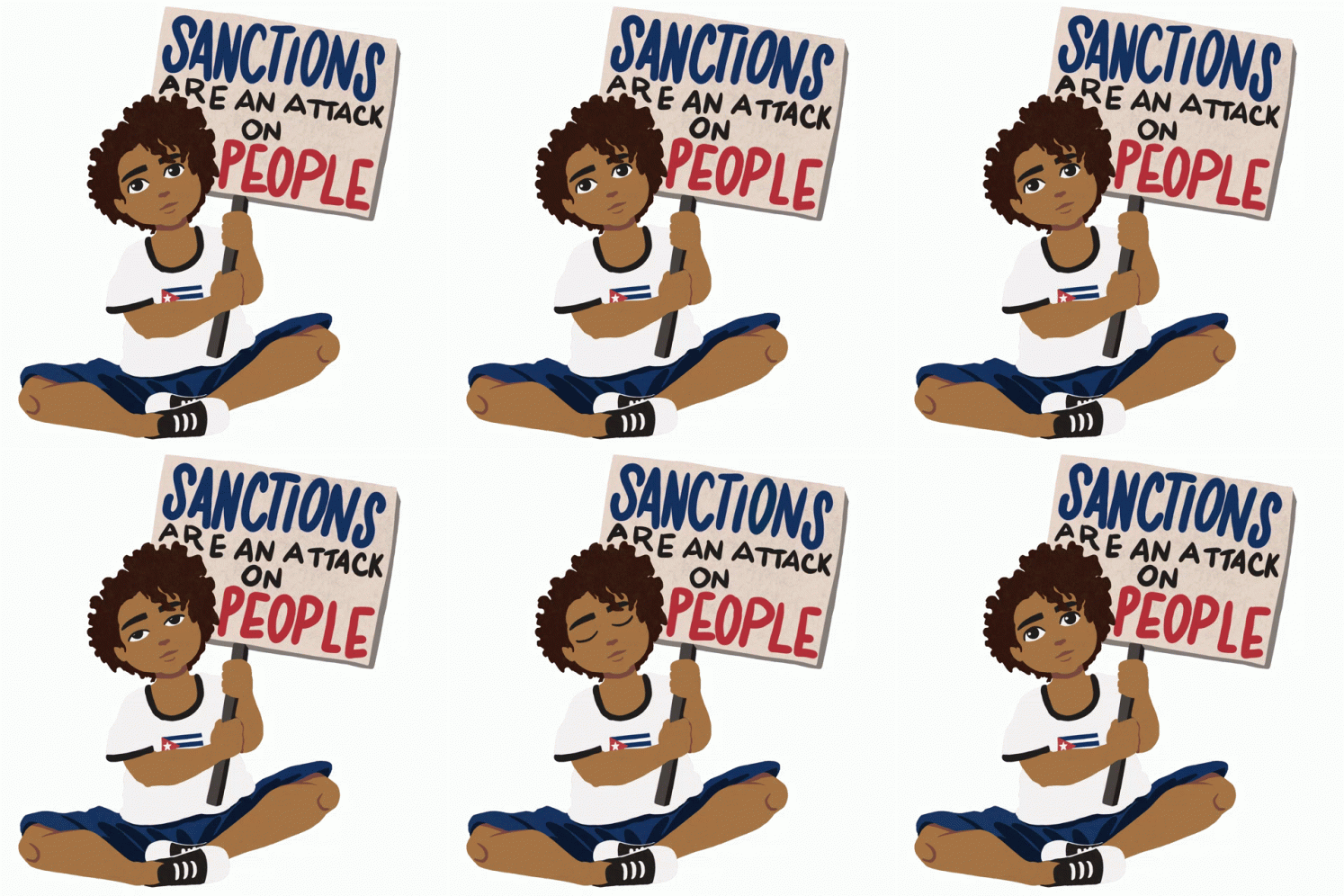
In the decades that followed, the U.S. Maintained its embargo through legislation such as the Cuban Democracy Act of 1992 and the Helms-Burton Act of 1996, which codified sanctions into law and sought to deter foreign investment in Cuba. These measures were periodically adjusted, with the Obama administration easing certain restrictions in 2014–2016, including the restoration of diplomatic relations and the reopening of embassies in Washington and Havana. But, many of these changes were reversed or curtailed during the Trump administration, which reinstated travel and business restrictions citing concerns over human rights and Cuba’s support for regional allies like Venezuela.
More recently, waves of Cuban migration to the United States—particularly notable in 2021 and 2022 amid economic hardship and political unrest—have drawn renewed attention to the humanitarian dimensions of the conflict. The Biden administration has responded with limited adjustments, including the resumption of family reunification parole processing and increased support for Cuban civil society, though the broader embargo remains in place.
Current Status and Diplomatic Outlook
As of April 2026, formal diplomatic relations between the United States and Cuba continue, though engagement remains constrained by longstanding legislative barriers and mutual distrust. The U.S. State Department maintains an interest section in Havana through its embassy, while Cuba’s embassy in Washington operates with a reduced staff. High-level dialogue occurs infrequently, typically through backchannel communications or during multilateral forums such as the United Nations General Assembly, where Cuba regularly presents resolutions calling for an end to the U.S. Embargo.
Economic restrictions continue to affect Cuba’s access to international finance, technology, and global markets, contributing to ongoing shortages and inflation. Meanwhile, U.S. Policymakers remain divided on the efficacy of the embargo, with some arguing it pressures the Cuban government toward reform, while others contend it disproportionately harms the Cuban population and fails to achieve its stated objectives.

Looking ahead, the next scheduled review of U.S. Policy toward Cuba is expected to occur in late 2026, as part of the annual reporting process required under the Helms-Burton Act. This review will assess compliance with conditions for potential adjustments to sanctions and will be informed by reports from the State Department and the Secretary of State. No major policy shifts are anticipated without legislative action, but the process offers a formal opportunity for evaluation based on current conditions on the island.
The U.S.-Cuban relationship remains one of the most enduring and complex in modern American foreign policy. While the personalities and tactics have changed over time, the fundamental tension between sovereignty and influence, ideology and engagement, continues to shape the trajectory of both nations. For readers seeking to understand this evolving dynamic, official updates from the U.S. Department of State and the Embassy of Cuba in Washington provide the most authoritative sources of information.
Related reading