Medical data belonging to approximately half a million participants in UK Biobank has been offered for sale on a Chinese website, according to multiple news reports citing government statements. The breach involves biological, health and lifestyle information collected over years from volunteers across Britain, raising significant concerns about data security and privacy protections for large-scale biomedical research initiatives.
UK Biobank, which stores detailed genetic and health information from 500,000 participants aged 40-69 recruited between 2006 and 2010, confirmed that unauthorized access led to some of its data being listed for sale online. The organization stated it became aware of the issue after monitoring detected suspicious activity related to its datasets, prompting an immediate internal review and notification to relevant authorities including the UK Information Commissioner’s Office.
According to statements from UK government officials referenced in news coverage, the specific data exposed includes biological samples, health records and lifestyle questionnaires but does not appear to contain directly identifiable personal information such as names, addresses or national insurance numbers. However, experts warn that even de-identified genomic and health data could potentially be re-identified when combined with other available information sources.
The incident has triggered renewed scrutiny of data protection measures surrounding major biobanks and genomic databases worldwide. UK Biobank said it is working with cybersecurity specialists to strengthen its defenses, including implementing enhanced monitoring systems, reviewing access protocols and accelerating plans for additional encryption layers on sensitive data tiers.
Understanding the UK Biobank Data Resource
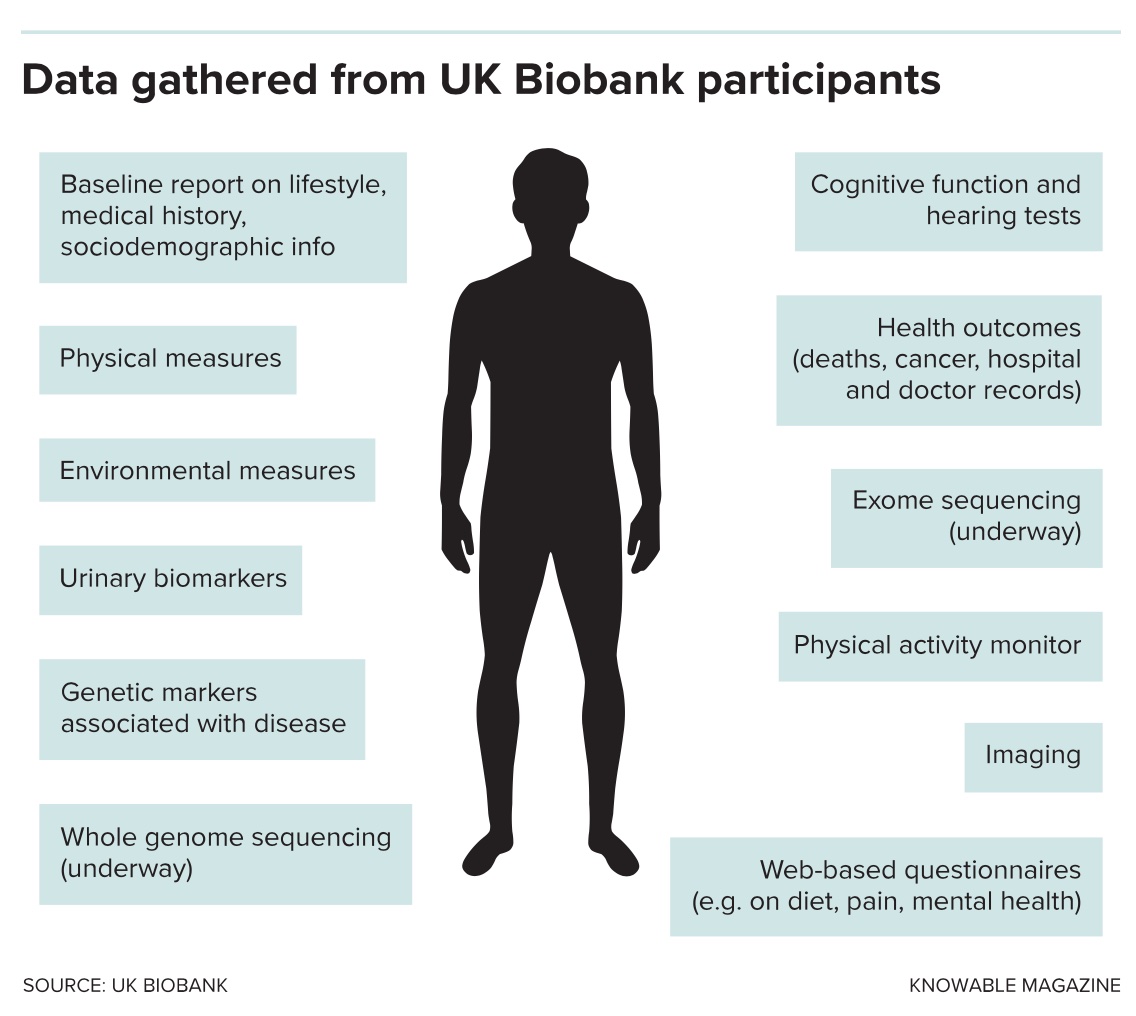
UK Biobank represents one of the most comprehensive biomedical databases globally, containing detailed information contributed by half a million British volunteers. Participants provided blood, urine and saliva samples for genetic analysis, alongside comprehensive questionnaires covering diet, exercise, mental health, work history and environmental exposures. The resource also includes longitudinal health tracking through electronic health records linkage.
Researchers worldwide access UK Biobank data under strict governance arrangements to study the determinants of serious illnesses including cancer, heart disease, diabetes and neurodegenerative conditions. Since its inception, the resource has supported over 30,000 research projects leading to numerous scientific publications about disease risk factors, treatment responses and genetic associations.
The organization emphasizes that participant consent specifically covers health-related research use, with explicit prohibitions against commercial exploitation or insurance underwriting applications. Any unauthorized distribution of this data violates both the trust placed in UK Biobank by participants and the legal framework governing its operation under UK data protection laws.
Response and Ongoing Security Measures
Following discovery of the breach, UK Biobank implemented immediate containment steps including forensic analysis of access logs, resetting of compromised credentials and temporary restriction of certain data access points while investigations continue. The organization has engaged external cybersecurity firms to conduct penetration testing and vulnerability assessments across its infrastructure.
In statements to media outlets, UK Biobank leadership confirmed cooperation with the National Cyber Security Centre (NCSC) and data protection regulators to identify how the breach occurred and prevent recurrence. They noted that while the incident appears limited to a specific subset of data preparation environments, all systems are undergoing comprehensive security reviews.
Longer-term enhancements being prioritized include multi-factor authentication for all privileged access roles, network segmentation to isolate sensitive data repositories and real-time anomaly detection systems capable of flagging unusual data transfer patterns. The organization also plans to expand participant communication about the incident and available support resources.
Implications for Biomedical Data Security
This incident highlights persistent challenges in securing large-scale genomic and health databases against increasingly sophisticated cyber threats. Unlike financial data that can be cancelled and replaced, biological information such as DNA sequences represents permanent personal attributes that, if compromised, cannot be altered or reissued.
Data protection specialists note that while UK Biobank employs pseudonymization techniques to separate identifying information from health data, advances in machine learning and data linkage capabilities continue to evolve the risk landscape for re-identification. The event underscores the necessitate for continuous investment in security infrastructure proportionate to the enduring value and sensitivity of biomedical datasets.
Internationally, similar initiatives including the US All of Us Research Program, Estonia’s Biobank and Japan’s BioBank Network are reviewing their own security postures in light of this incident. Industry groups such as the Global Alliance for Genomics and Health are expected to issue updated guidance on cloud security practices and third-party vendor risk management for research consortia.
What Participants Should Know
UK Biobank has established dedicated communication channels for concerned participants, including a specific email address and telephone helpline staffed during business hours. The organization confirms that no financial data, service usage records or direct identifiers were included in the exposed datasets based on current forensic analysis.

Participants are advised to remain vigilant against potential phishing attempts exploiting awareness of the breach, though UK Biobank states it will never request passwords or sensitive personal information via unsolicited communications. Official updates will continue to be distributed through the participant portal and registered email addresses on file.
The organization reiterates its commitment to transparency throughout the investigation process, promising to share verified findings as they become available while maintaining the confidentiality necessary for ongoing security work. Independent audits of the incident response are expected to be commissioned in the coming months.
As of the latest verified statements, UK Biobank maintains that its core research database remains secure and operational for authorized scientific use, with no evidence suggesting ongoing unauthorized access or additional data exposures beyond those initially identified. The incident serves as a reminder of the critical importance of robust, continuously updated security measures for safeguarding irreplaceable public health resources.