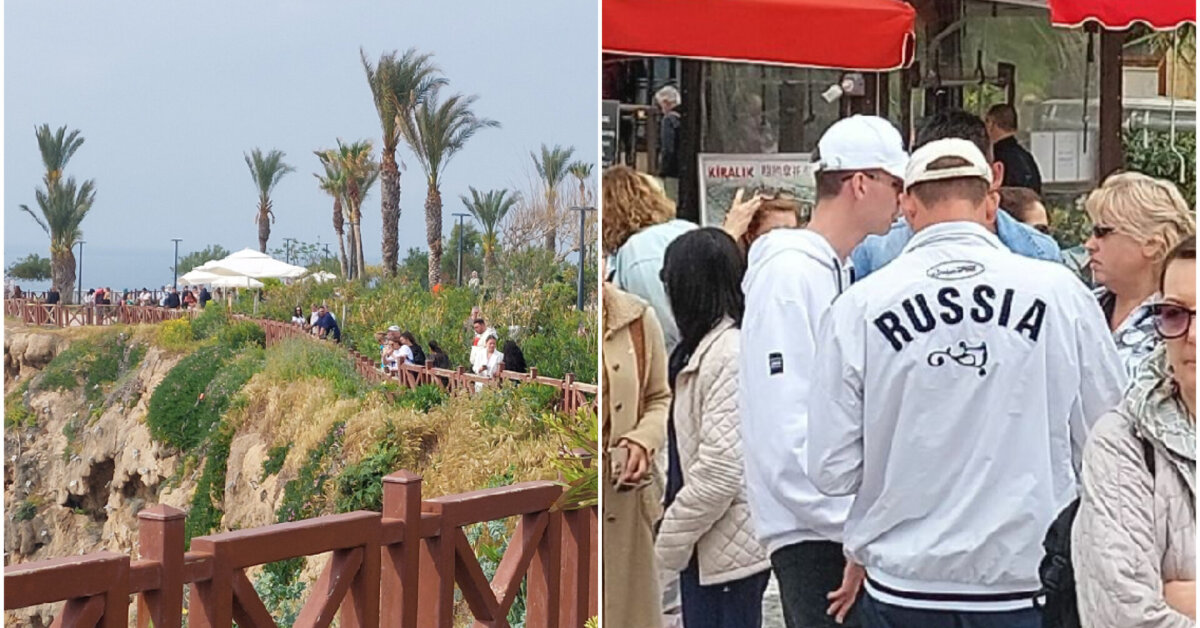
In recent months, a growing number of Lithuanian travelers have been sharing their experiences of vacationing in Turkey, particularly in the Antalya region, where they report encountering significant numbers of Russian tourists. These accounts, shared through personal blogs and social media, describe a noticeable presence of Russian visitors in popular resort areas such as Alanya, Kemer, Side, and Belek. One Lithuanian traveler, who chose to remain anonymous, recounted her solo trip to Turkey in early 2024, explaining that she sought a change of scenery and the opportunity to work remotely while enjoying the Mediterranean climate. She noted that the absence of daily distractions and the structured rhythm of her days—mornings spent working on her laptop in quiet cafes, afternoons by the sea, and evenings dedicated to focused work—allowed her to recharge mentally and professionally.
Her experience reflects a broader trend among some Lithuanian tourists who view Turkey not only as a destination for leisure but also as a practical environment for remote work, combining affordability, reliable internet access, and a welcoming atmosphere for digital nomads. However, several travelers have expressed discomfort upon realizing the extent to which Russian tourists dominate certain coastal resorts. In interviews with Lithuanian media outlets, visitors have described feeling uneasy when hearing Russian spoken frequently in public spaces, seeing Russian-language signage, or observing large groups of Russian nationals at beaches, hotels, and restaurants. Some have questioned whether they can truly “escape” the geopolitical realities of the ongoing conflict in Ukraine while vacationing in destinations so heavily frequented by Russian citizens.
These observations are supported by verified data on flight arrivals to Antalya Airport. According to reports from Delfi Lithuania, on a single Saturday morning in May 2024, as many as 17 flights arrived from various Russian cities within a three-hour window. These flights originated from major airports including Moscow’s Vnukovo and Sheremetyevo, St. Petersburg, Sochi, Ufa, Yekaterinburg, Krasnoyarsk, Tyumen, Orenburg, and Kazan. The report emphasized that Russian tourists constitute the largest group of international visitors to the Antalya region, a fact confirmed by airport officials and local tourism authorities. While flights from Belarus, Poland, Germany, the Czech Republic, and North Macedonia also arrive regularly, their numbers are significantly lower compared to those from Russia.
The prominence of Russian tourism in Turkey has drawn attention not only from fellow travelers but also from geopolitical analysts. In a 2022 analysis published by LRT.lt, experts noted that Turkey serves as one of the few remaining channels of economic and diplomatic engagement between Russia and Western countries amid international sanctions following Russia’s full-scale invasion of Ukraine. Turkish President Recep Tayyip Erdoğan has maintained a balancing act in foreign policy, engaging with both Kyiv and Moscow while advocating for dialogue. During a meeting with Russian President Vladimir Putin in Sochi in August 2022, Erdoğan confirmed that five Turkish banks had begun accepting Russia’s Mir payment system, enabling Russian tourists to use their cards for purchases in Turkey after Visa and Mastercard suspended operations in Russia due to sanctions.
This development has practical implications for travelers from countries like Lithuania, where many businesses and accommodations now accept Mir cards to cater to Russian visitors. While this facilitates tourism and economic exchange, it also means that Lithuanian tourists may encounter Russian payment systems in use during their stays, further highlighting the deepening tourism ties between Turkey and Russia despite broader geopolitical tensions. Turkish officials have consistently emphasized that tourism remains a vital sector of the national economy, contributing significantly to employment and foreign exchange earnings. Authorities in Antalya have reported record-breaking visitor numbers in recent seasons, with international arrivals surpassing pre-pandemic levels in 2023 and continuing to rise in 2024.
For Lithuanian travelers considering a trip to Turkey, the experience can vary widely depending on personal expectations and tolerance for cultural and linguistic environments. Those seeking solitude or a break from the pressures of daily life may still identify value in the country’s coastal towns, especially outside peak tourist seasons or in less crowded areas. However, the reality of encountering large numbers of Russian tourists in major resorts is challenging to ignore, particularly given the ongoing war in Ukraine and Lithuania’s strong stance in support of Ukrainian sovereignty. Some travelers have admitted that while they appreciated the weather, food, and affordability, the constant reminder of the geopolitical context made it difficult to fully disconnect.
As of April 2023, Turkey has maintained its position as a key destination for Russian outbound tourism, with monthly arrivals from Russia regularly exceeding 200,000 visitors during peak summer months, according to data from Turkey’s Ministry of Culture and Tourism. These figures underscore the scale of the phenomenon and help explain why Lithuanian tourists frequently report feeling immersed in a Russian-speaking environment during their stays. While Turkey continues to welcome visitors from all over the world, the dominance of Russian tourism in certain regions remains a defining characteristic of the current travel landscape along the Turkish Riviera.
For the latest updates on travel advisories and entry requirements for Turkey, visitors are encouraged to consult the official website of the Republic of Turkey’s Ministry of Foreign Affairs. Lithuanian citizens planning international trips should also review guidance provided by the Lithuanian Ministry of Foreign Affairs regarding safe travel practices.
We welcome your thoughts and experiences. Have you visited Turkey recently? What was your impression of the tourist demographics and atmosphere? Share your comments below or join the conversation on our social media channels.
Worth a look