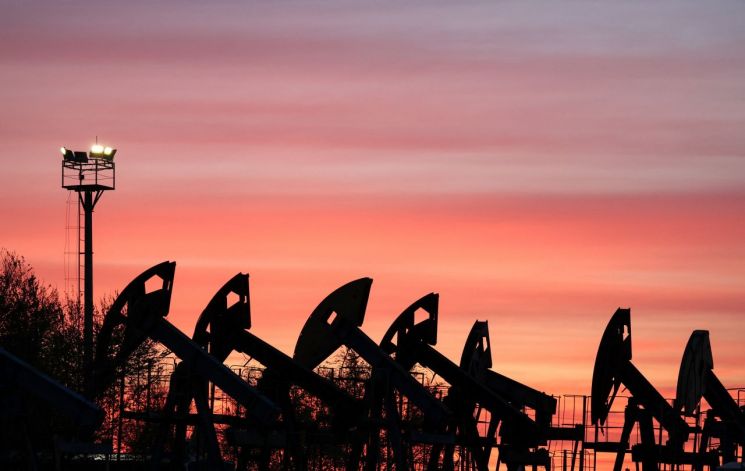
Global Economy Braces for Shock as World Bank Warns of 24% Energy Price Surge Amid Iran Conflict
LONDON — The world economy is on the brink of a fresh inflationary storm as the World Bank warns that energy prices could surge by 24% this year, driven by escalating tensions in the Middle East. In its latest Commodity Markets Outlook report, released on April 28, 2026, the institution paints a grim picture of rising costs across energy, fertilizers and metals, with ripple effects that could stall global growth and deepen debt crises in vulnerable economies.
Dr. Indermit Gill, the World Bank’s Chief Economist, did not mince words: “This conflict is hitting the global economy in three waves—first through energy prices, then through food prices, and finally through persistent inflation. That sequence will push up interest rates, making debt servicing harder for both households and governments.” The warning comes as Brent crude oil prices hover above $86 per barrel, a 50% jump since the start of the year, and fertilizer costs climb by 31%, threatening agricultural stability worldwide.
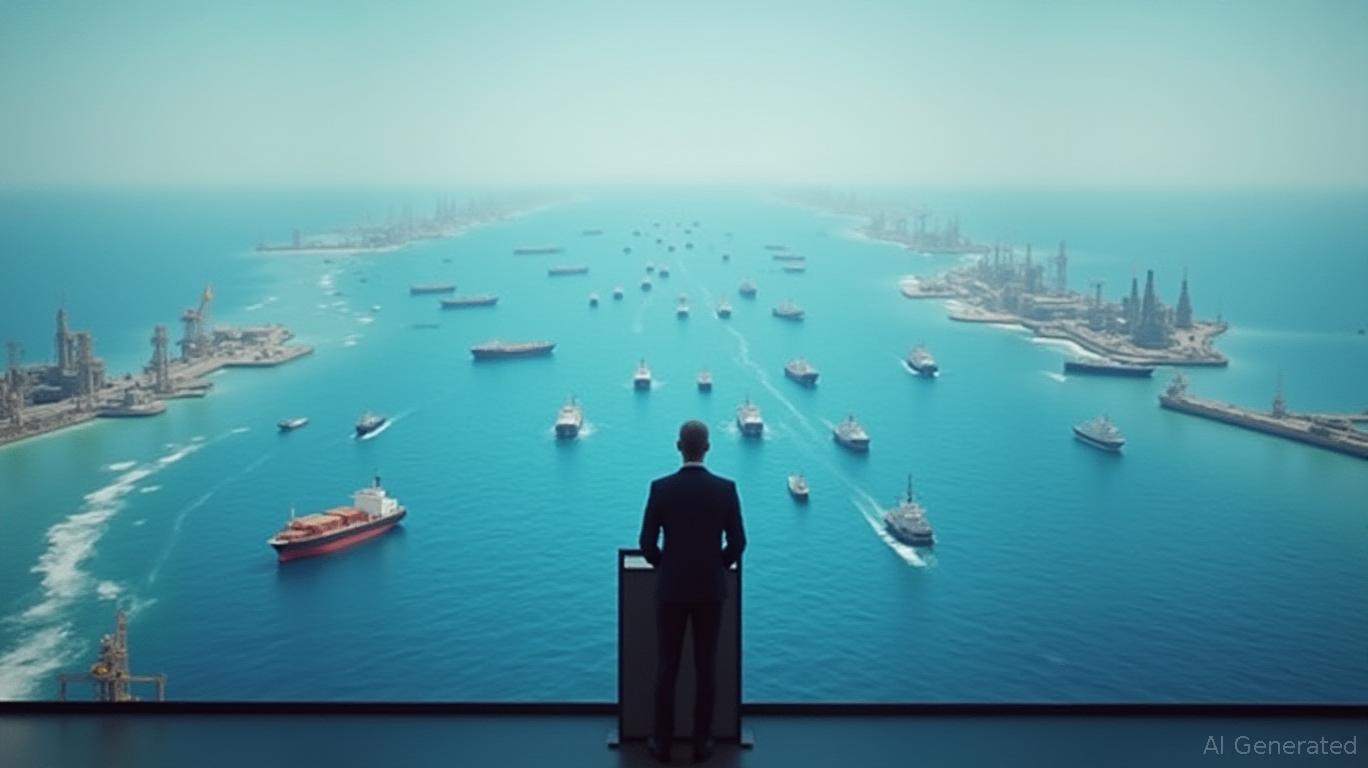
The report attributes the price shocks to disruptions in the Strait of Hormuz, a critical chokepoint that handles 35% of the world’s seaborne oil trade. Attacks on energy infrastructure and shipping disruptions have slashed global oil supply by an estimated 10 million barrels per day, the largest supply shock since the 1973 oil crisis. While the World Bank’s projections assume the worst disruptions will ease by May and shipping lanes will gradually reopen by year-end, the damage to supply chains and inflation expectations may linger far longer.
The Domino Effect: From Oil to Food to Inflation
The World Bank’s report underscores how energy price spikes reverberate across the global economy. Higher oil costs inflate transportation and manufacturing expenses, which in turn drive up the prices of everything from groceries to electronics. Fertilizer prices, already up 60% for key inputs like urea, are set to rise another 31% this year, compounding food security risks in low-income countries. The institution projects that overall commodity prices will climb 16% in 2026, the steepest increase since Russia’s invasion of Ukraine in 2022.
“This isn’t just about oil,” said Gill. “It’s about the entire chain of production. When energy and fertilizer prices spike, food becomes more expensive, and that hits the poorest households the hardest.” The World Bank’s data aligns with warnings from the International Monetary Fund (IMF), which recently flagged rising commodity prices as a key risk to global growth in its April 2026 World Economic Outlook. The IMF projected that inflation in emerging markets could accelerate by 1.5 percentage points this year, eroding real incomes and straining central banks already grappling with high interest rates.
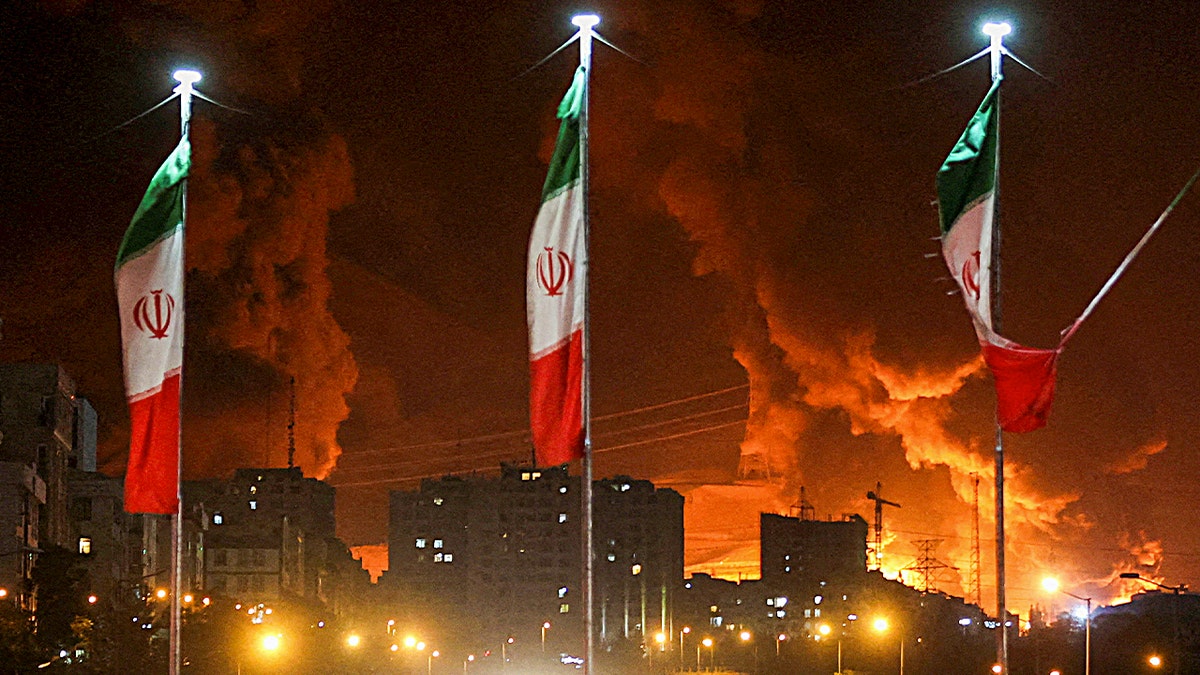
For consumers, the impact is already visible. In the United States, gasoline prices have climbed to $4.20 per gallon, up from $3.10 at the start of the year, while European households face record-high electricity bills. In India, where fuel subsidies were recently cut, diesel prices have surged by 18% in three months, pushing up the cost of public transportation and agricultural production. The World Bank’s report notes that “the poorest countries, which spend a larger share of their income on food and energy, will bear the brunt of these price increases.”
Central Banks Caught in a Bind
The energy shock arrives at a precarious moment for monetary policy. Central banks in the U.S., Europe, and Japan have spent the past two years battling inflation, raising interest rates to levels not seen since the early 2000s. The World Bank’s warning suggests that these efforts could be undermined by external shocks, forcing policymakers to choose between taming inflation and supporting economic growth.
“If energy prices stay elevated, central banks may have no choice but to preserve rates higher for longer,” said Agustín Carstens, General Manager of the Bank for International Settlements (BIS), in a recent speech. “That would unhurried down investment, hurt job creation, and increase the risk of a recession.” The World Bank’s report echoes this concern, noting that “persistent inflation could lead to a prolonged period of stagflation—high inflation combined with stagnant growth—a scenario last seen in the 1970s.”
Emerging markets are particularly vulnerable. Countries like Pakistan, Egypt, and Sri Lanka, which are already struggling with debt crises, could see their borrowing costs spike further if global interest rates remain high. The World Bank estimates that developing economies will need to refinance $440 billion in external debt this year, a task made harder by a stronger U.S. Dollar and tighter financial conditions. “For these countries, the choice is stark: cut spending on health and education to service debt, or risk default,” said Gill.
Geopolitical Risks Cloud the Outlook
The World Bank’s projections hinge on two critical assumptions: that the most severe disruptions in the Strait of Hormuz will end by May, and that shipping volumes will gradually return to pre-conflict levels by the end of 2026. However, geopolitical analysts warn that these assumptions may be overly optimistic. The conflict between Iran and its regional adversaries shows no signs of de-escalation, and retaliatory strikes on energy infrastructure could prolong the supply shock.
“The risk of miscalculation is high,” said Joost Hiltermann, Program Director for the Middle East and North Africa at the International Crisis Group. “If Iran or its proxies target Saudi or Emirati oil facilities, or if Israel expands its military operations, we could see a much larger and more prolonged disruption.” Such a scenario would push oil prices well above $100 per barrel, the World Bank warns, triggering a full-blown global recession.
Energy markets are already pricing in these risks. Futures contracts for Brent crude show traders expect prices to remain above $90 per barrel through 2027, a level last seen during the 2008 financial crisis. Meanwhile, gold prices—a traditional safe-haven asset—have surged to record highs, reflecting investor anxiety about geopolitical instability and inflation.
What Comes Next?
The World Bank’s report serves as a stark reminder of the fragility of the global economy in an era of overlapping crises. While the institution’s baseline scenario assumes a gradual easing of tensions, the path to recovery remains uncertain. For now, policymakers, businesses, and households are bracing for a year of higher costs, tighter budgets, and slower growth.
In the coming weeks, all eyes will be on the Strait of Hormuz and the diplomatic efforts to de-escalate the conflict. The World Bank is expected to release an updated Commodity Markets Outlook in July 2026, which will provide a clearer picture of whether the worst of the supply disruptions have passed—or if the global economy is in for a longer, more painful shock.
For readers seeking real-time updates, the World Bank’s Commodity Markets Dashboard offers live data on energy, food, and metal prices, while the IMF’s World Economic Outlook provides quarterly assessments of global growth and inflation risks.
What do you think? Will central banks be forced to raise interest rates further to combat inflation, or will they prioritize growth? Share your thoughts in the comments below, and don’t forget to share this article with colleagues and friends tracking the global economy.
Related reading
- Residential Rental Yields Hit 5%, But Investors Are Ignoring the Numbers: R. Reginis
- Nagashima Ohno & Tsunematsu Internship ES Questions & Answers
- New Zealand Wool Industry Shows Signs of Comeback Amid Oil Prices (time.news)
- US Intelligence Warns Putin Could Test NATO With Limited Attack (archyworldys.com)