
The relationship between geopolitical tensions in the Middle East and China’s strategic economic objectives has become increasingly significant in 2024 and 2025. As conflicts involving Iran have evolved, analysts have noted potential indirect benefits for China’s long-term goals, particularly regarding energy security and infrastructure influence across Eurasia. Understanding these dynamics requires examining how regional instability intersects with Beijing’s broader vision for global trade and development.
China’s Belt and Road Initiative (BRI), launched in 2013, remains a cornerstone of its foreign economic policy, aiming to enhance connectivity and cooperation between Asia, Europe, and Africa through infrastructure investment. A key aspect of this strategy involves securing reliable energy supplies to fuel China’s growing economy, with Iran historically positioned as a potential partner in this endeavor due to its substantial oil and gas reserves. Though, international sanctions on Iran have complicated direct engagement, creating a complex environment where regional conflicts may inadvertently affect China’s strategic calculations.
Recent developments suggest that prolonged instability involving Iran could influence global energy markets in ways that align with certain Chinese objectives. For instance, disruptions to Iranian oil exports have historically contributed to market volatility, which China has sometimes leveraged to secure energy imports at favorable terms through its strategic reserves and long-term contracting practices. China’s continued investment in alternative energy routes and partnerships with other Gulf states demonstrates a adaptive approach to mitigating risks associated with over-reliance on any single supplier.
The situation also highlights the delicate balance China maintains in its foreign policy, advocating for peaceful resolution of conflicts while pursuing economic interests that may be indirectly affected by regional unrest. As of early 2025, China has consistently called for dialogue and de-escalation in Middle Eastern tensions through diplomatic channels, emphasizing its preference for stability that supports predictable trade and investment environments. This stance reflects Beijing’s broader interest in a secure global system that facilitates the operation of initiatives like the BRI.
Energy Security Dimensions of China’s Iran Policy
China’s approach to Iran has been shaped significantly by its need for diversified energy sources to support industrial growth and urbanization. Despite Western sanctions limiting formal cooperation, China has maintained a level of engagement with Iran that underscores the strategic importance of the relationship. Official Chinese customs data indicates that crude oil imports from Iran, while subject to fluctuation due to geopolitical pressures, have remained a component of China’s energy mix, particularly when waivers or informal arrangements have been in effect.

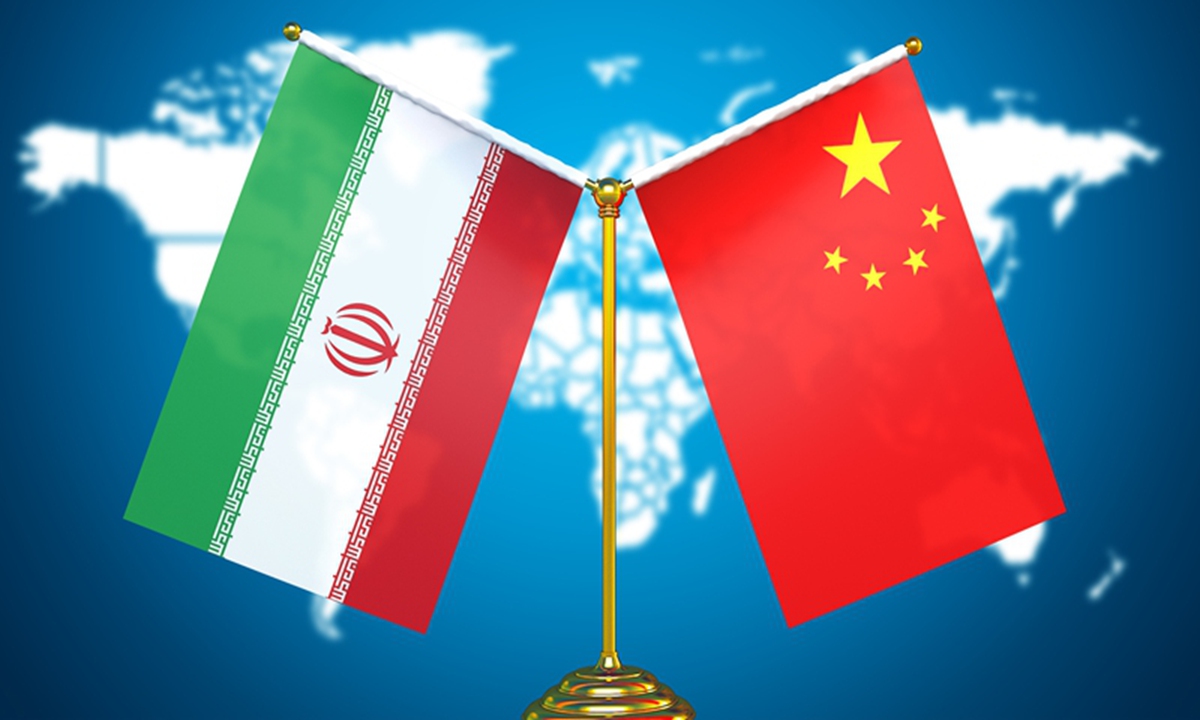
In 2023 and early 2024, reports from international energy agencies noted that China continued to be one of the few major importers of Iranian oil, often utilizing complex financial and logistical mechanisms to navigate sanctions regimes. This persistence highlights how energy security considerations can override other diplomatic concerns in China’s calculations, especially when alternative supplies are perceived as less reliable or more costly. The ability to access Iranian hydrocarbons, even indirectly, provides China with leverage in negotiations with other suppliers and contributes to its overall energy resilience.
China’s investments in energy infrastructure beyond Iran—such as pipeline projects in Central Asia and liquefied natural gas (LNG) agreements with Qatar and Australia—demonstrate a comprehensive strategy to reduce vulnerability to supply disruptions. These efforts are part of a broader national policy aimed at ensuring that energy imports remain stable enough to support economic targets, even amid external shocks. The interplay between these various initiatives shows how China seeks to balance opportunistic engagement with long-term risk management.
Geopolitical Implications of Regional Conflict
The potential for wider conflict involving Iran carries implications that extend beyond immediate energy markets, touching on China’s interests in regional stability and connectivity projects. For example, instability in the Strait of Hormuz—a critical chokepoint for global oil shipments—could disrupt not only energy flows but also maritime trade routes that are vital to the success of BRI-linked port developments in countries like Oman and the United Arab Emirates. China has invested significantly in such infrastructure, viewing it as essential to enhancing trade efficiency between Asia and Europe.
China’s diplomatic relations with both Iran and Saudi Arabia have evolved in recent years, culminating in a Beijing-brokered agreement to restore diplomatic ties between the two regional powers in 2023. This initiative underscored China’s growing role as a mediator in Middle Eastern affairs and reflected its interest in preventing conflicts that could jeopardize its economic investments and strategic partnerships across the region. The durability of such détente remains subject to ongoing tensions, but it represents a tangible example of China leveraging its diplomatic capital to foster conditions conducive to its economic objectives.
From a security perspective, China has generally avoided direct military involvement in Middle Eastern conflicts, instead focusing on economic diplomacy and multilateral engagement through platforms like the Shanghai Cooperation Organisation. This approach allows China to advocate for peace and stability without becoming entangled in regional rivalries, thereby preserving its relationships with multiple stakeholders. As tensions fluctuate, China’s consistent emphasis on negotiation and development cooperation continues to shape its interactions with all parties involved.
Assessing the Strategic Outlook
Evaluating whether current geopolitical dynamics involving Iran advance specific Chinese objectives requires careful analysis of both immediate effects and long-term trends. While short-term market disruptions may create opportunities for tactical advantages in energy procurement, sustained instability poses risks to the broader environment necessary for successful implementation of large-scale infrastructure projects like those under the BRI. China’s leadership has repeatedly stressed that predictable, peaceful conditions are optimal for fostering the international cooperation its global initiatives depend on.

Looking ahead, factors such as the potential evolution of sanctions regimes, shifts in global energy demand, and the progress of diplomatic efforts to manage regional tensions will all influence how China navigates its Iran-related interests. Observers note that Beijing appears to be pursuing a dual-track strategy: maintaining channels for practical engagement where beneficial, while simultaneously promoting regional dialogue to reduce the likelihood of conflicts that could undermine its wider goals. This balanced approach reflects the complexity of advancing national interests in an interconnected and often volatile world.
For stakeholders monitoring these developments, key areas to watch include official Chinese statements on Middle Eastern policy, energy import data from customs authorities, and updates on BRI-related projects in neighboring countries. Official sources such as the Ministry of Foreign Affairs of the People’s Republic of China and the National Energy Administration provide authoritative information on policy positions and energy statistics, while reputable international institutions like the International Energy Agency offer independent assessments of global market trends that contextualize China’s role.
As the situation continues to evolve, the intersection of regional security and economic strategy will remain a critical aspect of understanding China’s foreign policy calculations. The ability to adapt to changing circumstances while advancing core objectives like those embodied in the Belt and Road Initiative will likely determine the effectiveness of Beijing’s approach to managing opportunities and challenges arising from Middle Eastern dynamics.
Worth a look